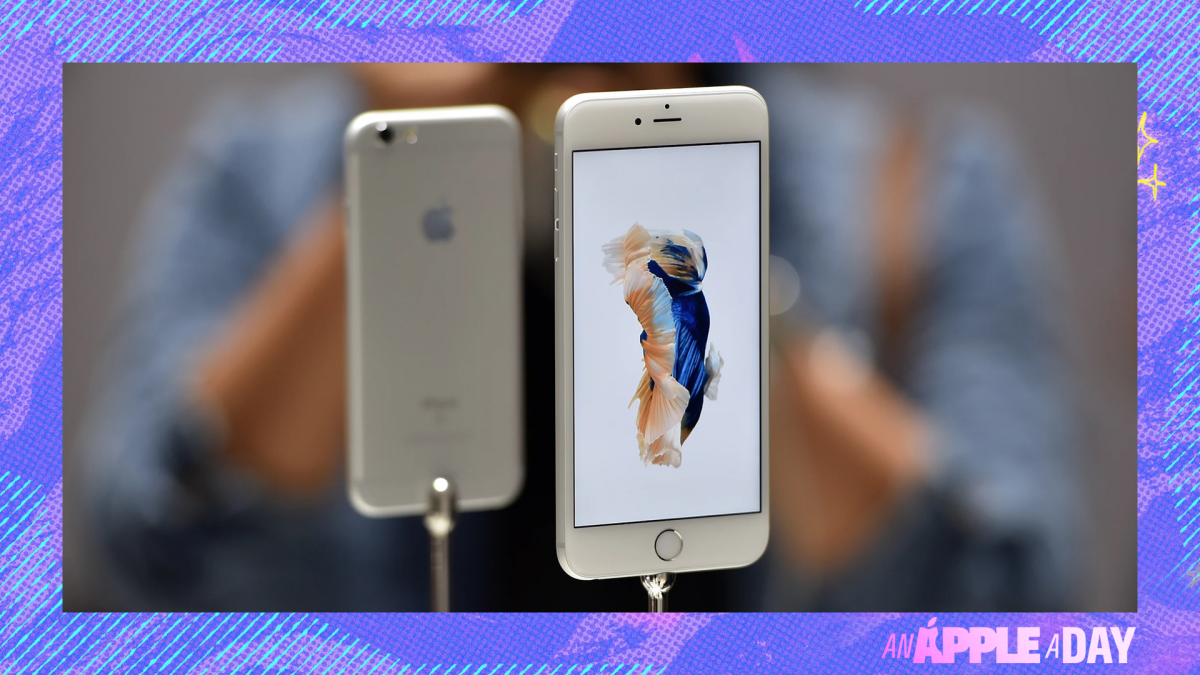
In September 2017, tech observers questioned whether Apple’s innovation had stalled, particularly when comparing the newly released iPhone 8, 8 Plus, and iPhone X to the iPhone 6S from two years prior. One Mashable writer argued that the 6S represented the pinnacle of iPhone design, citing its compact dimensions, lightweight construction, functional Touch ID button, and retained headphone jack as key advantages over newer models.
The debate extended beyond that single device to a broader purchasing principle: older iPhone models often deliver superior value. A phone from the previous generation or two typically maintains excellent functionality at a substantially lower price point and can reliably serve users for years. This logic remains compelling today, though examining the claim more critically reveals fundamental flaws in declaring the 6S as the ultimate iPhone.
Modern iPhones demonstrate tangible improvements in essential areas like battery performance and camera quality that extend far beyond aesthetic updates. The 6S’s 12-megapixel rear camera and 5-megapixel front camera appear inadequate compared to contemporary smartphone photography. Face ID technology, initially questioned as a Touch ID replacement, successfully enabled larger displays and became industry standard. When comparing the 6S directly to current models, the device feels outdated and underpowered.
As Apple prepares to introduce foldable iPhone technology, consumers will likely revisit similar arguments about whether established models outperform new innovations. While budget-conscious buyers may reasonably choose older flagships, dismissing generational advances overlooks measurable improvements in core functionality that accumulate significantly over time.
Originally reported by Mashable →
About the Author