
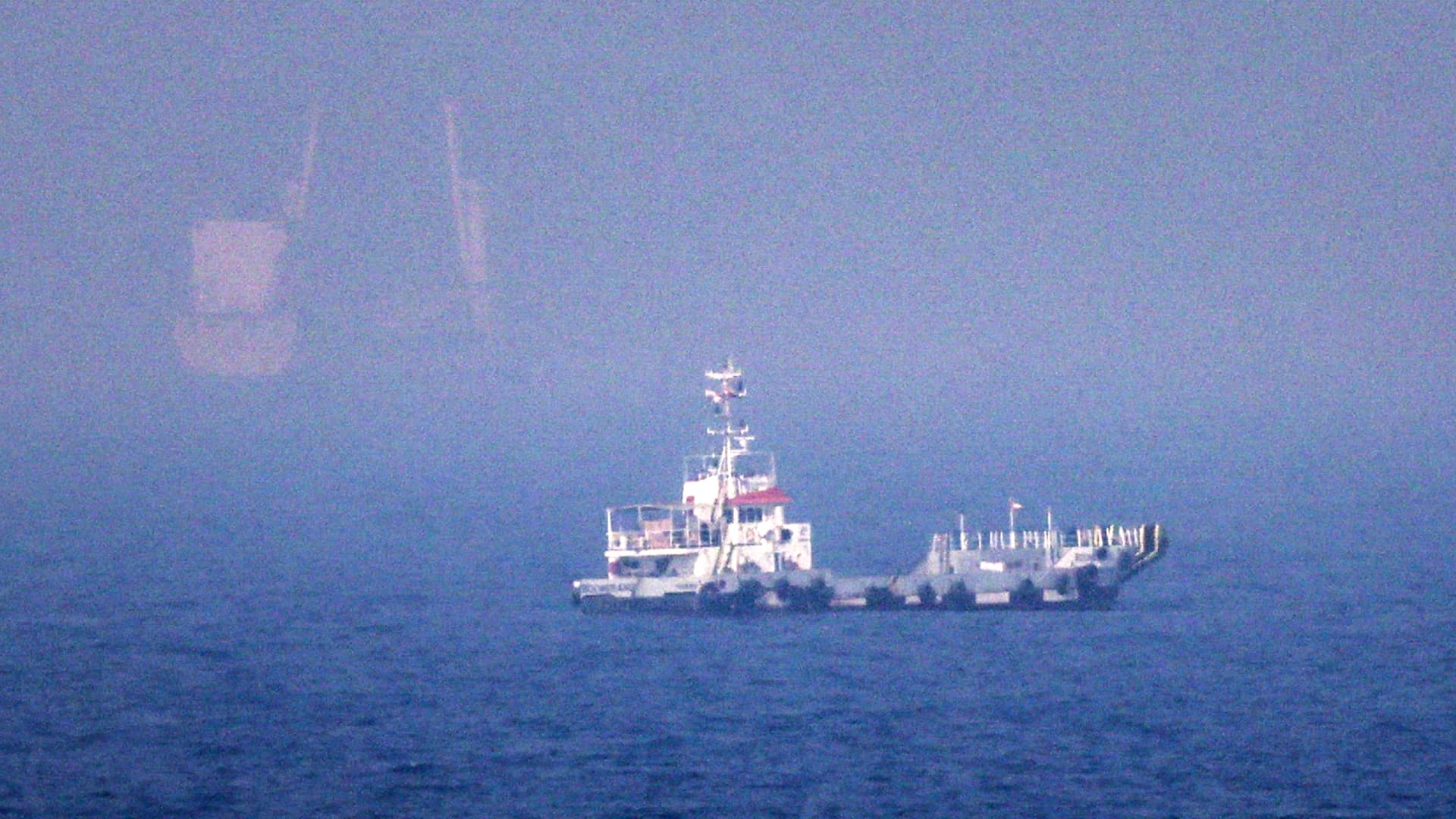
The United States military has intensified its maritime enforcement in the Persian Gulf, redirecting a cumulative 55 commercial vessels away from Iranian ports as of Sunday, compared to 35 just over a week prior. American naval forces have also disabled two ships and boarded two others to ensure compliance with the blockade. The escalating enforcement efforts reflect the continued deadlock between Washington and Tehran over reopening the Strait of Hormuz, a waterway that typically handles roughly one-quarter of global seaborne oil shipments and one-fifth of liquefied natural gas trade before the conflict began in February.
Diplomatic negotiations remain stalled despite mediation efforts. Iran’s Foreign Minister stated that talks cannot resume while the U.S. maintains what Tehran views as violations of a June memorandum of understanding, demanding the blockade be lifted along with sanctions relief, troop withdrawal, war reparations, and the release of frozen assets. Meanwhile, President Trump indicated a strategy of allowing economic pressure to mount on Iran rather than pursuing immediate military action, citing the country’s currency depreciation and inflation as leverage in the standoff.
Continued violence compounds the deadlock. Iranian military strikes on vessels in the Strait of Hormuz and Houthi militia attacks in the Red Sea have deterred shipping through both maritime routes. Shipping crossings through the strait plummeted to eight confirmed transits last Friday, representing a 33 percent decline from the previous day. Experts warn that hardening positions and deepening mistrust between the adversaries risk renewed deterioration despite recent diplomatic progress on separate bilateral agreements.
About the Author