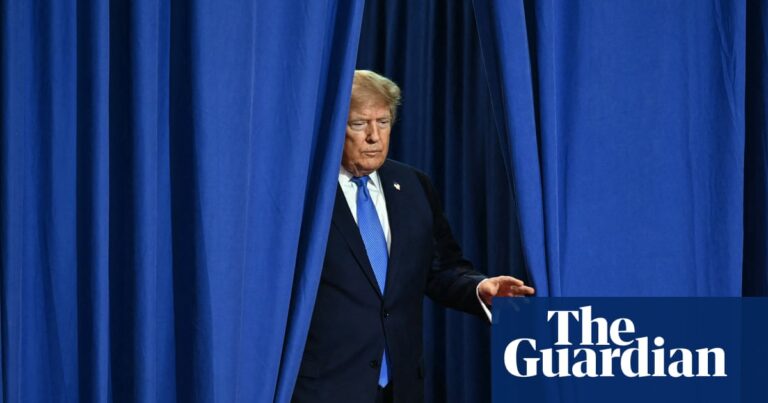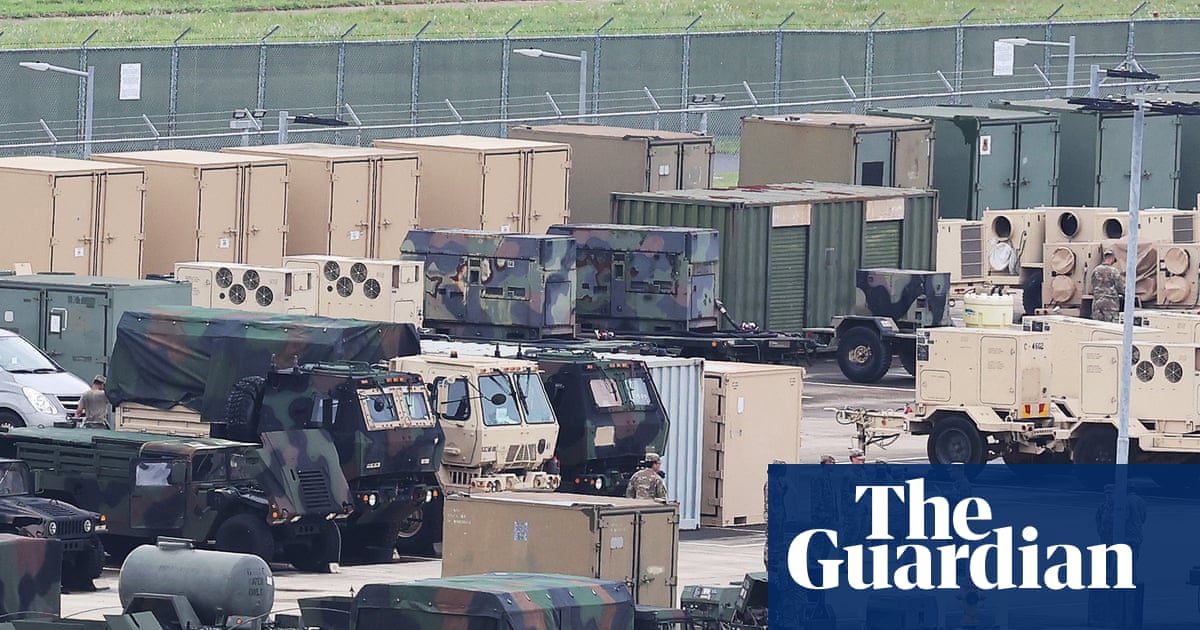
President Trump’s decision to scale back joint military exercises with South Korea has drawn sharp criticism from lawmakers who question the strategic wisdom of the move. The administration abruptly ordered the Pentagon to reduce the Ulchi Freedom Shield drills, a major 11-day training operation scheduled to involve approximately 18,000 South Korean troops practicing responses to missile strikes, drone attacks, and cyber threats. The announcement came just days after North Korea conducted ballistic missile tests, raising concerns about the timing and rationale behind the decision.
Trump justified the order by citing his personal relationship with North Korean leader Kim Jong-Un, characterizing the exercises as inappropriately hostile toward a nation he described as “unthreatening and respectful.” Democratic lawmakers, however, view the decision as misguided appeasement that undermines the 73-year-old alliance between Washington and Seoul. Senator Jack Reed, top Democrat on the Senate Armed Services Committee, condemned the move as an “inane, haphazard decision” that signals to allies and adversaries alike that American security commitments are negotiable.
Beyond concerns about messaging to North Korea, critics warn the decision carries broader geopolitical implications. Some lawmakers argue the reduced exercises weaken the alliance’s ability to respond effectively to crises on the Korean peninsula and embolden Russia’s position in other regional conflicts. The debate highlights tensions between Trump’s diplomatic approach toward North Korea and traditional military deterrence strategies that have underpinned the U.S.-South Korea relationship since the Korean War armistice.
Originally reported by Theguardian →
About the Author