
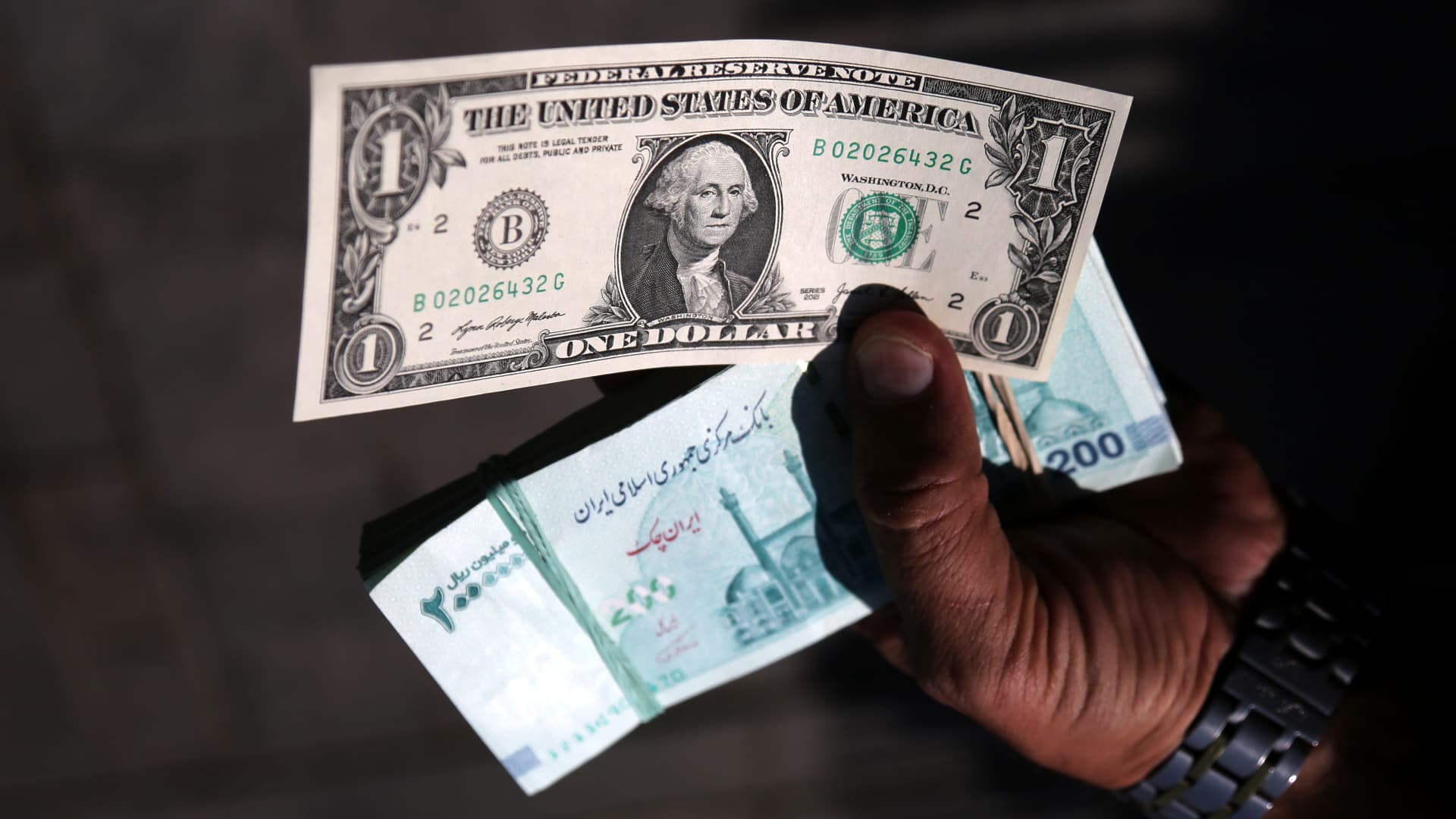
The Trump administration has announced an “economic D-Day” campaign targeting Iran’s remaining trade relationships, threatening sanctions against countries and entities that continue doing business with Tehran. The initiative aims to sever the economic connections that have sustained Iran’s economy through its recent conflict. However, a small group of nations accounts for the vast majority of Iran’s remaining foreign commerce, potentially putting Washington at odds with several significant trading partners.
China represents Iran’s largest trading relationship, purchasing approximately 90 percent of the country’s oil exports through independent refineries that often obscure the origin of crude through intermediaries outside the U.S. dollar system. The bilateral trade relationship exceeded $9 billion in 2025, excluding unreported oil transactions. While Beijing has publicly opposed sanctions against Iran, analysts suggest Chinese institutions will likely comply quietly with new restrictions to maintain their access to U.S. markets and dollar-based financing.
The United Arab Emirates has historically served as a critical trading hub for Iran, with bilateral commerce reaching approximately $28 billion in 2024. However, recent tensions have prompted UAE officials to suspend trade and financial transactions following missile attacks. Turkey and Iraq also maintain substantial commercial relationships with Iran, with Turkish-Iranian trade valued at $5.7 billion in 2024, primarily involving natural gas and manufactured goods.
Enforcement of the sanctions campaign faces significant practical challenges, particularly regarding opacity in financial systems and transshipment networks. Experts note that implementation will require cooperation from these trading partners to effectively isolate Iran from the global economy.
About the Author