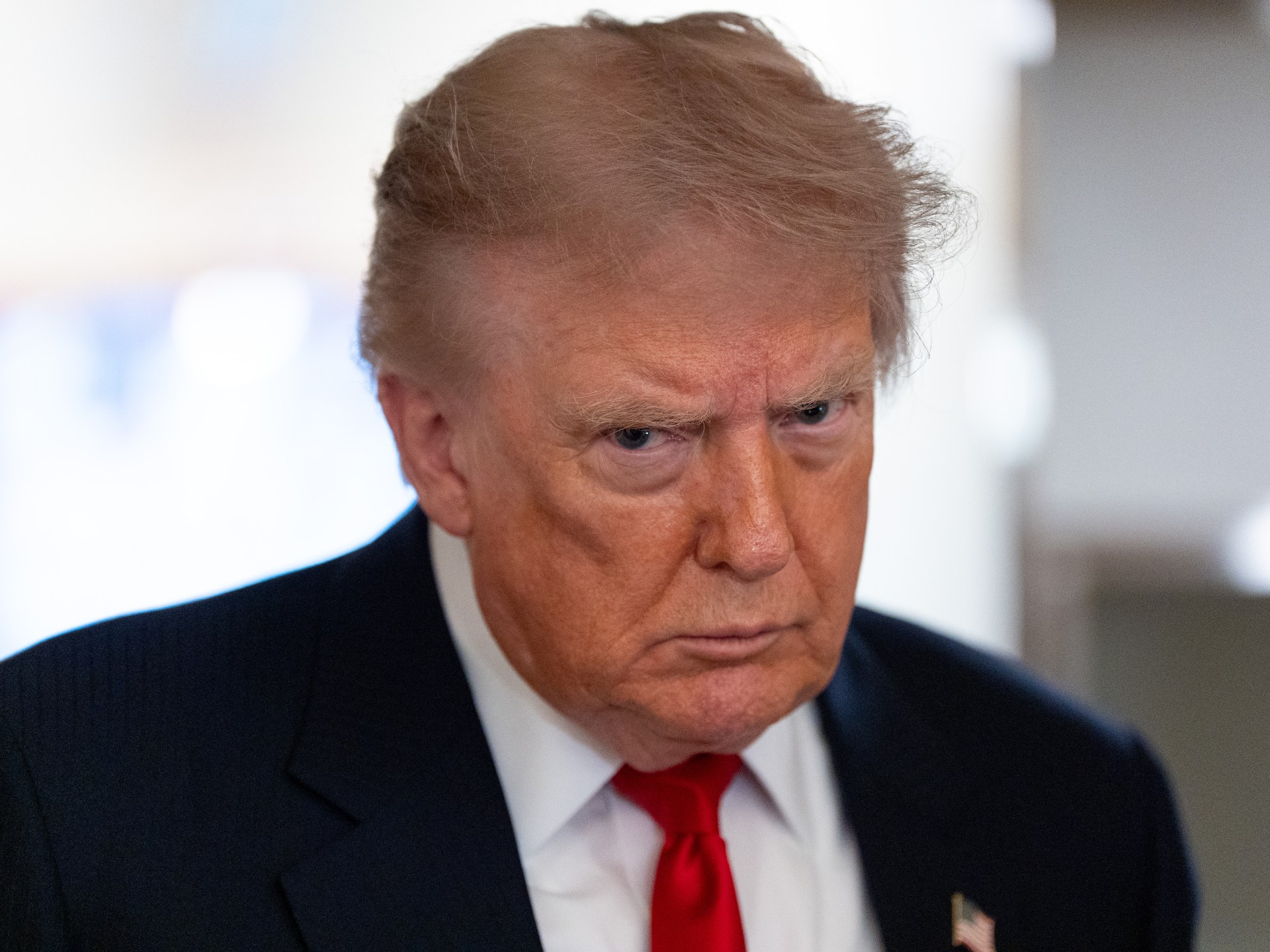
President Donald Trump has directed the Pentagon to significantly reduce military exercises scheduled with South Korea, citing two primary reasons for the decision. The president expressed frustration over Seoul’s unwillingness to participate in American operations against Iran, while simultaneously highlighting his positive relationship with North Korean leader Kim Jong Un. Trump stated on social media that the annual drills are expensive and send an inappropriate message to North Korea, which he characterized as respectful during his tenure.
The Ulchi Freedom Shield exercises, which have taken place annually since 1976, represent a key defensive partnership between Washington and Seoul. This year’s drills were set to involve approximately 28,500 American military personnel and 18,000 South Korean soldiers. The exercises have historically included participation from several allied nations and serve to strengthen coordination between the two countries’ armed forces against potential regional threats.
Trump’s decision to scale back the drills represents a continuation of his previous stance on the matter. During his first term, he similarly criticized the exercises as expensive and provocative following his 2018 summit with Kim Jong Un in Singapore. The current reduction comes as North Korea continues to strengthen military ties with Russia, raising concerns in Seoul about increasingly capable adversaries in the region.
The move reflects broader geopolitical tensions, as observers suggest Trump’s frustration stems partly from international reluctance to support American military actions in Iran. While some South Korean civil groups oppose the drills on grounds they escalate regional tensions, the reduction nonetheless marks a significant shift in American military posture on the peninsula.
Originally reported by Aljazeera →
About the Author