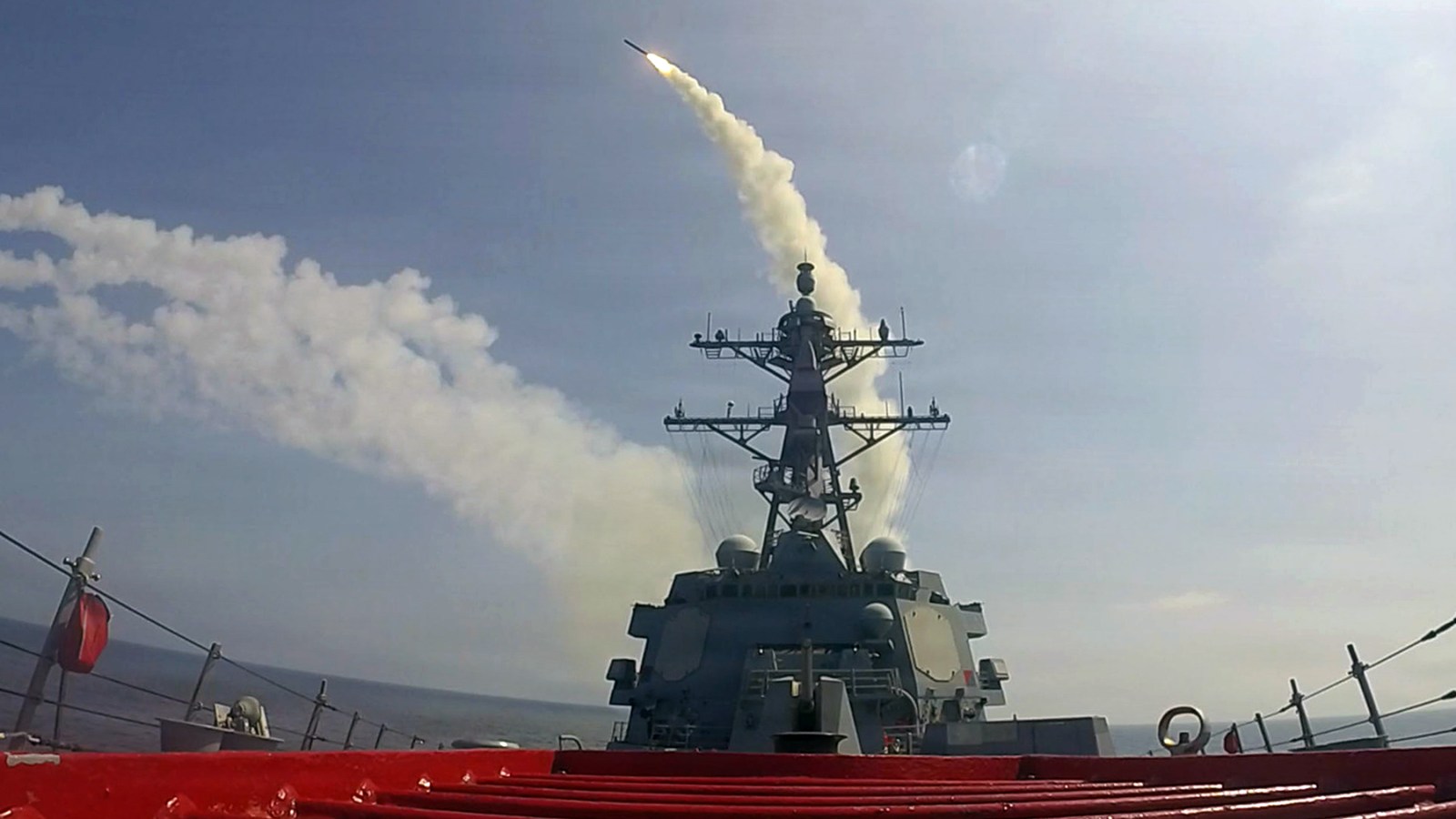
The ongoing military campaign against Iran has depleted America’s arsenal of long-range precision weapons at an alarming rate. According to recent reports, the United States has exhausted nearly all of its ATACMS and Precision Strike Missiles, both expensive systems costing over $1 million each. Additionally, the military has consumed approximately half of its Tomahawk missiles and significant portions of its defensive interceptors, including nearly 80 percent of THAAD systems.
This rapid depletion reflects a broader challenge in modern warfare: the importance of sustained ammunition supply over advanced technology alone. Historically, conflicts have ultimately hinged on which side could produce and deploy weapons in greater quantities. The Ukraine conflict demonstrated this principle when Russian artillery superiority forced Ukrainian forces to carefully ration their munitions early in the war.
As America’s precision missile stockpiles dwindle, the military faces a critical shortage with unclear resupply timelines. Defense contractors remain silent about production capabilities, while Trump administration officials claim abundant supplies are being manufactured at record levels. However, the practical concern looms: without long-range missiles, American pilots will face increased risk flying closer to Iranian defenses to deliver strikes, potentially escalating casualties and transforming the nature of the conflict.
The Pentagon is reportedly seeking unconventional solutions to maintain combat effectiveness as inventories fall critically low, raising questions about the sustainability of current military operations and the true capacity of American defense manufacturing.
Originally reported by Rollingstone →
About the Author