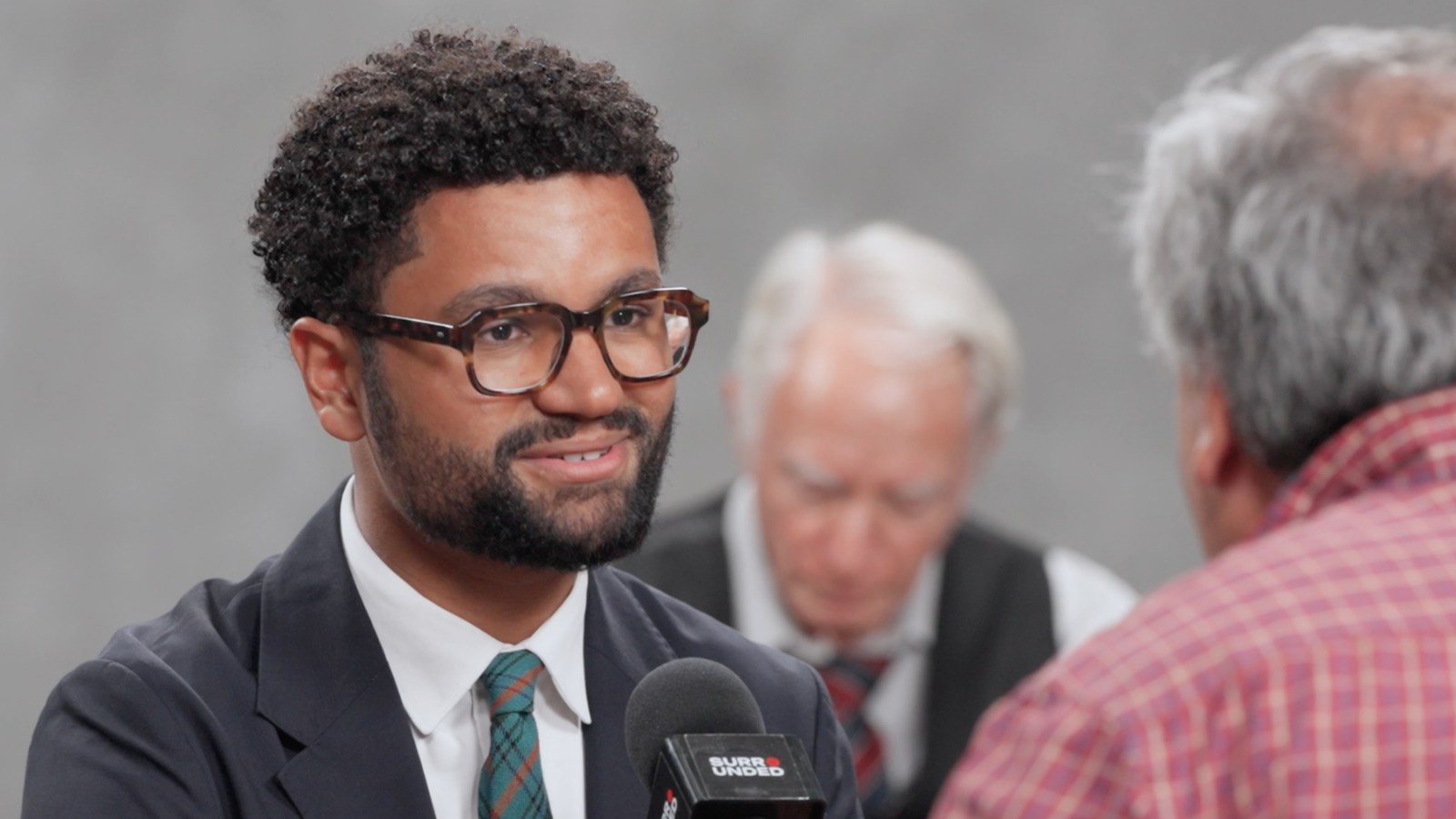
A recent appearance on the YouTube debate series “Surrounded” challenged conventional wisdom about generational conflict. Representative Maxwell Frost participated in a discussion featuring himself and twenty members of the Baby Boomer generation, expecting to defend Gen Z against criticism. While disagreements emerged during the conversation, a more nuanced picture developed as the discussion progressed.
Frost argues that the actual divide does not stem from generational characteristics but rather from economic inequality and institutional policy decisions. Since 1978, wealth concentration among the top one percent has nearly doubled, while the bottom half of Americans control only 2.5 percent of national wealth. This concentration of resources translates directly into control over elections, policy creation, and economic rules that affect everyone else.
Housing and education exemplify this structural problem rather than generational failure. In 1978, median home prices were roughly 3.7 times median household income; today that ratio has climbed to approximately 5 times. Similarly, college tuition has more than tripled when adjusted for inflation. These changes reflect policy decisions about housing markets and education financing, not shifts in work ethic across age groups.
Frost contends that labeling Gen Z as lazy misses the point—the generation pursues multiple jobs and side hustles simply to afford basic necessities. Rather than viewing problems through a generational lens, addressing the underlying economic systems and institutional policies would prove more productive for all age groups facing financial instability.
Originally reported by Rollingstone →
About the Author