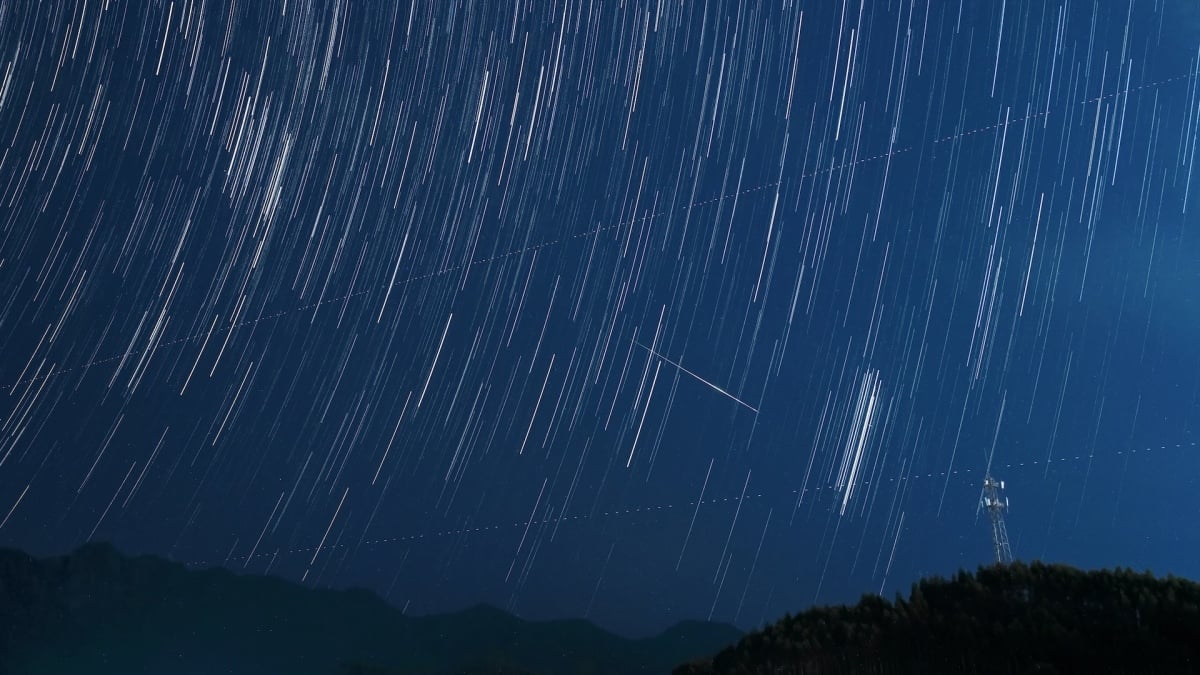
One of the year’s most spectacular celestial events is reaching its climax this week. The Perseid meteor shower, which has been visible throughout late July and early August, will hit its peak during the nights of August 12 and 13. This annual display represents one of the most impressive meteor showers that grace Earth’s night sky each year.
The Perseids occur when our planet travels through a trail of cosmic debris left by comet 109P/Swift-Tuttle. As these rocky particles enter Earth’s atmosphere at tremendous speeds, they ignite and produce the characteristic streaking lights visible from the ground. Occasionally, larger fragments create particularly bright flashes known as fireballs.
To maximize your viewing experience, observers should head outside during the late-night and early-morning hours, ideally traveling away from city lights and urban areas. Finding a location with minimal light pollution allows eyes to fully adapt to darkness, significantly improving visibility. Viewers will benefit from favorable conditions this year, as the meteor shower’s peak coincides with a New Moon phase, meaning moonlight won’t interfere with observing fainter meteors.
Originally reported by Mashable →
About the Author