
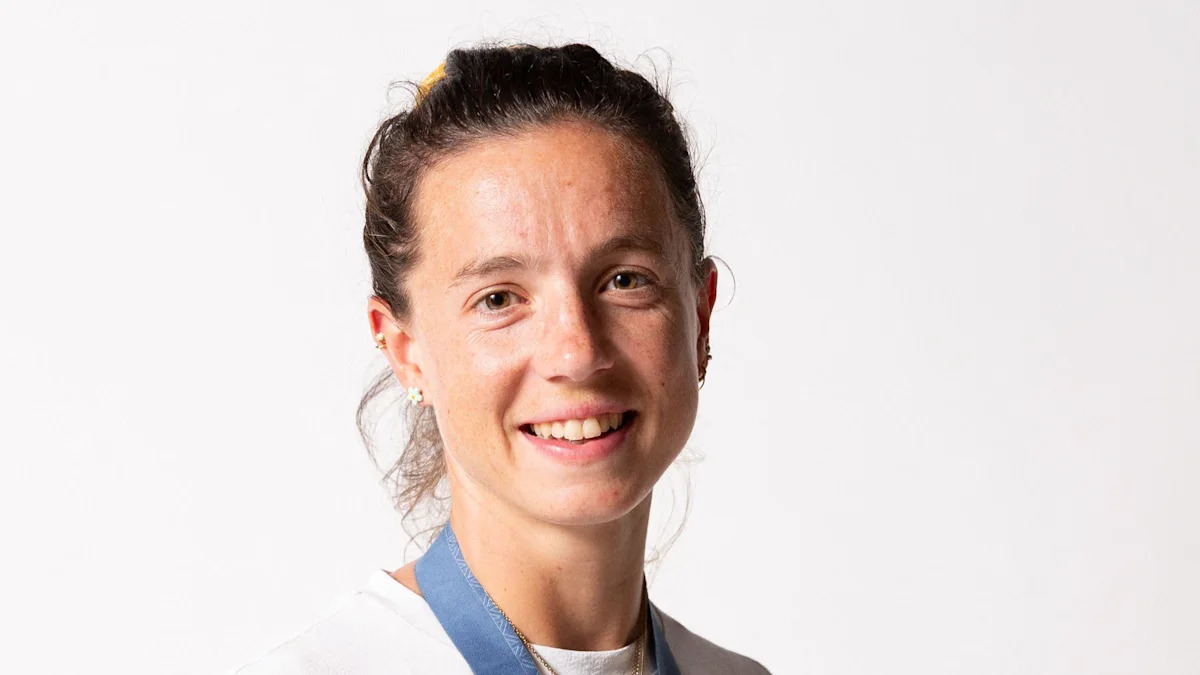
British rower Imogen Grant claimed Olympic gold in Paris in the lightweight category, a discipline that has since been removed from the Olympic program. Rather than retire following her triumph, Grant decided to pursue another Olympic appearance by transitioning to open-weight rowing for the 2028 Los Angeles Games.
The shift presents a significant physical challenge. At 5 feet 6 inches tall, Grant is considerably smaller than typical open-weight competitors, who are often several inches taller and substantially heavier. During her lightweight rowing career, Grant and her partner maintained an average weight of 57 kilograms. Now she must gain muscle and weight while competing against larger athletes. Grant emphasizes that her technical expertise and efficiency, developed through years of elite lightweight competition, provide advantages beyond raw power.
Adding complexity to her transformation is Grant’s commitment to veganism, motivated by environmental concerns. She now consumes approximately 3,500 to 4,000 calories daily while training, sourcing protein from plant-based options including tofu, chickpeas, beans, and vegan supplements. Grant is cautious about overemphasizing her dietary choices, preferring instead to demonstrate through consistent performance that plant-based eating is viable for elite athletes.
Grant’s efforts are yielding results. After returning to full-time rowing, she helped Britain’s women’s quadruple sculls team secure World Cup gold in Lucerne in June. She has been selected for the World Championships in Amsterdam alongside fellow Paris Olympic champions Lola Anderson and Hannah Scott, representing a significant milestone in her comeback attempt.
Originally reported by Sports.yahoo →
About the Author