
“`html
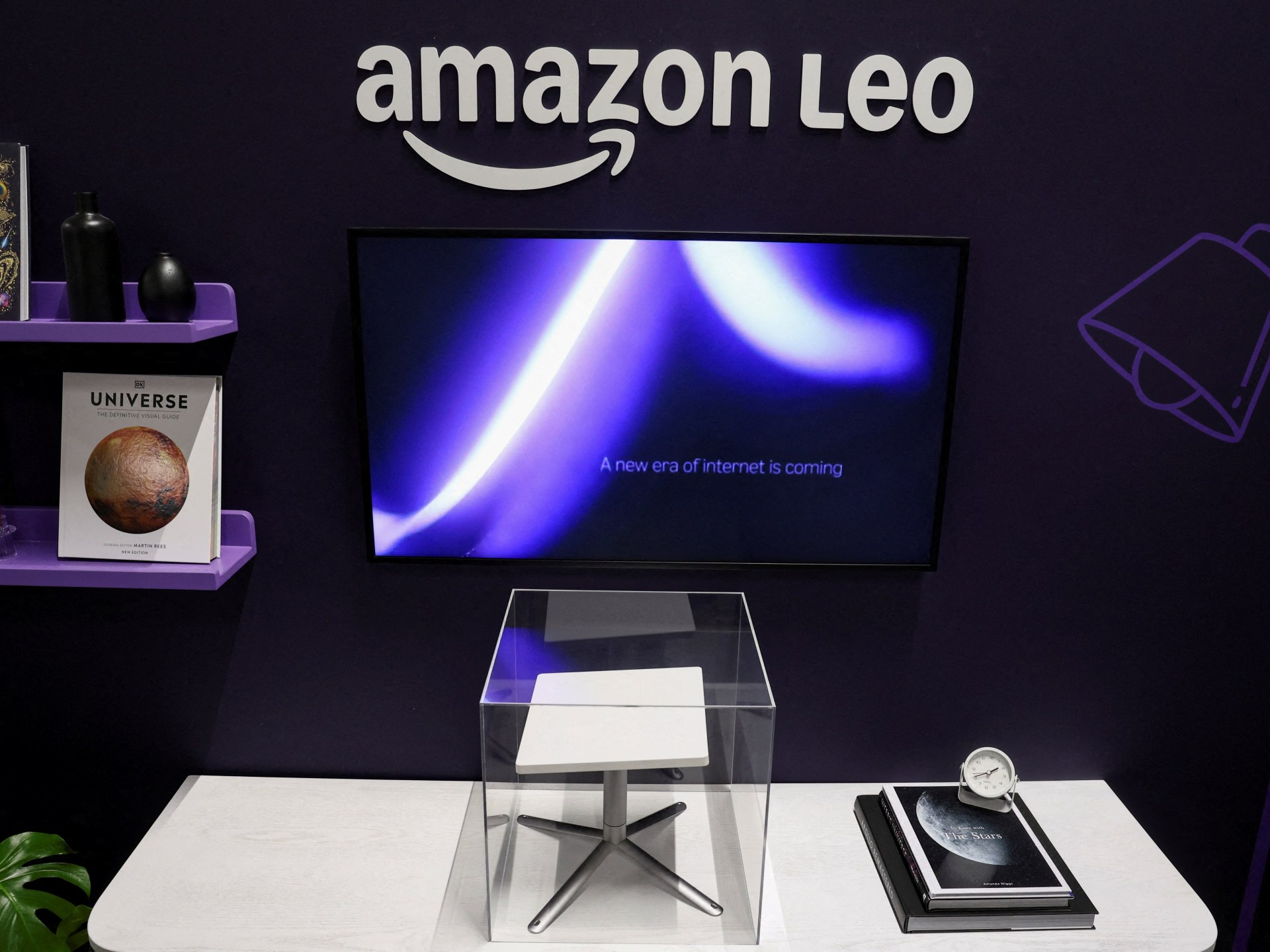
Amazon and SpaceX are racing to expand satellite internet services across Africa, Asia, and Latin America, with Amazon’s Leo service preparing to enter South Africa in 2027 while SpaceX’s Starlink already serves millions worldwide. While these technologies promise connectivity to remote areas where traditional infrastructure proves too expensive, critics warn that developing nations risk trading digital access for economic dependence on foreign corporations.
Satellite internet could bridge a significant gap: approximately 2.2 billion people lack internet access, with 96 percent living in low- and middle-income countries. In Africa, only 36 percent of the population uses the internet, dropping to 21 percent in rural areas. However, affordability remains problematic—fixed broadband costs exceed one-quarter of average monthly income in poorer nations, and satellite providers have demonstrated willingness to raise prices substantially when facing limited competition.
A deeper concern involves the concentration of power in foreign corporations. Amazon and SpaceX maintain deep ties to U.S. national security infrastructure, meaning their networks could extend American strategic influence into economies and institutions across the developing world. History offers cautionary examples: Facebook’s Free Basics service in India and Africa illustrated how corporations can exploit poverty to control what information citizens access, despite regulatory attempts to prevent such gatekeeping.
The Global South must pursue digital inclusion on its own terms, experts argue, ensuring that connectivity benefits communities without surrendering sovereignty over essential infrastructure to private American firms.
“`
Originally reported by Aljazeera →
About the Author