“`html
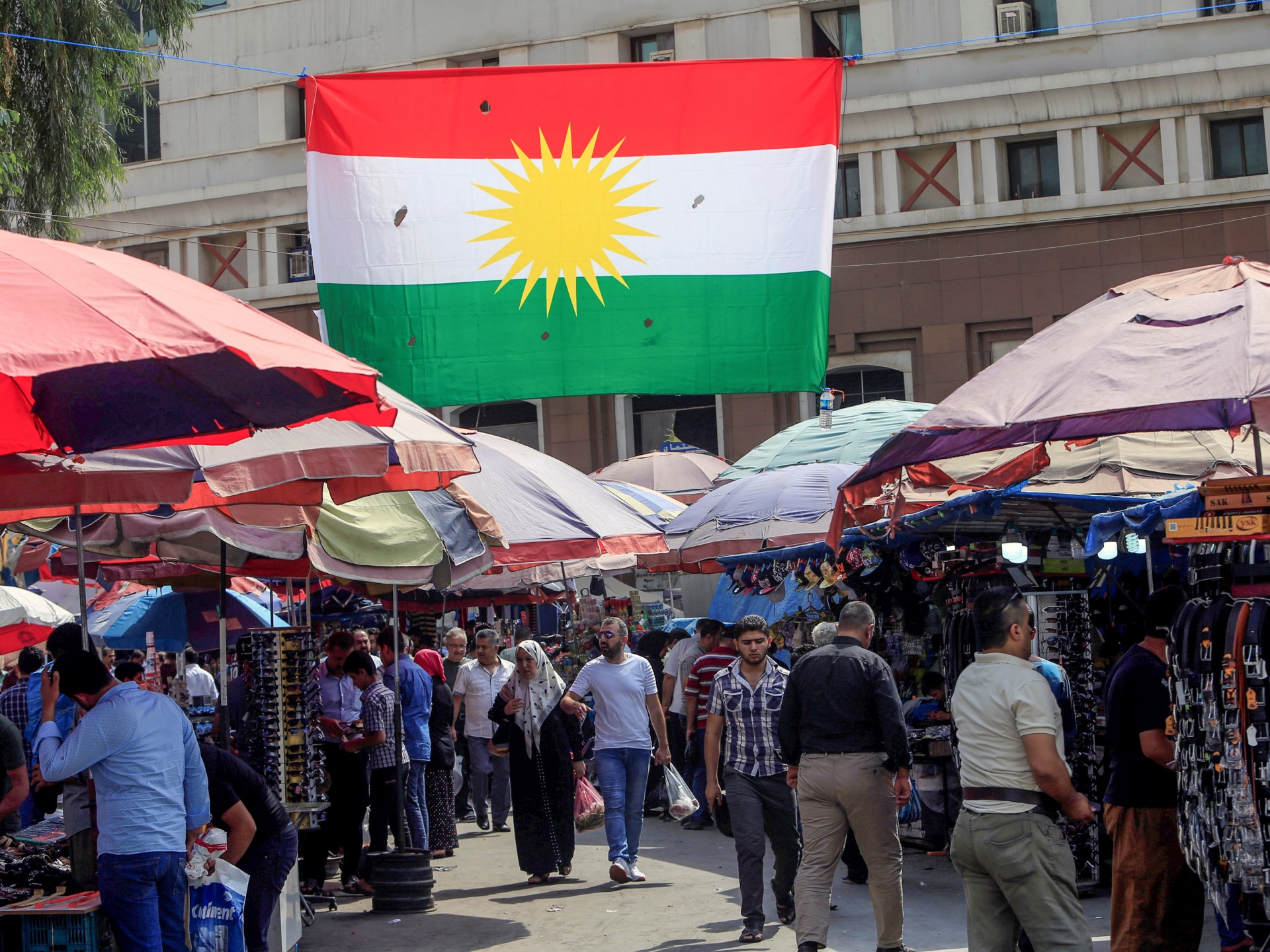
Iraq’s Kurdish region is bearing significant economic and security costs from the prolonged conflict between the United States, Israel, and Iran. According to officials from the Kurdistan Regional Government, the semi-autonomous territory has experienced a dramatic 70 percent reduction in trade activity since the escalation of hostilities began in February.
The Kurdish region has endured over 1,000 direct attacks involving missiles and drones throughout the five-month conflict, despite efforts by local authorities to maintain neutrality. Prime Minister Masrour Barzani emphasized that these strikes have caused casualties, destroyed critical infrastructure, and damaged military installations and civilian areas alike. Government estimates place the financial losses at approximately $1.14 billion through April alone, affecting vital sectors including oil, gas, and foreign investment.
Kurdish officials have identified Iran-backed militia groups as responsible for the attacks, claiming they have provided names of perpetrators to Iraq’s federal government without resulting action. A security expert noted that these armed groups operate outside legal frameworks and ignore commands from Iraq’s military leadership, creating ongoing instability in the region.
The economic devastation compounds existing challenges facing the Kurdish region, which already struggles with a chronic financial crisis rooted in disputes with Baghdad over employee salaries, oil revenues, and resource distribution. Kurdish representatives have repeatedly stressed their non-involvement in the broader conflict and called the attacks violations of Iraqi sovereignty and territorial integrity.
“`
Originally reported by Aljazeera →
About the Author