Finding a laptop with reliable battery life has become increasingly important to consumers, yet running out of power mid-workday remains a common frustration. Recent testing reveals that modern computing devices have made dramatic improvements in this critical area, with some models now achieving unprecedented endurance levels that exceed expectations.
Windows laptops in particular have experienced substantial gains in battery performance over the past two years. Testing data shows a significant shift in capabilities, with the median battery life for current models reaching 18.5 hours compared to just 12.5 hours for 2024 devices—representing a 48 percent improvement. This advancement stems from more efficient processor designs, specifically Qualcomm’s Snapdragon X series and Intel’s Panther Lake chips. Apple’s transition to proprietary M-series processors beginning in 2020 similarly transformed MacBook endurance, with newer models consistently achieving up to 21 hours of runtime.
The substantial improvements in battery longevity result primarily from advances in chip architecture rather than larger batteries. Newer processors consume considerably less power while maintaining performance levels. ARM-based instruction set architecture, utilized by both Qualcomm and Apple chips, proves more power-efficient than traditional x86 designs used in competing processors. These technological improvements now allow users to work throughout entire days without requiring recharging.
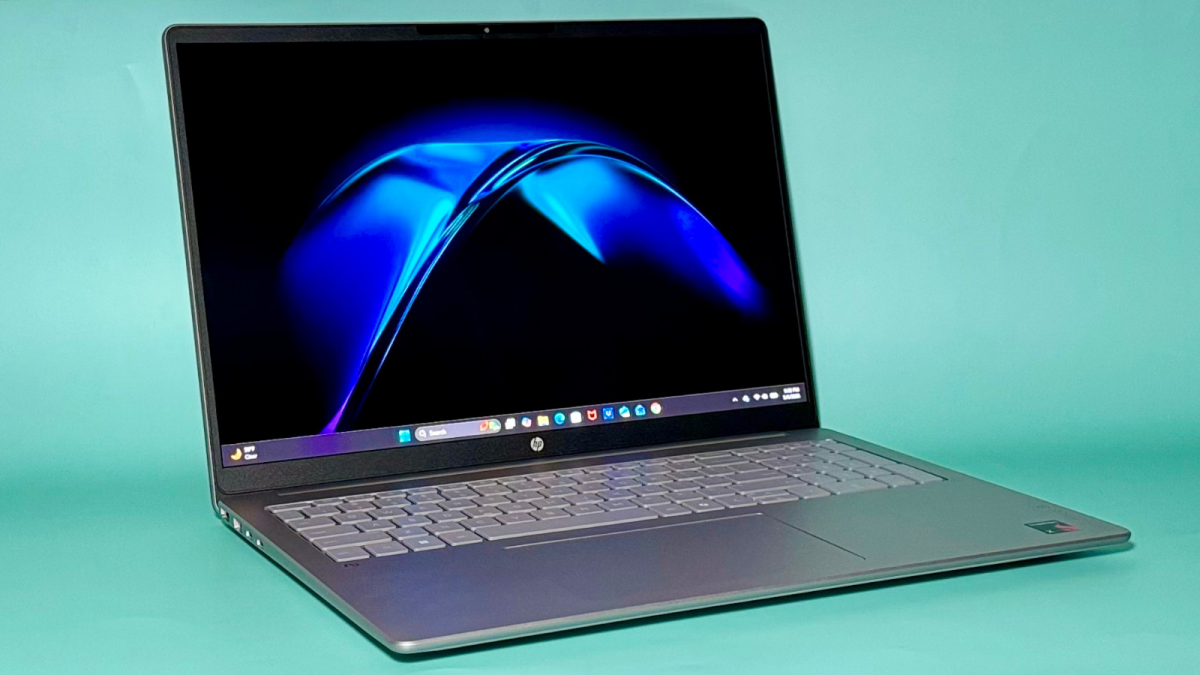
The HP OmniBook 3 16 currently represents the longest-lasting laptop tested, delivering 40 hours and 14 minutes of battery life. This exceptional performance demonstrates how far laptop technology has progressed, essentially doubling the endurance of competing models and establishing new standards for portable computing.
Originally reported by Mashable →
About the Author