
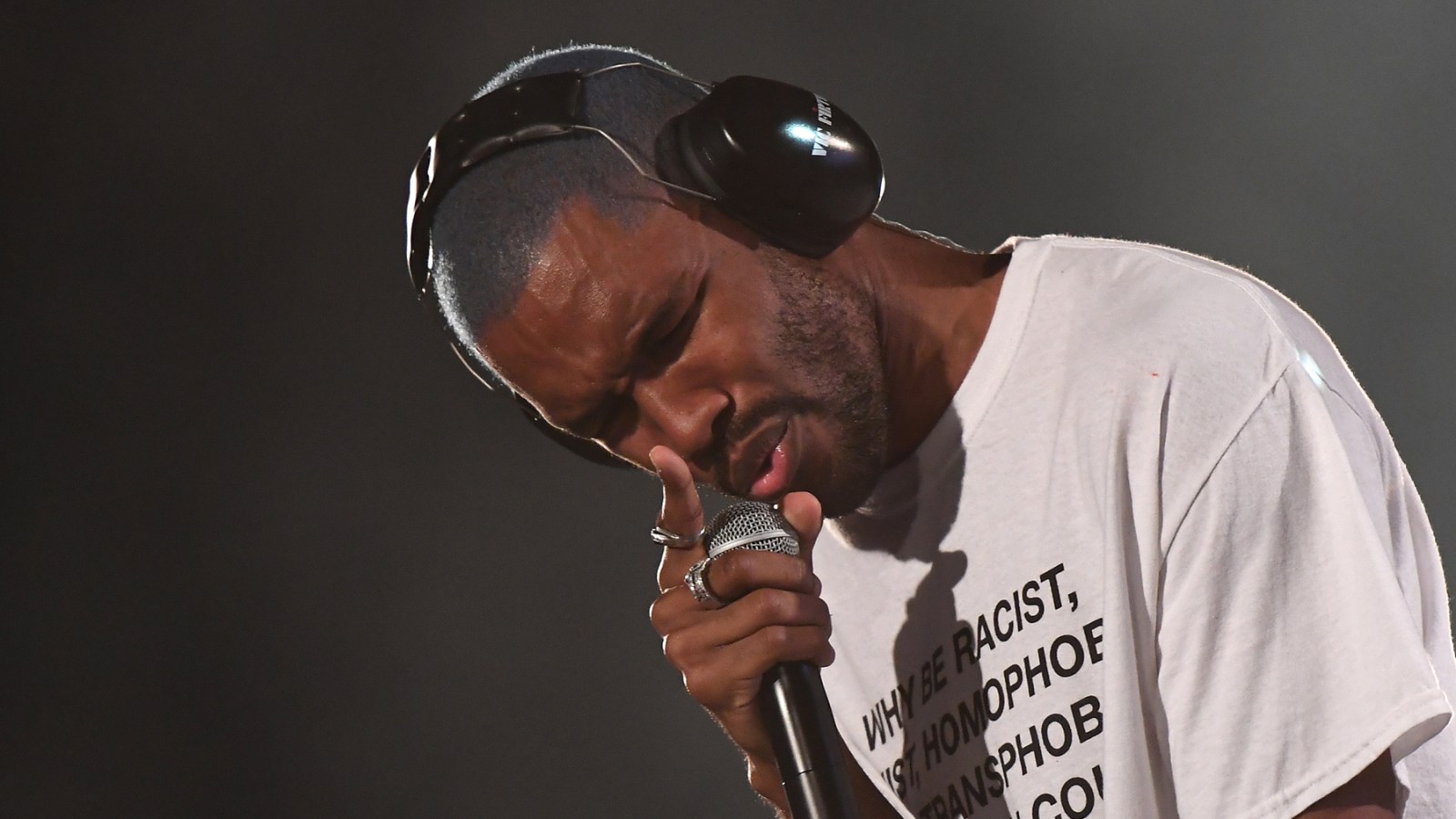
A decade has passed since Frank Ocean released Blonde, the acclaimed album that arrived alongside a short film and limited-edition publication during a pivotal moment in cultural history. The release came just weeks before a major political shift, positioning the work as a time capsule of a now-distant era. Yet despite its specific historical context, Blonde has only grown more emotionally resonant with time, transcending the moment of its creation.
Ocean’s artistic strength lies in his ability to capture feelings that exist outside conventional temporal boundaries. Throughout Blonde, he constructs layered narratives that mirror how memory actually functions—fragmented, overlapping, and subject to reinterpretation. Tracks like “Self Control” and “Nikes” showcase his skill in weaving together contradictory emotions and sonic textures, creating compositions that reveal different meanings to listeners at different life stages. A song heard in youth carries entirely different weight when revisited years later.
The album’s structure deliberately avoids straightforward storytelling, instead presenting what Ocean has described as a collage of competing perspectives and sensations. This fragmented approach has proven essential to its longevity. Individual moments—from the devastating vocal arrangements on “Self Control” to the subtle interruptions scattered throughout—contain entire emotional universes. The work captures human experience with a precision and depth that speaks to the irreplaceable value of artistic expression rooted in genuine feeling and vulnerability.
Originally reported by Rollingstone →
About the Author