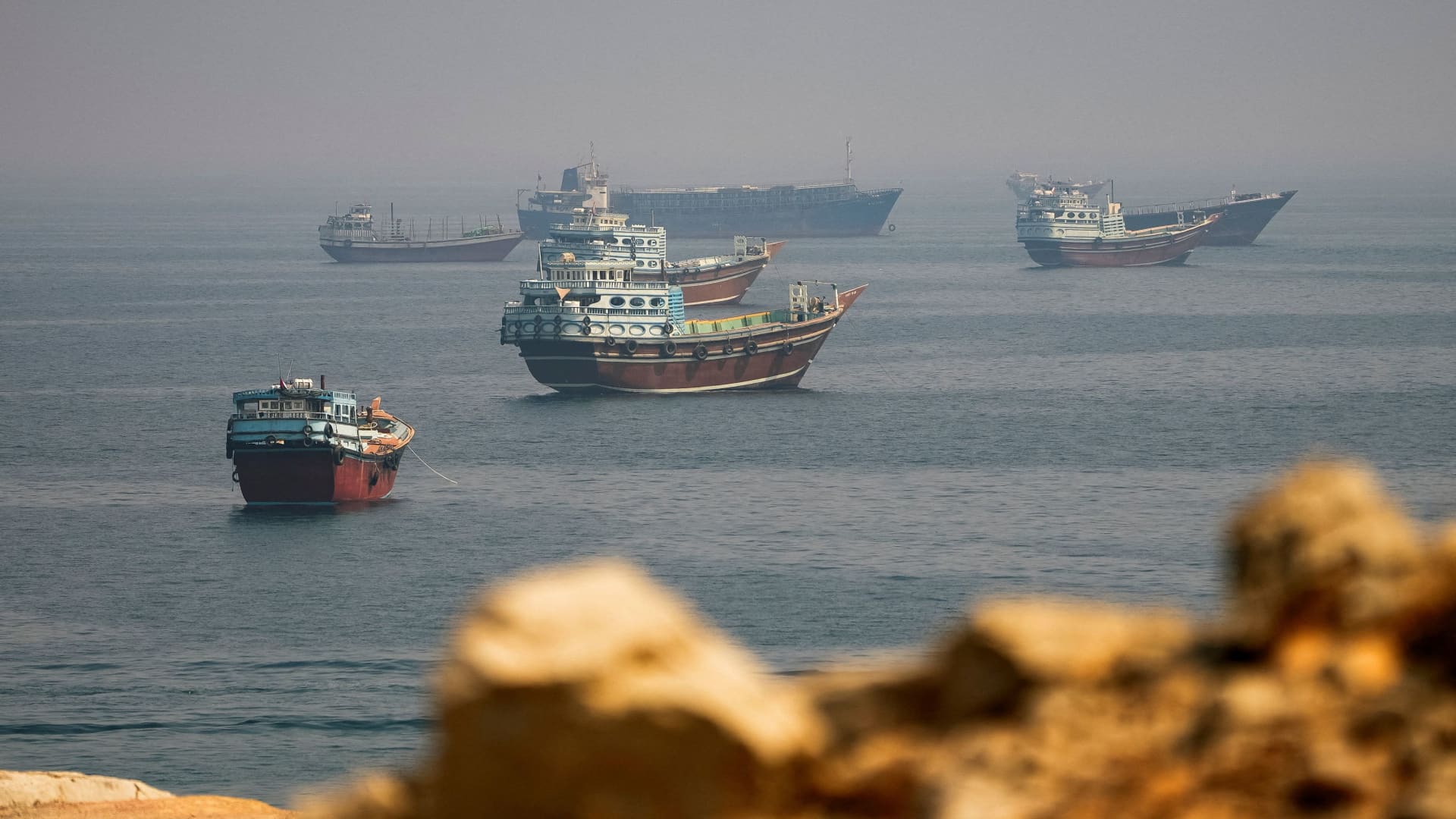
Tensions between the United States and Iran have escalated following a series of military exchanges in the Persian Gulf region. Iran responded to an American strike on Larak Island—which targeted rocket launchers and resulted in three deaths—by attacking two U.S. military bases in Jordan on Monday. The U.S. operation was conducted after intelligence suggested Tehran planned to deploy sea mines throughout the Strait of Hormuz, a critical shipping route.
The confrontation has triggered significant economic repercussions. Oil prices surged as international markets reacted to the renewed hostilities, with Brent crude climbing above $90 per barrel. A merchant vessel was also struck by projectiles while navigating the strategic waterway, though no casualties were reported. These developments underscore the fragility of global energy supplies amid the ongoing conflict.
Despite the tit-for-tat military actions, both nations have suggested restraint. President Trump stated the U.S. would respond forcefully to further Iranian aggression, while Iranian leadership signaled willingness to de-escalate if Washington returned to the interim nuclear agreement reached in June. Analysts characterize the U.S. approach as a measured punishment strategy rather than a broader escalation, with Washington simultaneously imposing economic sanctions designed to weaken Iran’s economy ahead of upcoming midterm elections.
About the Author