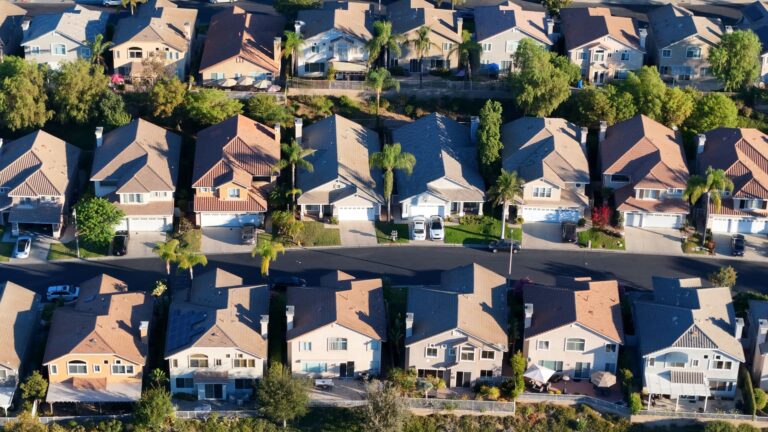
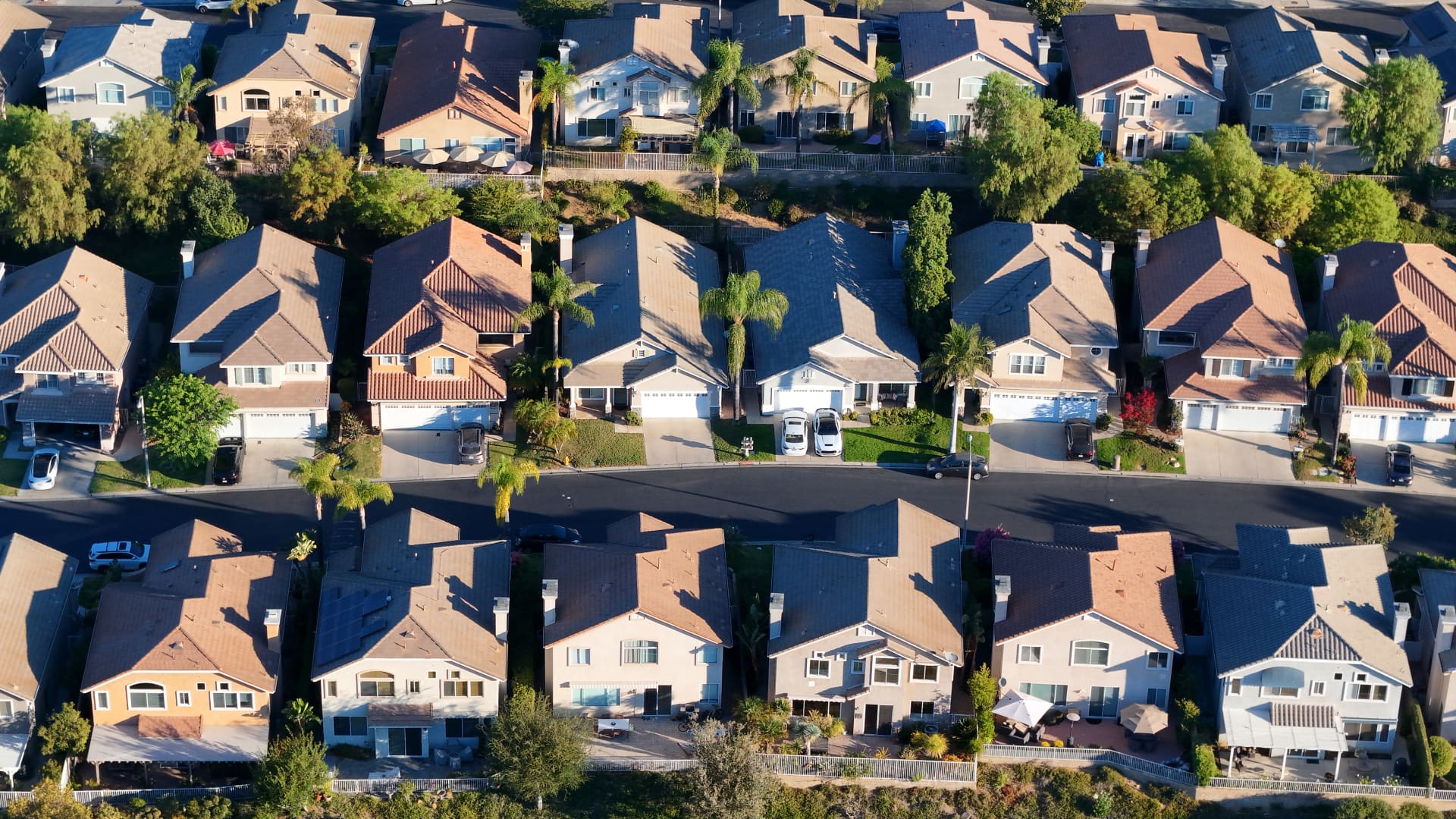
Mortgage rates have climbed to their highest point in over a year, reaching 6.87% for a 30-year fixed loan, as escalating tensions in the Middle East drive oil prices upward. The rate increased by 6 basis points on Monday alone and has risen 12 basis points since Thursday, marking a significant shift from earlier market expectations that predicted declining rates throughout the year.
The surge in mortgage costs directly stems from the Iran conflict and its impact on global energy markets. Higher oil prices push bond yields up, and mortgage rates naturally follow this trajectory. Since late February when the war began, rates have climbed more than 30 basis points, jumping from 5.99% at that time. For prospective homebuyers, this translates into substantially higher monthly payments—approximately $207 more per month for a median-priced home purchase with standard financing terms.
The rising rates compound existing affordability challenges in the housing market. Higher borrowing costs reduce the number of qualified buyers while simultaneously limiting supply, as current homeowners hesitate to sell and lose their historically low mortgage rates. Recent data shows home prices accelerating in some regions, with national prices rising 1.5% year-over-year as of June, reflecting tightening inventory conditions and sustained demand pressure.
About the Author