“`html
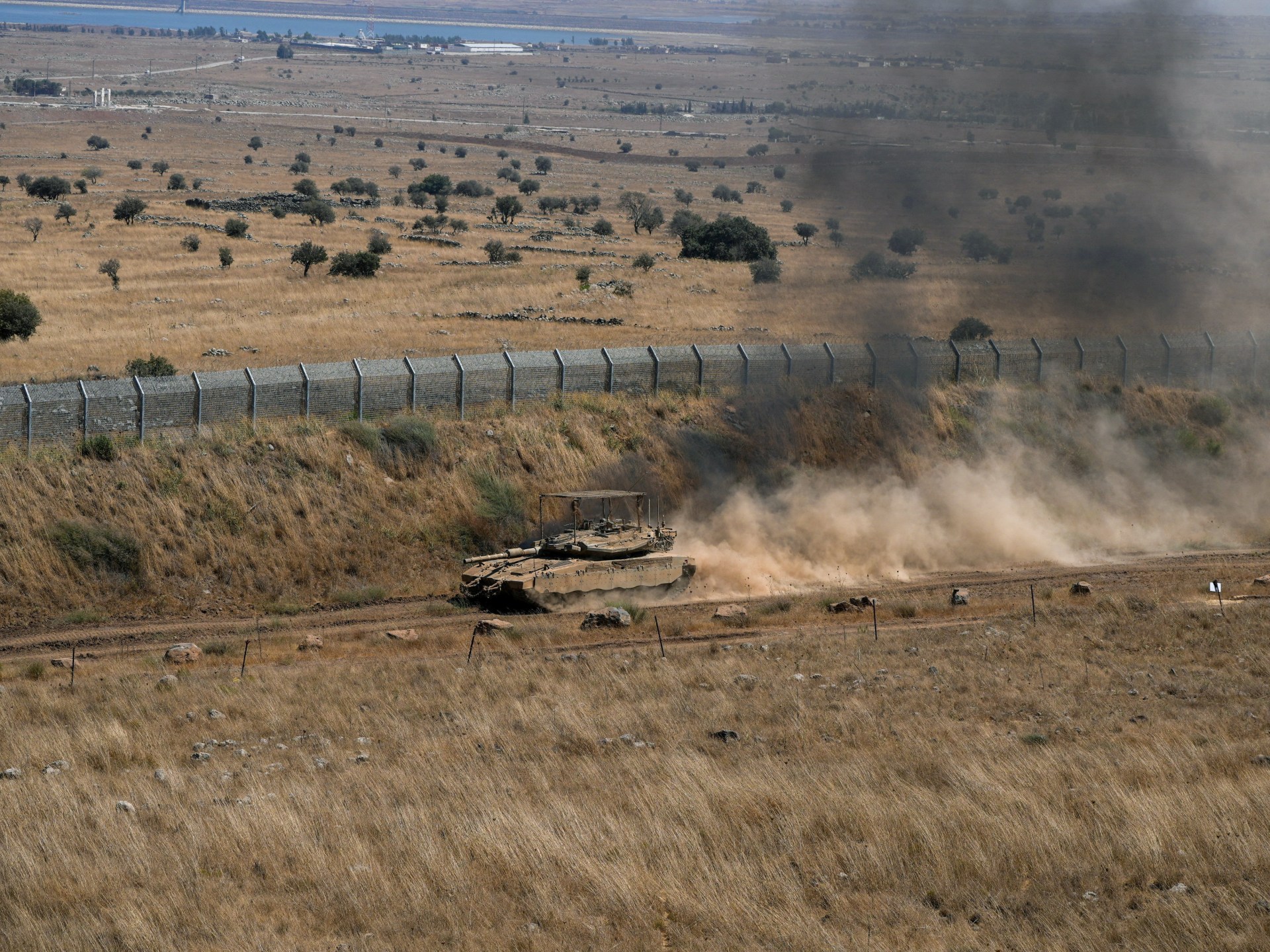
Syria’s measured response to repeated Israeli military strikes presents a complex strategic challenge for Damascus. Recent attacks, including airstrikes on military installations and ground operations in border areas, have continued despite Syrian efforts to pursue diplomatic solutions and calls for restraint from international partners.
The Syrian government under Ahmed al-Sharaa has prioritized state reconstruction over military confrontation, betting that rebuilding institutions and securing international support will ultimately restore national sovereignty. This approach has yielded diplomatic gains, with the United States lifting broad sanctions and removing Syria from its terrorism list, while the European Union has eased economic restrictions. These developments are critical for accessing international investment and banking systems necessary for Syria’s estimated $216 billion reconstruction needs.
However, this strategy carries significant risks. By avoiding military escalation, Syria may inadvertently invite further Israeli encroachment while remaining unable to rebuild its armed forces or determine its own military deployments and alliances. Israel has demanded demilitarization of certain provinces and restricted Syrian cooperation with Turkey, effectively constraining the country’s ability to recover strategic independence. Meanwhile, the Syrian public and broader Arab populations, who view Israel as a primary security threat, may question their government’s passive stance as Israeli operations continue.
Syria faces a difficult balancing act: maintaining international engagement necessary for reconstruction while risking the erosion of state authority and public confidence through prolonged restraint in the face of external military pressure.
“`
Originally reported by Aljazeera →
About the Author