Squid Are Taking Over The Ocean – And Not For The Reason You Might Think
 Making the most of a dire situation.
“`html
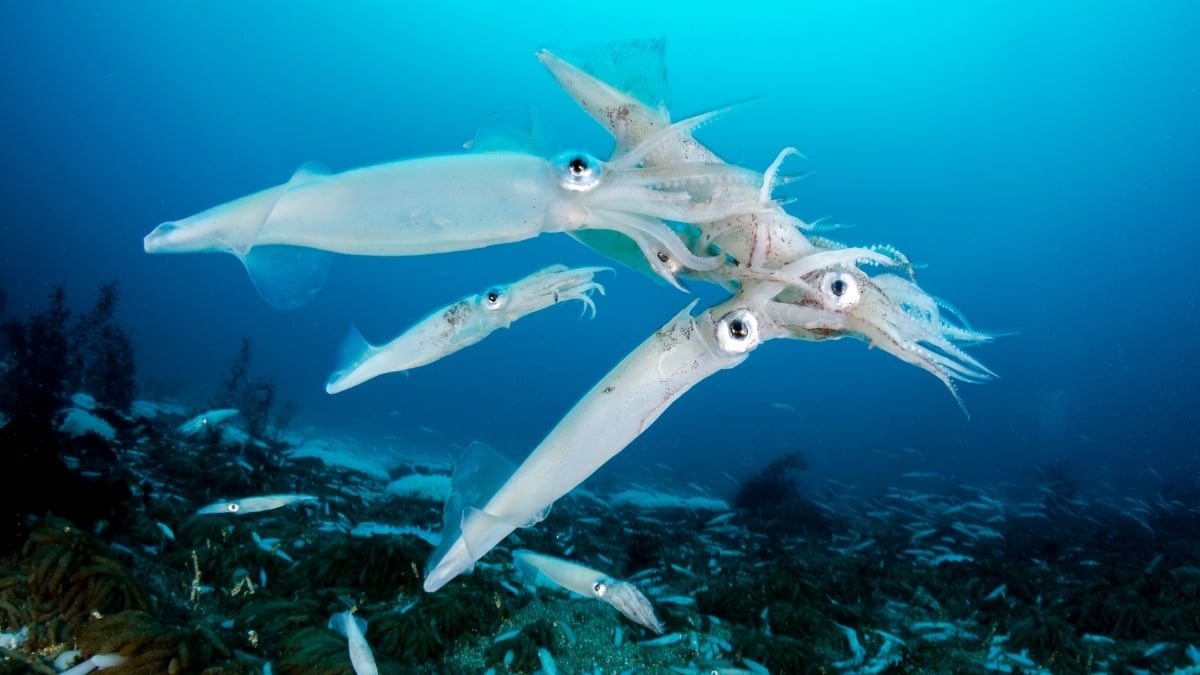
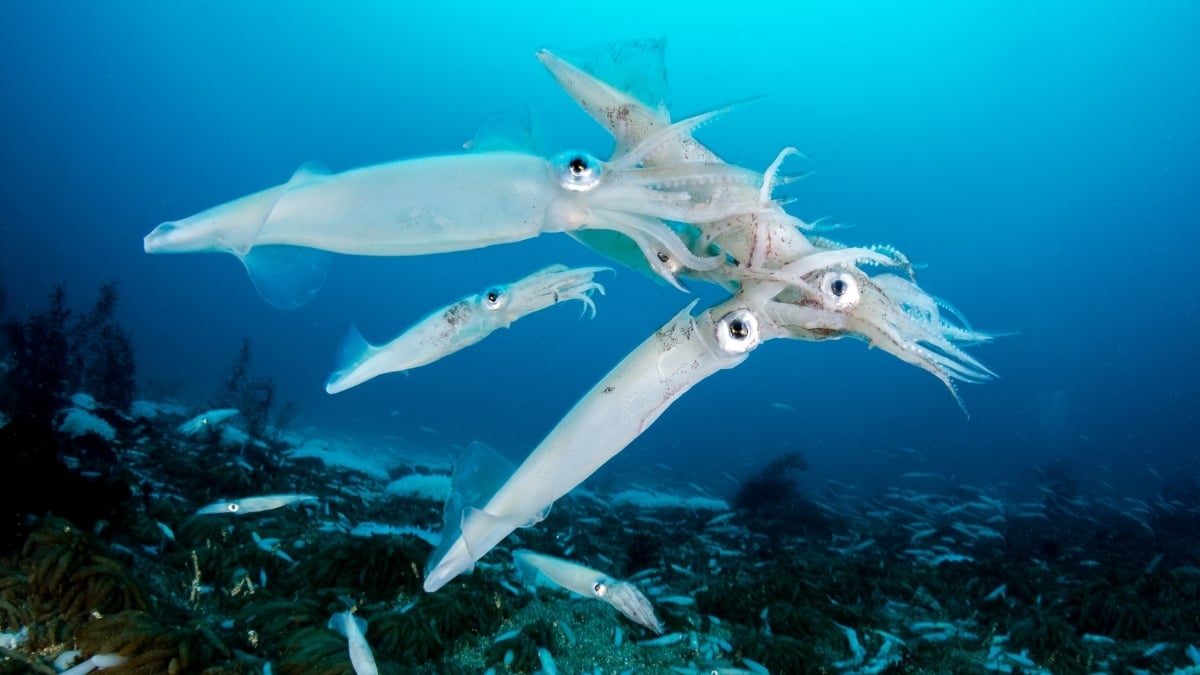
Ocean ecosystems have undergone dramatic transformations over the past century, and one of the most notable shifts involves a surge in squid populations worldwide. While this expansion has coincided with periods of warming waters and intensive fishing practices, researchers caution against assuming a straightforward cause-and-effect relationship.
A 2016 study by University of Adelaide scientists documented rising cephalopod numbers across six decades of data, occurring regardless of whether fishing activity was present in the area. This observation prompted researchers to consider multiple factors: overfished predators that normally control squid numbers, and increased ocean temperatures linked to climate change. However, marine biologist Rémy Denéchère’s team recently challenged these explanations using computer modeling, discovering that the actual mechanisms driving squid proliferation remain poorly understood and more complex than previously theorized.
According to their research, warmer seas actually reduced squid biomass in simulations, potentially because higher temperatures increase the energy expenditure of squid hunting for food. The models indicated that reduced predator populations benefit squid indirectly by leaving more small fish available as food, rather than through direct competition for resources. The researchers suggest squid’s remarkable adaptability—including rapid growth rates five times faster than fish and short lifespans of one to two years—may better explain their expansion in increasingly disturbed ocean environments.
Despite their flexibility, squid face uncertain futures in warming, overfished waters. Scientists warn that when food becomes scarce, rising temperatures may ultimately limit population growth, potentially constraining the very adaptations that have enabled their recent success.
“`
Originally reported by Sciencealert →
About the Author