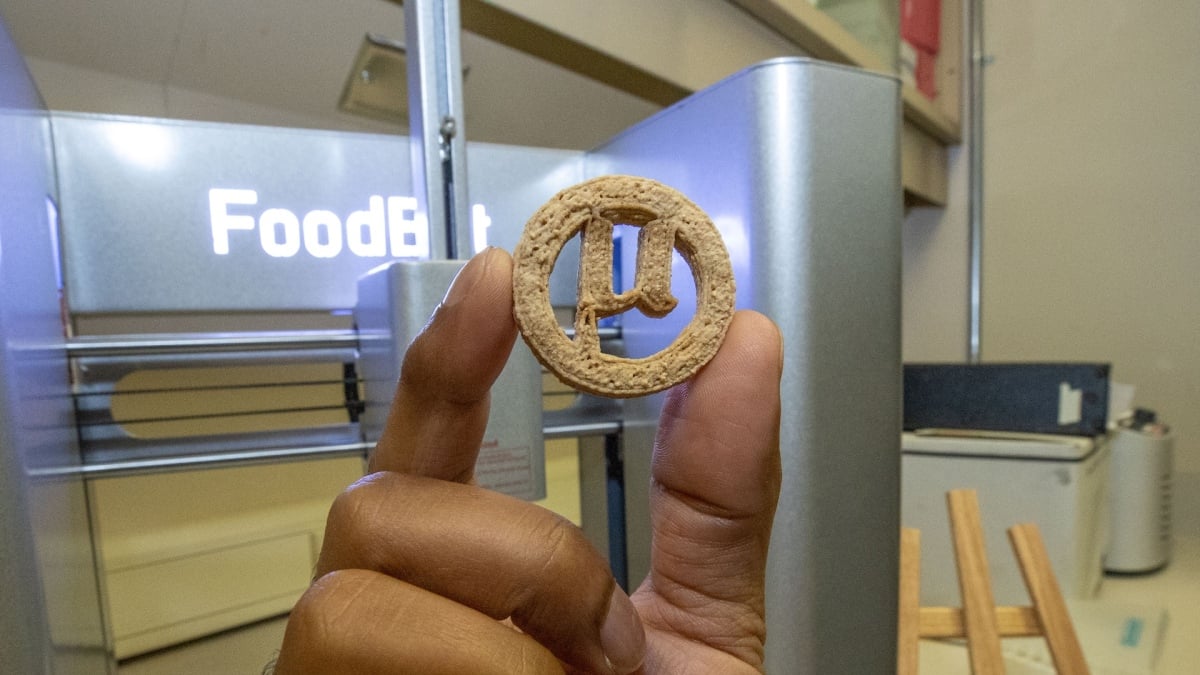
Researchers at Southern Illinois University Carbondale have successfully created edible cookies from recycled PET plastic, presenting a potential dual solution to waste management and food insecurity. The innovative product, called µBites, utilizes genetically modified yeasts to convert plastic waste into nutritious protein-based treats. The breakthrough was unveiled at the American Chemical Society’s Fall 2026 meeting, marking a significant advancement in sustainable food technology.
The production process involves transforming PET plastic and agricultural byproducts through a 32-step conversion method. Scientists first employ oxidative hydrothermal dissolution to break down materials into manageable components, then introduce specialized yeast strains that metabolize these compounds into proteins, vitamins, and flavorings. The resulting mixture is fortified with fiber and sweeteners, then three-dimensionally printed and microwaved into finished cookies. Researchers engineered additional yeast varieties to enhance nutrition and taste, including vanillin for vanilla flavor and beta-carotene for golden coloring and vitamin A content.
The project addresses mounting global challenges, as food demand is projected to increase 35-56 percent by 2050 while hunger affects growing populations. Developers envision µBites serving initially in extreme environments, such as space missions and submarines, before potential commercial distribution. However, regulatory approval for human consumption remains pending, and significant consumer acceptance challenges loom given the psychological barriers surrounding food derived from plastic sources.
Originally reported by Mashable →
About the Author