Scientists Discover a Serious Problem With Sleep Trackers
 Stop obsessing.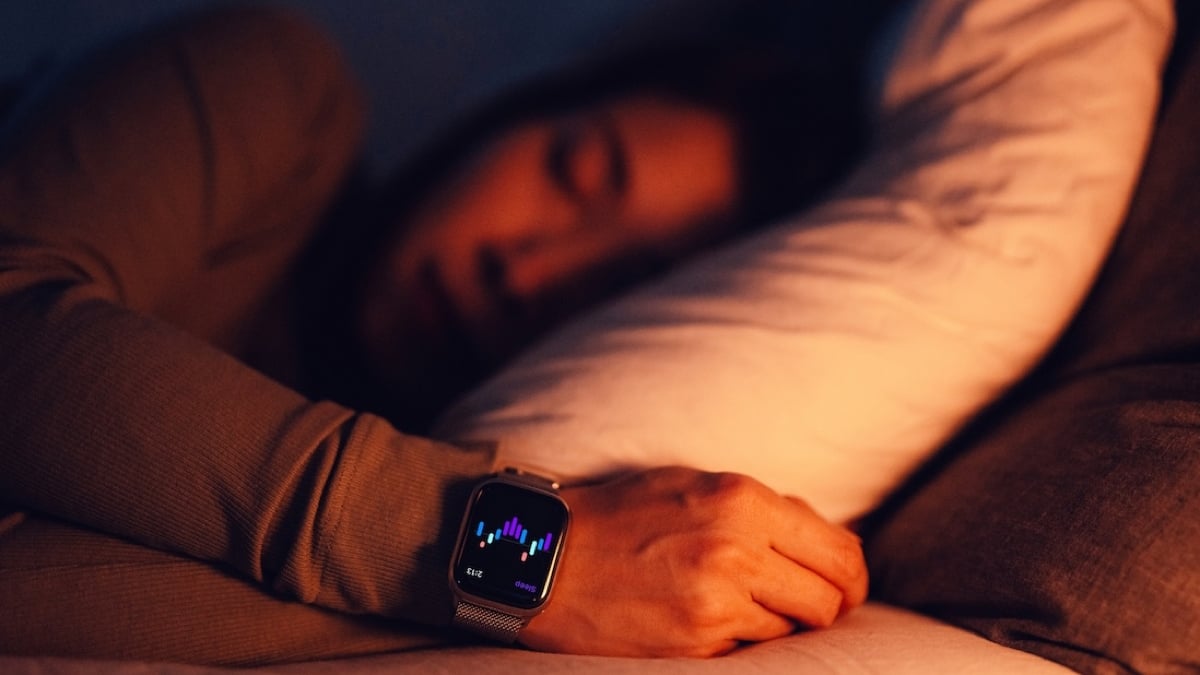
“`html
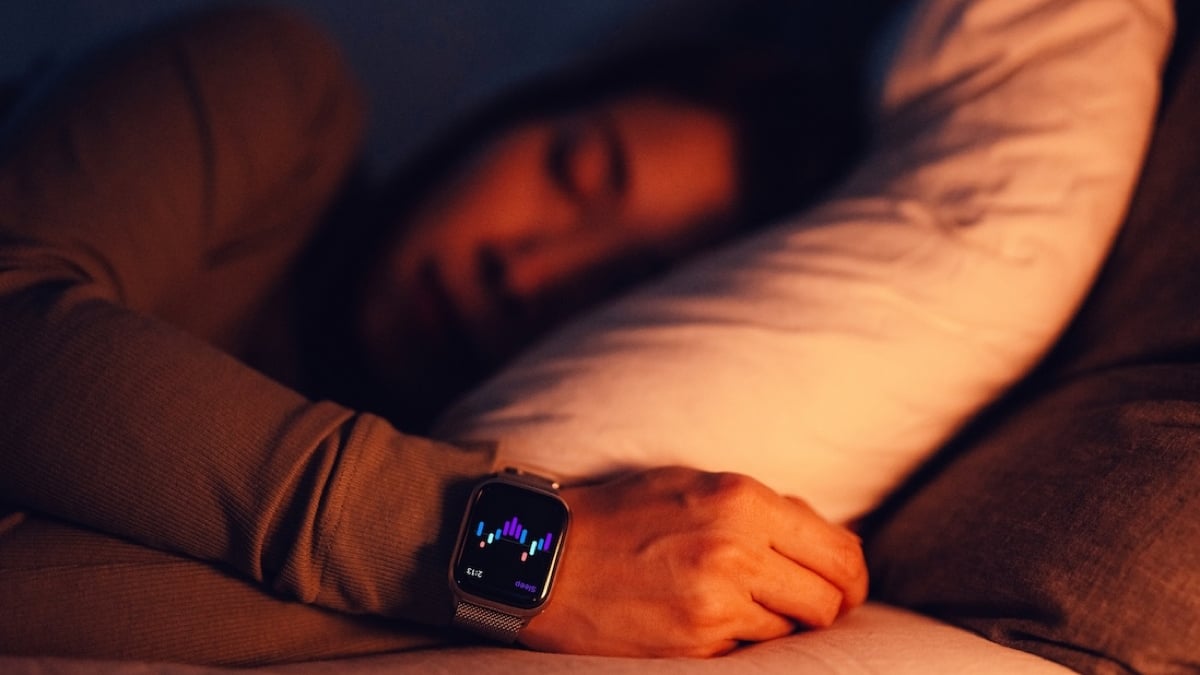
A comprehensive review of scientific evidence has revealed significant limitations in popular wrist-worn sleep trackers, raising concerns about their reliability for diagnosing sleep disorders. Researchers from Duke University and the Mayo Clinic examined data from multiple studies involving approximately 2,000 participants and found that devices like Fitbit and Apple Watch often fail to accurately reflect how people actually feel after sleeping. While these trackers can measure sleep duration, they struggle to capture subjective sleep quality—the key factor in diagnosing conditions like insomnia.
The analysis showed that wearable devices explained only a small fraction of the variation in perceived sleep quality, with particular gaps among older adults and those with insomnia. In one study, a Fitbit accurately aligned with sleep measurements in 82 percent of good sleepers but only 39 percent of those with insomnia. The devices frequently overestimated both total sleep time and sleep efficiency in people experiencing sleep disturbances, sometimes missing frequent nighttime awakenings entirely.
Researchers emphasize that psychological factors significantly influence sleep satisfaction in ways that heart rate and movement patterns cannot capture. A person experiencing depression, for example, may feel poorly rested despite showing normal sleep patterns on objective measures. The review authors conclude that while trackers may help monitor sleep duration trends, they should not replace validated clinical assessment tools when diagnosing sleep disorders. Patients concerned about their sleep quality should consult healthcare providers rather than relying solely on device data.
“`
Originally reported by Sciencealert →
About the Author