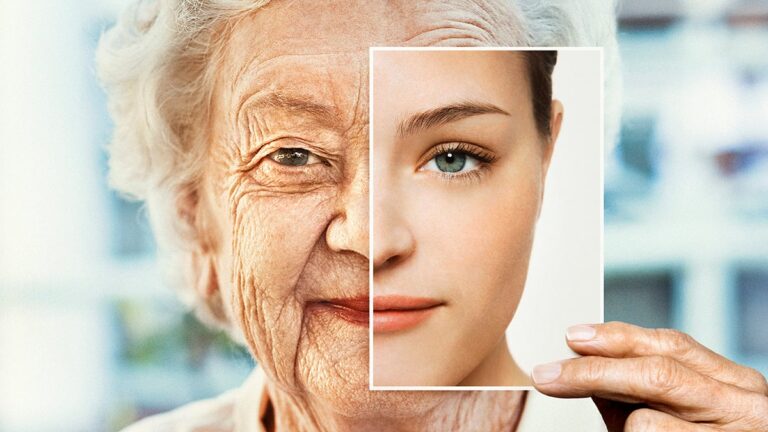
Scientists Are Trying to Define What ‘Reversing Aging’ Really Means
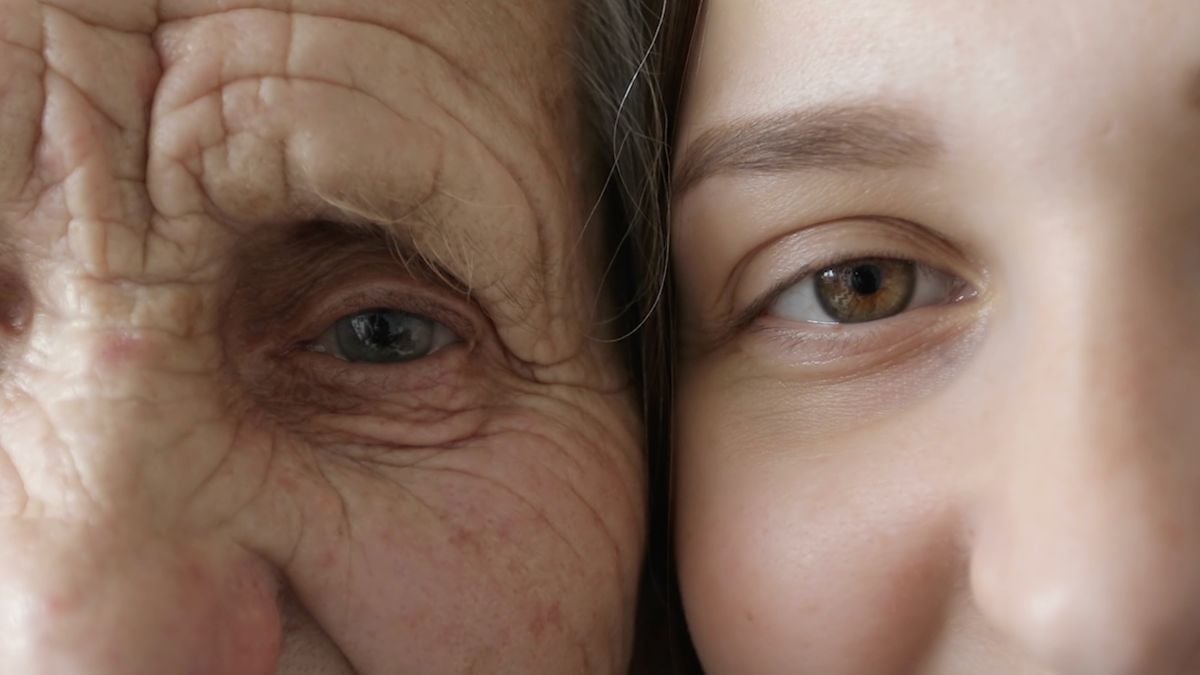 Let's get specific.
“`html
As aging-reversal therapies move toward human testing, researchers face a fundamental question: what does it actually mean to reverse aging? Scientists from Harvard Medical School and other institutions are working to establish clear criteria for measuring success in this emerging field. The challenge lies in distinguishing between a younger biological age measurement and genuine improvements in how the body functions.
Biological age differs from chronological age—the years since birth. Tests estimate biological age by examining bodily features that typically change with time. A falling score suggests these features have shifted toward patterns associated with younger individuals. However, researchers emphasize an important distinction: slowing the aging process differs from reversing it entirely. As one scientist noted, traveling more slowly along a road does not mean returning down it. Declaring that aging itself has reversed requires more rigorous evidence than a single measurement.
The researchers propose combining multiple assessment approaches to validate results convincingly. This includes measuring molecular changes within the body alongside physical capabilities like strength and cognitive function, and confirming that improvements persist after treatment ends. Recent studies demonstrate this complexity—in a major calorie-restriction trial, different biological aging measures produced conflicting results, with some showing changes and others showing none.
Ultimately, the most compelling evidence would show younger molecular patterns accompanied by lasting improvements in real-world function. Such comprehensive validation could help distinguish genuine rejuvenation from statistical fluctuations, moving the field toward reliable conclusions about whether aging can truly be reversed.
“`
Originally reported by Sciencealert →
About the Author