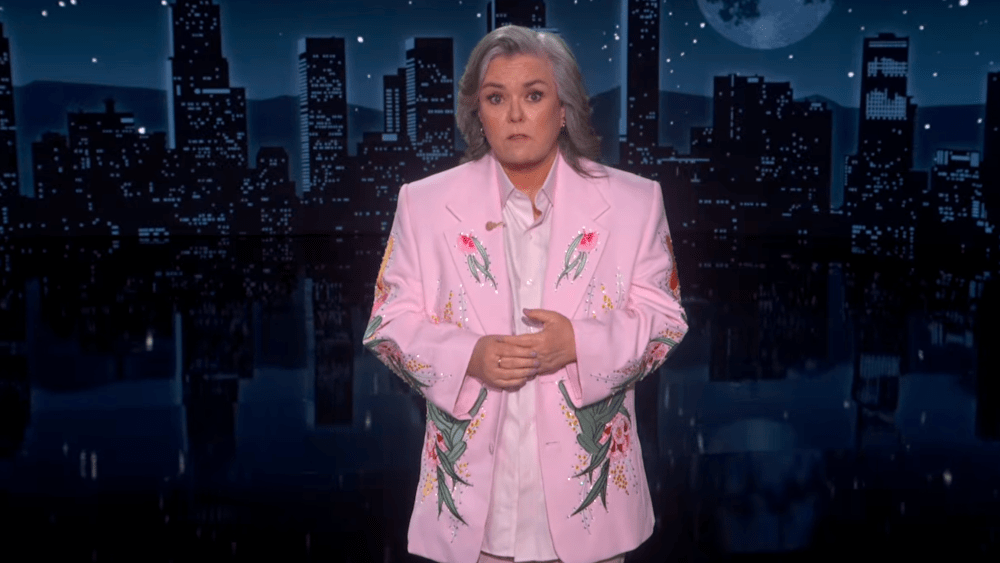
The late-night television landscape faces significant challenges as the genre struggles to maintain its relevance and energy. With major hosts approaching the end of their tenures and networks reducing their commitments to the format, industry observers believe the sector requires substantial revitalization to survive. The recent guest hosting appearance by Rosie O’Donnell on a major network program demonstrated that she could inject new vitality into the struggling medium and potentially provide the shake-up the industry desperately needs.
During her week-long stint, O’Donnell proved capable of delivering compelling television that resonated with audiences through both sharp political commentary and genuine connection with viewers. Her comedic approach balanced aggressive humor with relatable moments, showcasing her versatility as a performer. Industry analysts suggest that O’Donnell’s strong fan base, combined with her natural comfort in front of cameras, positions her as a viable candidate to helm a flagship late-night program.
The potential appointment would carry historical significance, as female representation in late-night hosting remains remarkably limited nearly four decades after Joan Rivers’s pioneering but short-lived attempt to break into the male-dominated format. While O’Donnell’s previous talk show ventures ended disappointingly, observers note that a traditional late-night desk format would provide the structured environment where her talents have historically flourished, distinguishing it from her earlier panel-based television work.
Despite concerns about her mixed track record in television, industry insiders believe O’Donnell’s combination of showbusiness expertise and audience appeal could energize a format increasingly vulnerable to obsolescence and attract viewers historically underserved by mainstream late-night programming.
Originally reported by Variety →
About the Author