
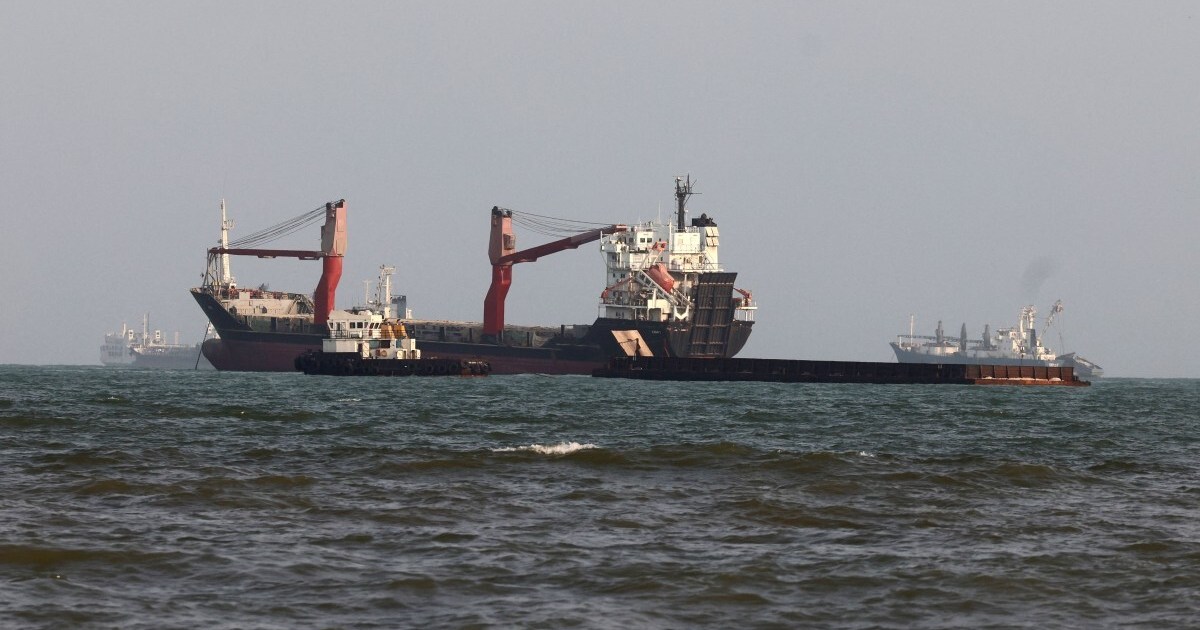
Crude oil prices surged Wednesday following fresh attacks on shipping vessels in the Middle East, undermining optimism about potential negotiations to restore traffic through the Strait of Hormuz. Brent crude increased over two percent, approaching $90 per barrel, as market participants grew increasingly skeptical about diplomatic progress on reopening the critical waterway.
Recent incidents in the region have intensified concerns about energy market stability. Yemen’s government reported that Iran-aligned forces struck a commercial vessel in the Bab al-Mandeb strait, while US military operations also targeted cargo ships attempting to circumvent port restrictions. These developments have eroded confidence that a breakthrough agreement will materialize soon, according to market analysts tracking the situation.
The Strait of Hormuz remains operating at severely reduced capacity, with only ten vessels transiting Monday compared to approximately 130 daily crossings before the conflict. Though some officials claim modest recovery in oil flows, independent tanker-tracking firms dispute these assessments, estimating significantly lower volumes. Energy officials project that Middle Eastern production will not normalize until early 2027, with Brent crude expected to average $87 per barrel throughout 2026.
Analysts emphasize that sustained oil price support depends on diplomatic breakthroughs. Without meaningful progress on reopening the strait in both directions, crude is likely to remain anchored between $85 and $90 per barrel, subject to additional developments in ongoing negotiations.
Originally reported by Aljazeera →
About the Author