Global oil markets are experiencing upward pressure as Iran establishes demanding conditions for reopening the Strait of Hormuz, a vital shipping corridor that has seen dramatic declines in traffic since conflict erupted in late February. Brent crude prices climbed more than one percent on Monday, with October futures trading at $84.43 per barrel—approximately 16 percent higher than pre-war levels. The uncertainty surrounding potential negotiations is prompting traders to maintain a cautious stance toward energy investments.
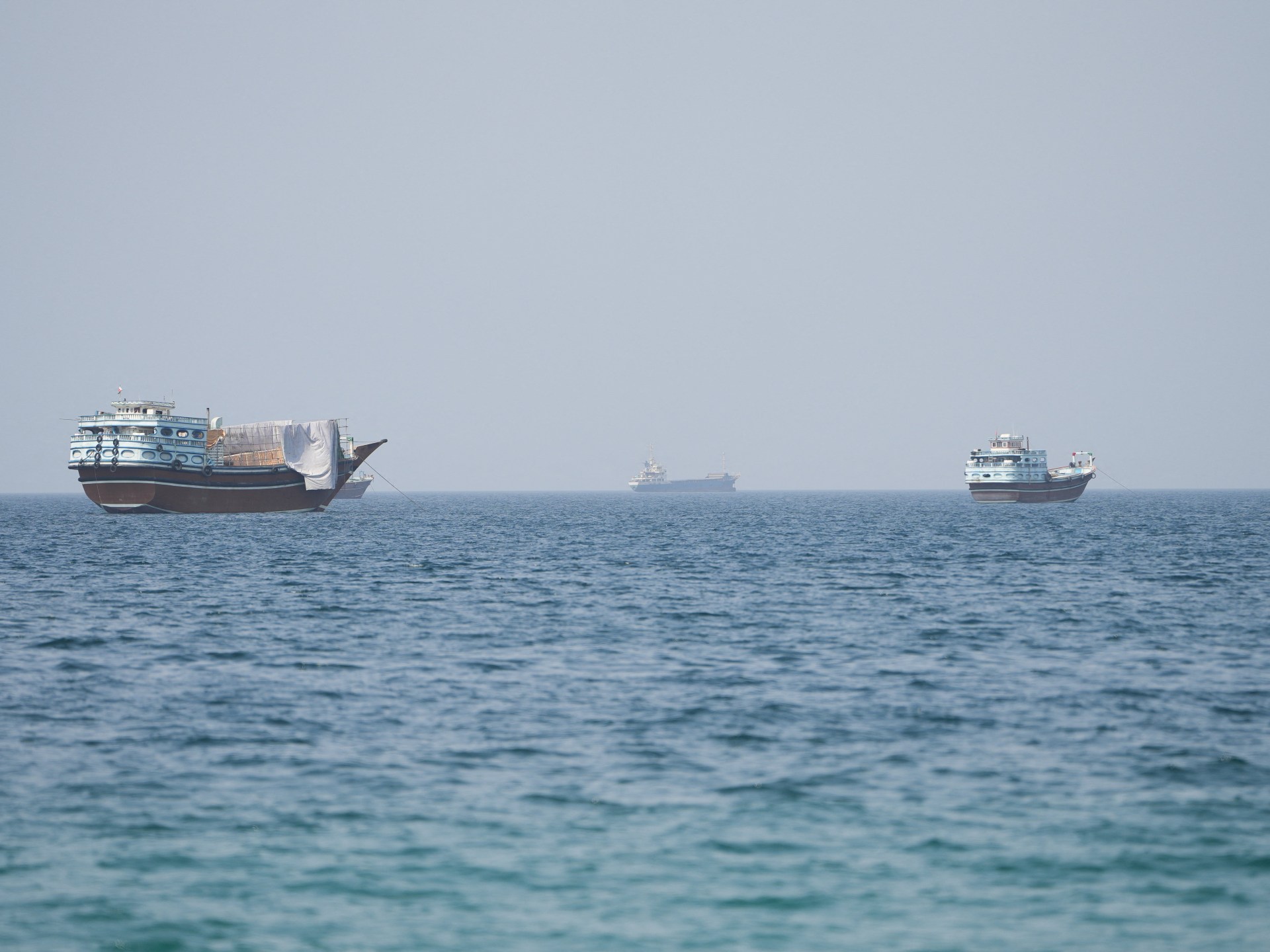
Iranian Foreign Minister Abbas Araghchi stated that while Iran and Oman are approaching an agreement on the waterway’s operations, reopening remains contingent on major concessions from the United States, including sanctions relief and reparations payments. Before the conflict, roughly 130 vessels transited the strait daily; recent figures show only 8 to 15 daily crossings, representing the largest energy market disruption in recorded history. The passageway typically handles approximately one-fifth of the world’s oil supply.
Market analysts attribute persistent price volatility to skepticism regarding diplomatic progress. Without concrete breakthrough developments, traders continue pricing in risk premiums reflecting the possibility of prolonged closure. Experts suggest that even if negotiators announce a deal, historical patterns indicate such agreements may prove unstable, potentially limiting any price decline that might follow.
Originally reported by Aljazeera →
About the Author