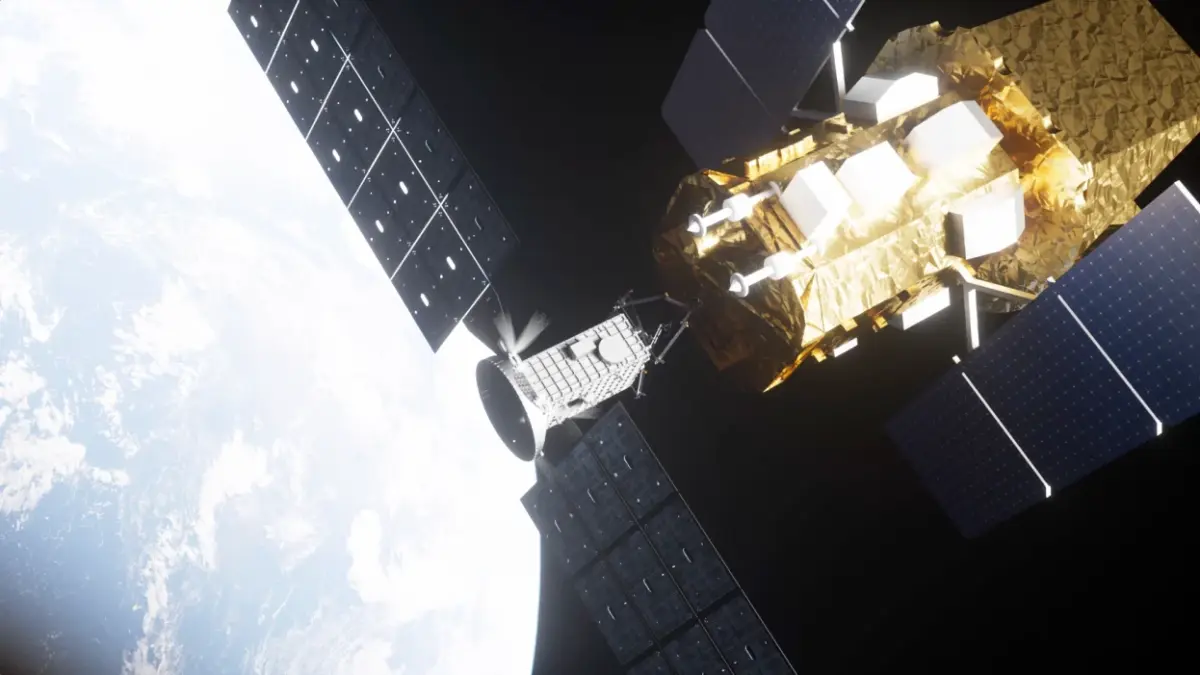
NASA has abandoned its ambitious effort to rescue the deteriorating Neil Gehrels Swift Observatory, a space telescope that has been observing the cosmos since 2004. The space agency had contracted Arizona-based Katalyst Space Technologies to construct a specialized servicing vehicle designed to elevate the aging telescope approximately 150 miles into a more stable orbital position. The rescue craft, designated LINK, successfully launched on a Northrop Grumman Pegasus XL rocket in early July, but persistent malfunctions in its orientation control systems have rendered the mission impossible to complete as intended.
Swift has exceeded all expectations during its two decades of operation, originally designed for a two-year mission. The telescope has become instrumental in detecting gamma-ray bursts—extraordinarily powerful cosmic explosions that briefly outshine entire galaxies—as well as monitoring black hole activity and cometary changes. However, a combination of solar atmospheric disturbances and increasing upper-atmosphere density has destabilized the spacecraft’s orbit, making it unlikely to survive beyond the current year without intervention.
Despite the setback, Katalyst Space Technologies plans to attempt a close approach with LINK to gather valuable data on proximity operations and docking procedures for future satellite servicing missions. NASA officials emphasized that the high-risk endeavor represented important progress toward developing standardized satellite maintenance capabilities. The agency views this experience as foundational for establishing an era where robotic spacecraft can repair or refuel satellites rather than allowing expensive equipment to be destroyed upon atmospheric reentry.
Originally reported by Mashable →
About the Author