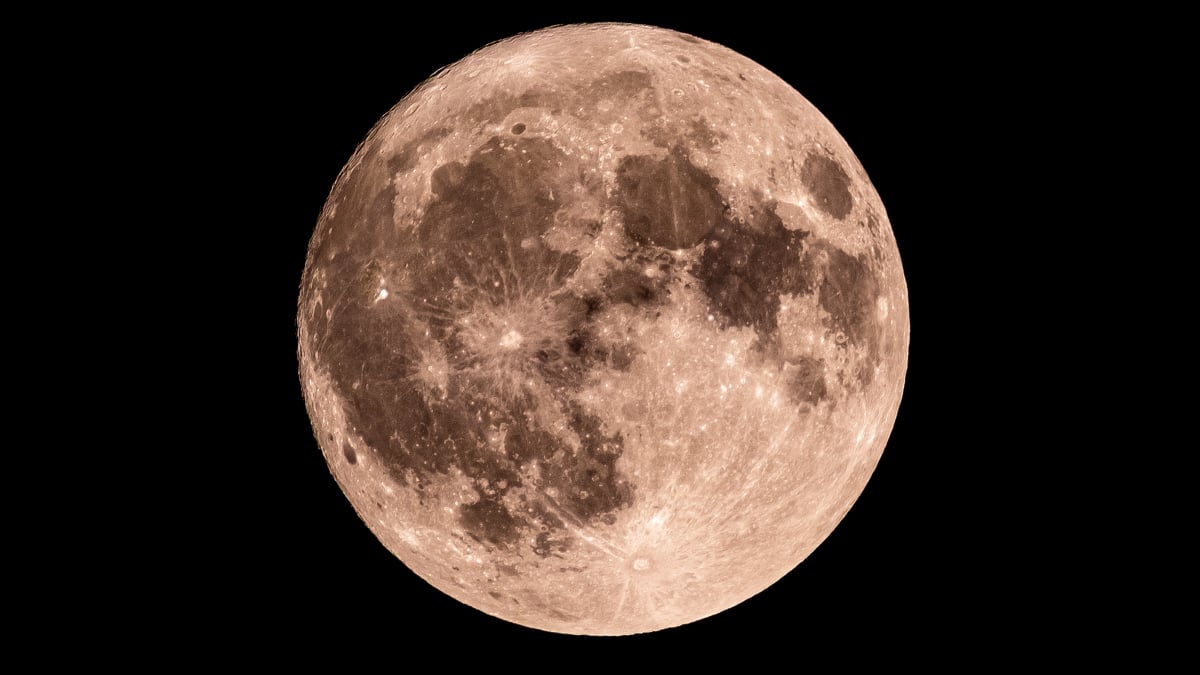
On September 9, stargazers looking skyward will find very little to observe in the lunar landscape. According to NASA’s tracking data, the Moon is currently in its Waning Crescent phase, with merely 4% of its surface illuminated. This means that only a thin sliver of light will be visible to the naked eye as the celestial body moves toward the New Moon phase.
Those equipped with telescopes or binoculars may have better luck spotting details on the Moon’s surface. The Grimaldi Basin represents the primary feature visible during this particular evening, offering amateur astronomers a focal point for observation despite the generally dark conditions.
Lunar observers will need to wait approximately two weeks for the next significant lunar event. The Full Moon is scheduled to appear on September 26, marking a dramatic shift from tonight’s minimal visibility. This cyclical pattern reflects the Moon’s continuous journey around Earth, which takes roughly 29.5 days to complete. Throughout this orbital period, the Moon transitions through eight distinct phases, each determined by the angle between Earth, the Moon, and the Sun, creating the varying illumination patterns visible from our planet.
Originally reported by Mashable →
About the Author