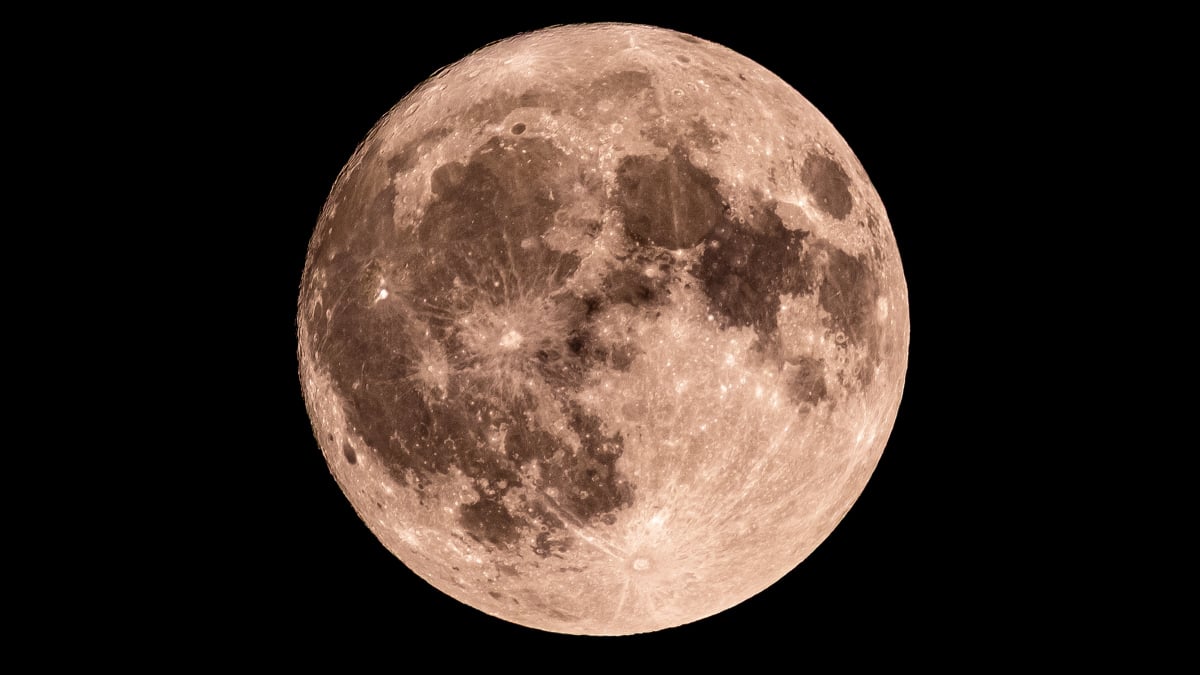
On September 8, skywatchers will observe the Moon approaching its darkest phase. Currently in the waning crescent stage, only about 10 percent of the lunar surface reflects sunlight, making it barely visible to the naked eye. This minimal illumination occurs because the Moon is positioned between Earth and the Sun, with its lit side facing away from our planet.
Observers equipped with telescopes or binoculars may detect the Grimaldi Basin during tonight’s viewing, though celestial features will be limited. The lunar cycle continues its predictable path, with the complete New Moon phase arriving within the next several days when the Moon becomes entirely invisible from Earth’s perspective.
The lunar calendar shows that brightness will return gradually following the New Moon, eventually culminating in the next Full Moon on September 26. This cyclical pattern repeats approximately every 29.5 days as the Moon orbits Earth. Its changing appearance results from its shifting position relative to the Sun, determining how much of its illuminated hemisphere becomes visible from our vantage point.
Eight distinct phases characterize each complete lunar cycle, ranging from the barely perceptible crescent stages to the prominent Full Moon. Understanding these phases helps stargazers anticipate what to expect in the night sky throughout the month.
Originally reported by Mashable →
About the Author