
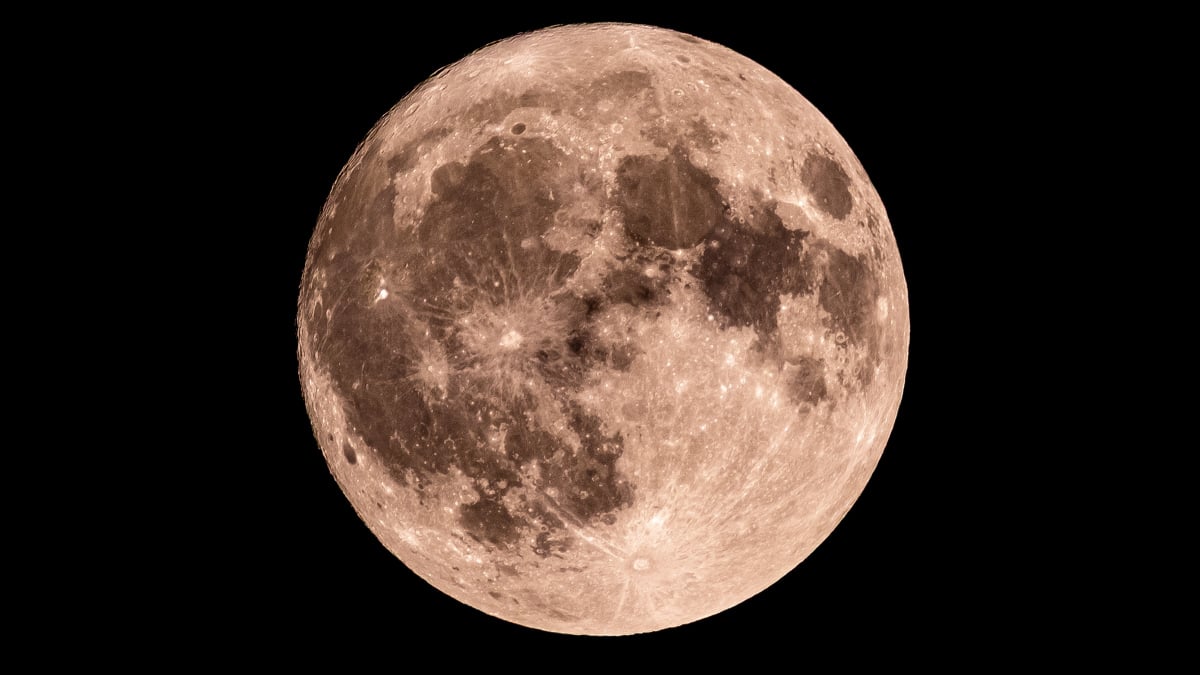
On September 15, 2026, the Moon enters a phase of increasing visibility after several nights of darkness. The lunar body is currently in the Waxing Crescent stage, with roughly 18% of its surface illuminated and observable from Earth. Stargazers can now begin identifying specific features on the Moon’s surface that have recently returned to view.
Those observing the night sky with the naked eye will be able to spot the Mare Crisium and Mare Fecunditatis without any optical equipment. For observers equipped with binoculars or a telescope, the Endymion Crater becomes visible as well. This marks a significant shift from the previous period when the Moon remained largely obscured from view.
The lunar cycle operates on approximately a 29.5-day schedule as the Moon orbits Earth. The changing appearance of our natural satellite results from its position relative to both Earth and the Sun, creating eight distinct phases throughout the month. The current Waxing Crescent phase will continue to brighten in the coming weeks, leading toward the next Full Moon scheduled for September 26.
Originally reported by Mashable →
About the Author