
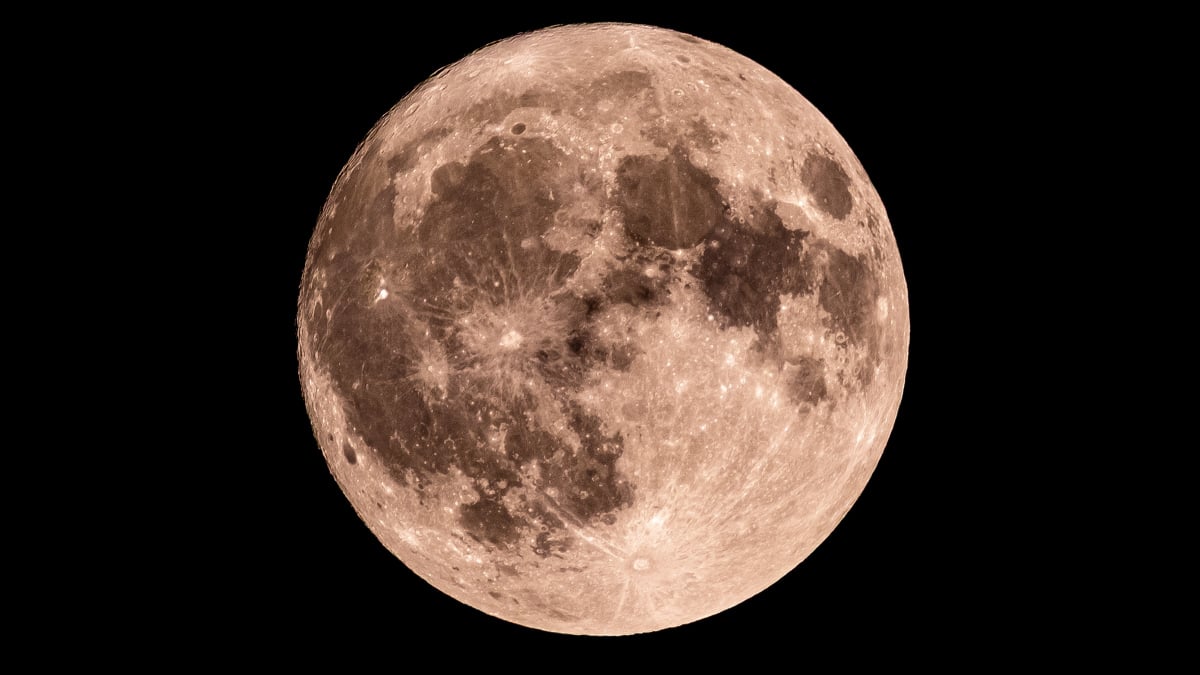
On September 14, 2026, observers will witness the Moon in its Waxing Crescent phase, with only 11 percent of its surface illuminated. According to NASA’s tracking data, the lunar body is gradually becoming more visible in the night sky as it progresses through its monthly cycle. This represents an early stage in the Moon’s journey from darkness to full brightness.
The lunar cycle spans approximately 29.5 days, during which the Moon’s appearance transforms dramatically based on its position relative to Earth and the Sun. The amount of the Moon’s sunlit face that we can observe determines which phase we see at any given time. The cycle begins with a New Moon, barely visible to the naked eye, and advances through increasingly brighter stages until reaching its Full Moon appearance.
Skygazers anticipating the next Full Moon should mark their calendars for September 26, 2026. Between now and then, the Moon will continue its predictable progression, passing through additional phases including First Quarter and Waxing Gibbous before achieving full illumination. This predictable celestial rhythm has guided human timekeeping and observation for millennia.
Understanding lunar phases helps observers appreciate the dynamic nature of Earth’s natural satellite. The eight distinct phases—from New Moon through Waning Crescent—create a consistent pattern that repeats monthly, offering accessible opportunities for both casual stargazers and dedicated astronomers to track celestial movements.
Originally reported by Mashable →
About the Author