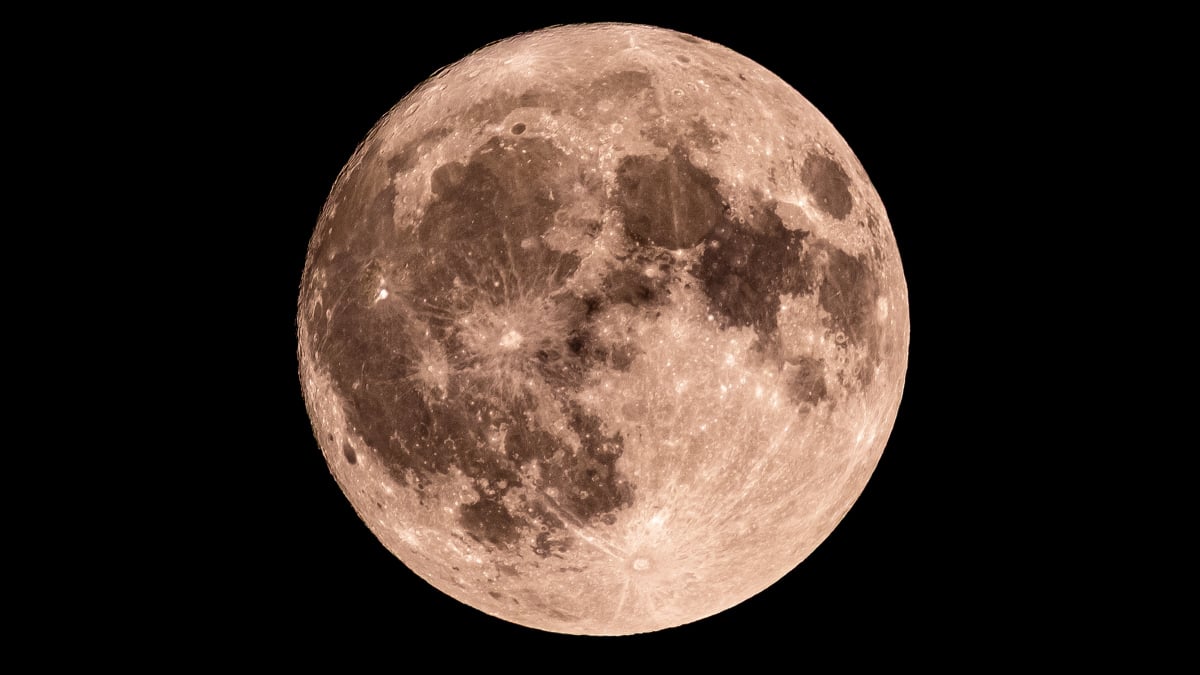
Stargazers looking for the Moon in the night sky may find themselves searching in vain for now, but relief is on the horizon. According to NASA’s tracking data, the lunar body is entering a fresh cycle and will gradually become more visible as the days progress.
On September 13, the Moon is currently in the Waxing Crescent phase, with only 5 percent of its illuminated surface observable from Earth. Those hoping to witness a fully lit lunar disk will need to wait approximately two weeks, as the next Full Moon is scheduled to occur on September 26.
The Moon’s changing appearance throughout the month results from its orbital path around Earth. Over a period of roughly 29.5 days, the lunar cycle progresses through eight distinct phases. The visibility of the Moon depends on its position relative to both Earth and the Sun, determining how much of its sun-facing side becomes visible to observers. Beginning as an invisible New Moon, it transitions through Waxing Crescent and First Quarter stages before reaching its fully illuminated Full Moon phase, then reverses the pattern through Waning Gibbous, Last Quarter, and Waning Crescent phases before returning to darkness.
Originally reported by Mashable →
About the Author