
“`html
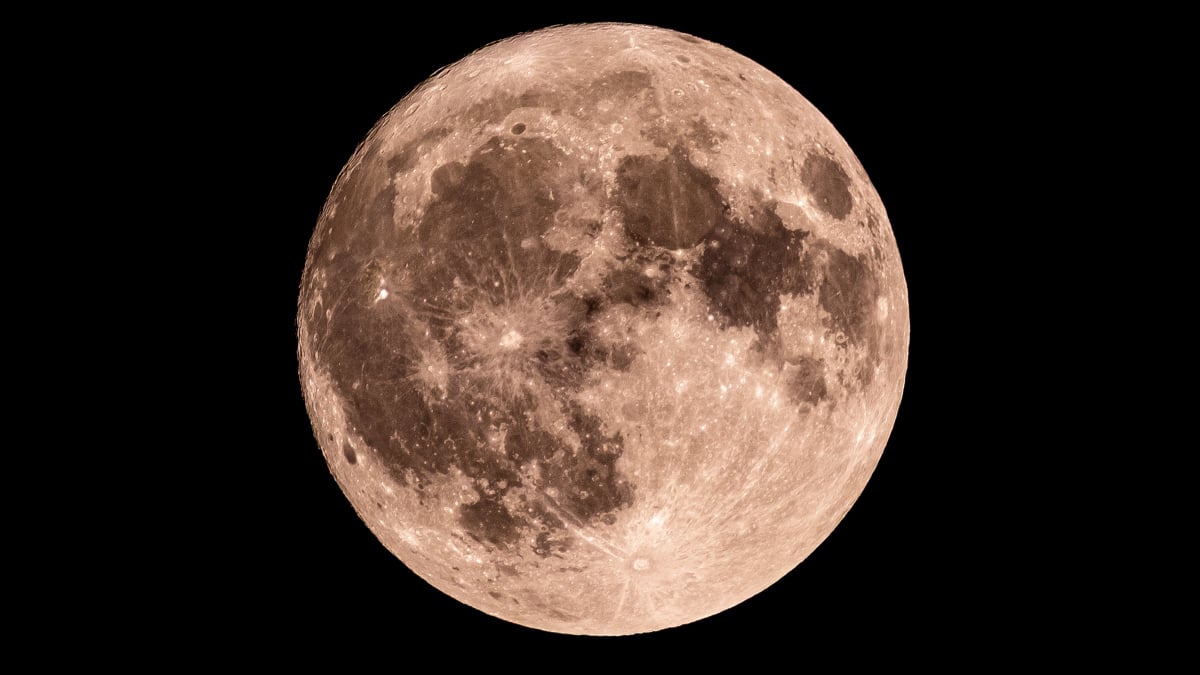
On August 23, the Moon enters its Waxing Gibbous phase with 79 percent of its surface illuminated, according to NASA’s Daily Moon Guide. During this stage, observers can expect the lunar orb to appear increasingly bright as it continues its journey toward becoming a full Moon.
Stargazers with various levels of equipment will find plenty of detail to observe tonight. The naked eye can reveal features including Mares Crisium and Imbrium, along with the prominent Tycho Crater. Those equipped with binoculars can spot additional formations such as the Clavius and Endymion Craters, as well as the Apennine Mountains. Telescope users will gain access to even more distant features, including the Apollo 15 landing location, Rupes Altai, and the Descartes Highlands.
The lunar cycle continues its regular progression, with the Full Moon expected to arrive on August 28. Moon phases occur as the celestial body orbits Earth over approximately 29.5 days, with the positions of the Sun, Earth, and Moon determining the amount of illuminated surface visible from our planet. The Waxing Gibbous phase marks one of eight distinct phases in this ongoing cycle.
“`
Originally reported by Mashable →
About the Author