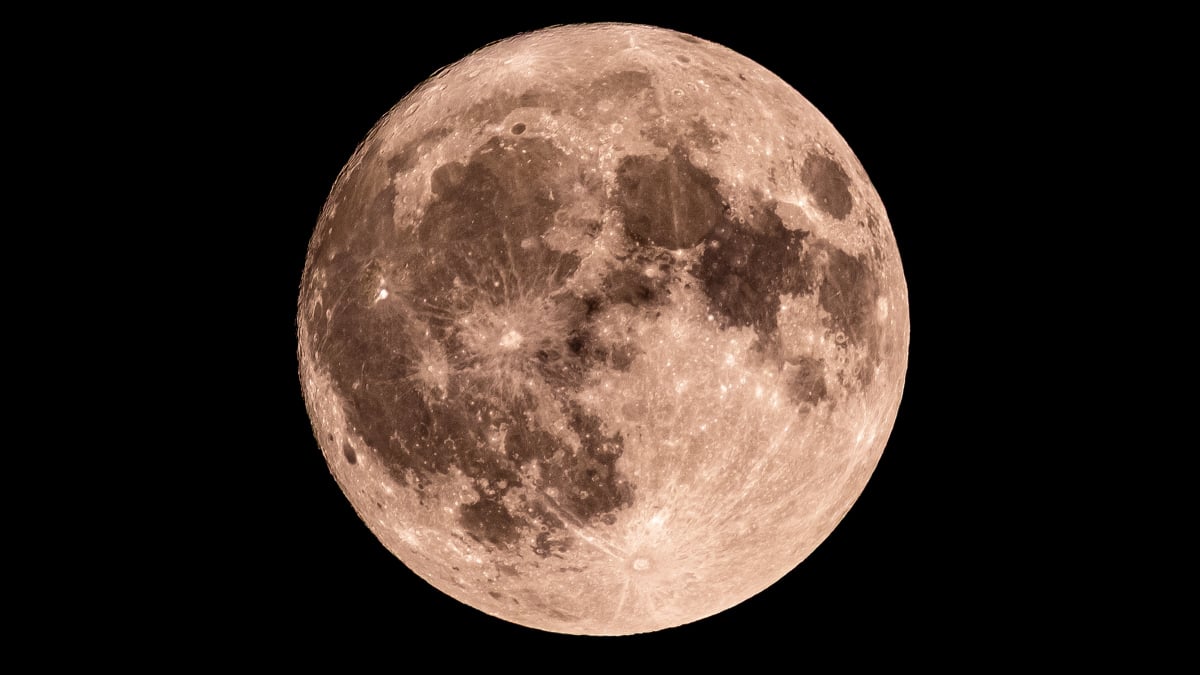
Skywatchers have an excellent opportunity to observe the Moon on August 22, as it reaches the Waxing Gibbous phase with 70 percent of its surface illuminated. This stage of the lunar cycle offers ideal conditions for viewing the night sky, provided weather permits clear visibility. Those interested in identifying specific lunar features can consult NASA’s Daily Moon Guide for reference information about what they are observing.
During this particular evening, several prominent lunar landmarks will be visible to the naked eye, including the Mares Crisium, Serenitatis, and Fecunditatis regions. Observers equipped with binoculars can extend their viewing capabilities to include the Clavius Crater, the Alps Mountains, and Archimedes Crater. Those with access to telescopes may even spot the landing sites of the Apollo 11, 16, and 17 missions.
The Moon’s changing appearance results from its orbital motion around Earth, which creates a cycle lasting approximately 29.5 days. As the relative positions of the Sun, Earth, and Moon shift, the proportion of the illuminated lunar surface visible from our planet transforms through eight distinct phases. The next Full Moon will occur on August 28, providing another opportunity for lunar observation in the coming week.
Originally reported by Mashable →
About the Author