
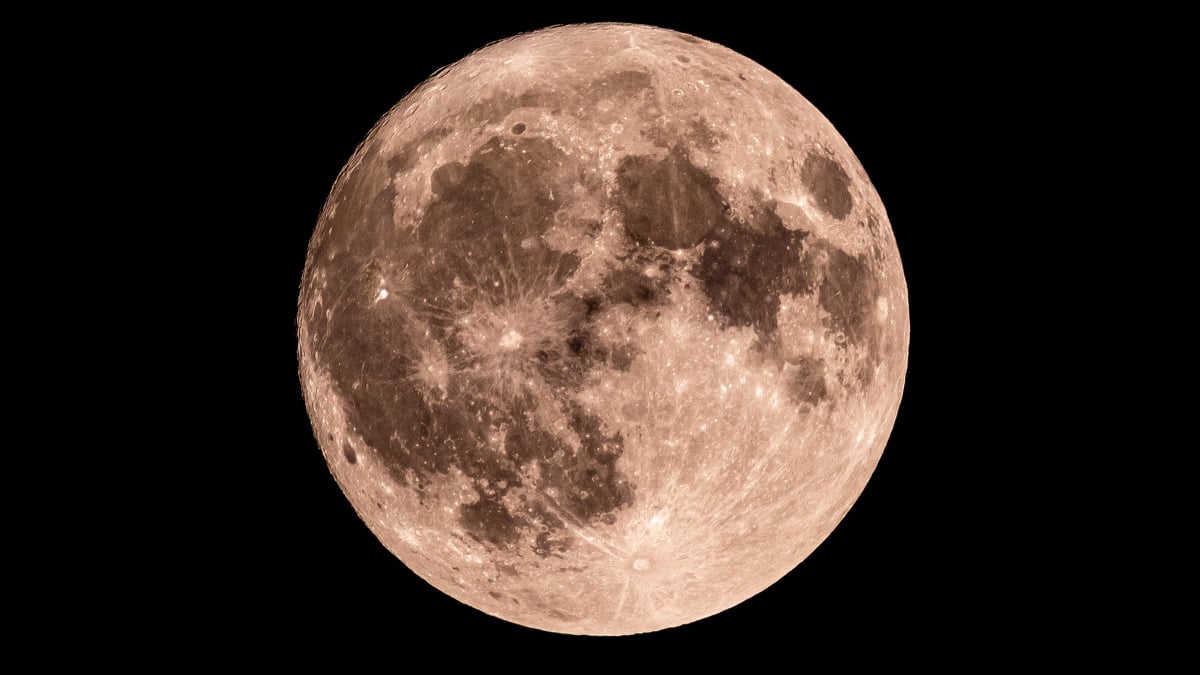
On August 20, the Moon reaches its First Quarter phase, displaying noticeably increased brightness compared to recent nights. During this phase, approximately 52% of the lunar surface becomes visible from Earth, creating the appearance of a half-illuminated Moon.
Skywatchers have multiple viewing options depending on their equipment. The naked eye reveals several prominent lunar features including the Mares Crisium, Tranquillitatis, and Fecunditatis. Binocular users can observe additional details such as the Endymion Crater, Posidonus Crater, and Mare Nectaris. Those with telescopes gain access to even finer details, including the Apollo 17 landing site, Rima Hyginus, and the Descartes Highlands.
The Moon progresses through eight distinct phases as it orbits Earth over approximately 29.5 days. These phases result from the changing positions of the Sun, Earth, and Moon, which determine how much of the lunar surface appears illuminated from our perspective. The cycle transitions from New Moon through various crescent and gibbous phases before reaching Full Moon, then reverses the sequence. Looking ahead, the next Full Moon will occur on August 28.
Originally reported by Mashable →
About the Author