
“`html
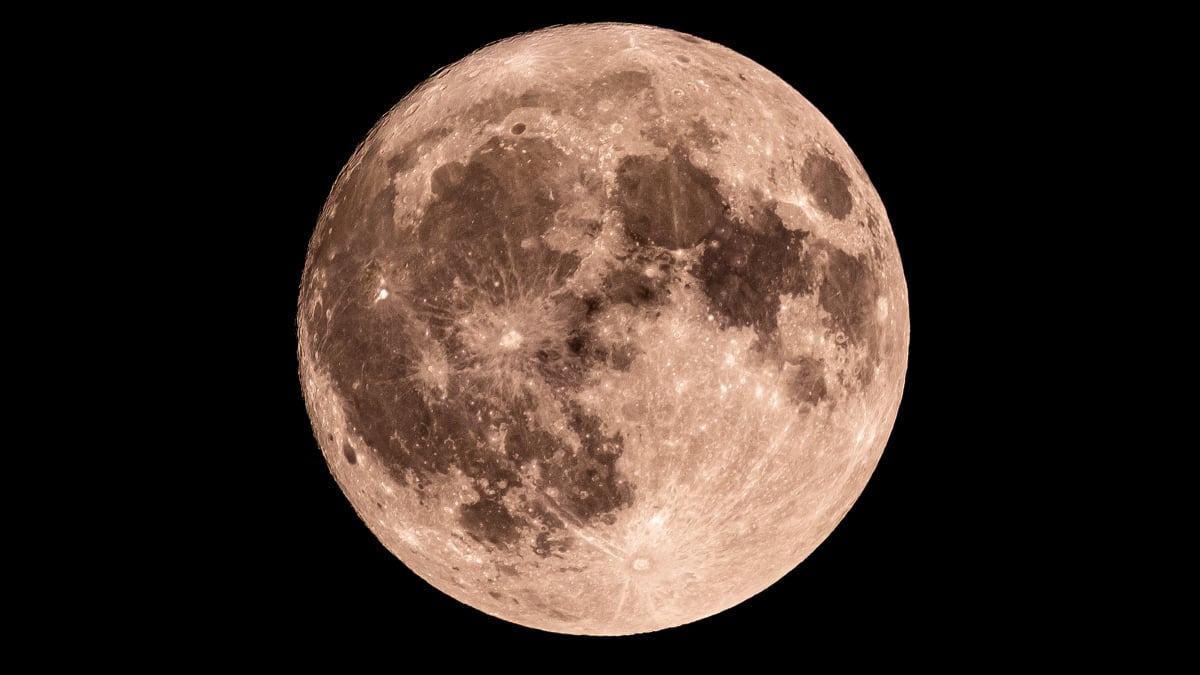
The Moon continues its gradual return to prominence in the night sky on August 18, growing increasingly visible each evening. Currently in the Waxing Crescent phase, approximately one-third of the lunar surface is illuminated as it progresses through its roughly 29.5-day orbital cycle around Earth.
Observers with the naked eye can identify the lunar features known as Mares Crisium and Fecunditatis. Those equipped with binoculars will have the opportunity to observe Endymion Crater, while telescope users may be able to locate the Apollo 17 landing site, marking humanity’s final crewed mission to the Moon’s surface.
Moon phases result from the changing positions of the Sun, Earth, and Moon as our satellite orbits, determining which portions of its illuminated side are visible from our planet. The lunar cycle progresses through eight distinct phases, beginning with the New Moon and advancing through Waxing Crescent, First Quarter, and Waxing Gibbous before reaching the Full Moon, then reversing through the waning phases. The next Full Moon will occur on August 28.
“`
Originally reported by Mashable →
About the Author