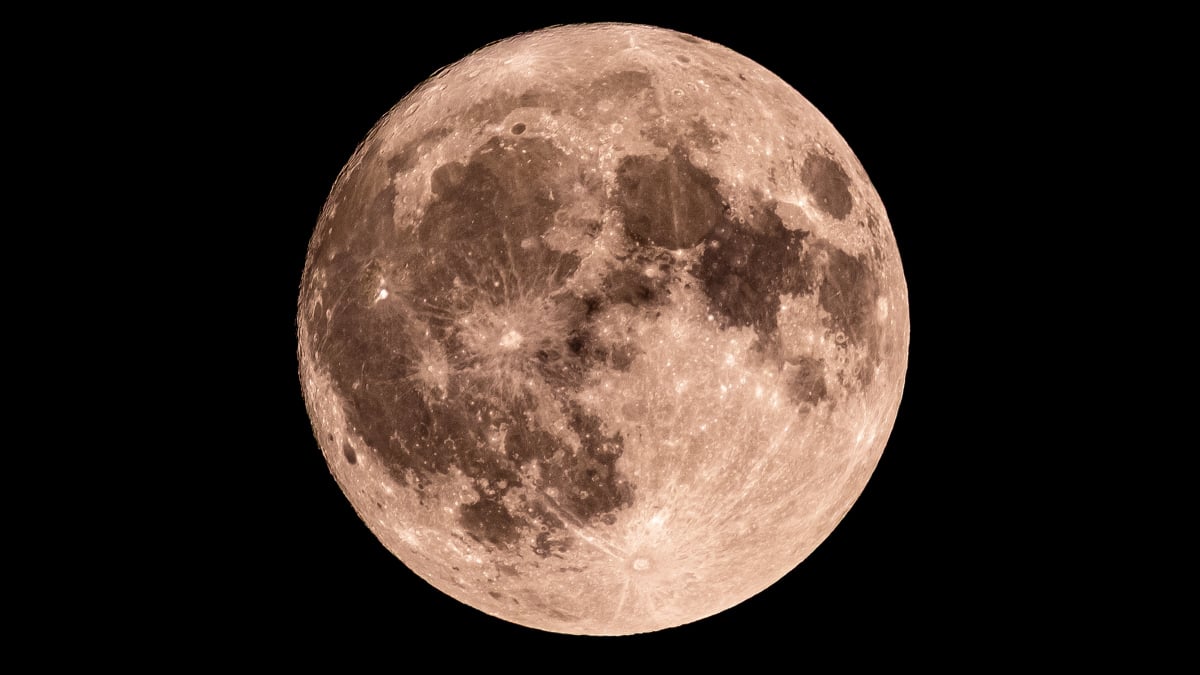
On August 10, the Moon enters its waning crescent phase, displaying just 16 percent of its illuminated surface. Observers will notice the lunar disk appearing increasingly thin as it progresses toward the new moon phase expected within the coming days. Witnessing surface details requires optical aid such as binoculars or a telescope.
Using proper equipment, stargazers can observe the Grimaldi Basin, an expansive ancient impact crater formed by a massive asteroid strike. The crater’s interior was subsequently filled with dark basalt material, creating a striking contrast between its shadowy floor and the brighter surrounding ridge formations that characterize this prominent lunar feature.
The Moon completes its orbital cycle around Earth approximately every 29.5 days, producing the eight distinct phases visible from our perspective. This monthly progression results from changing angles between the Sun, Earth, and Moon, which determines what percentage of the lunar surface appears illuminated. The next full moon will occur on August 28, completing the current lunar cycle.
Originally reported by Mashable →
About the Author