
Long COVID Linked to Lasting Damage in The Brain’s Dopamine System
 The virus can cause serious damage.
“`html
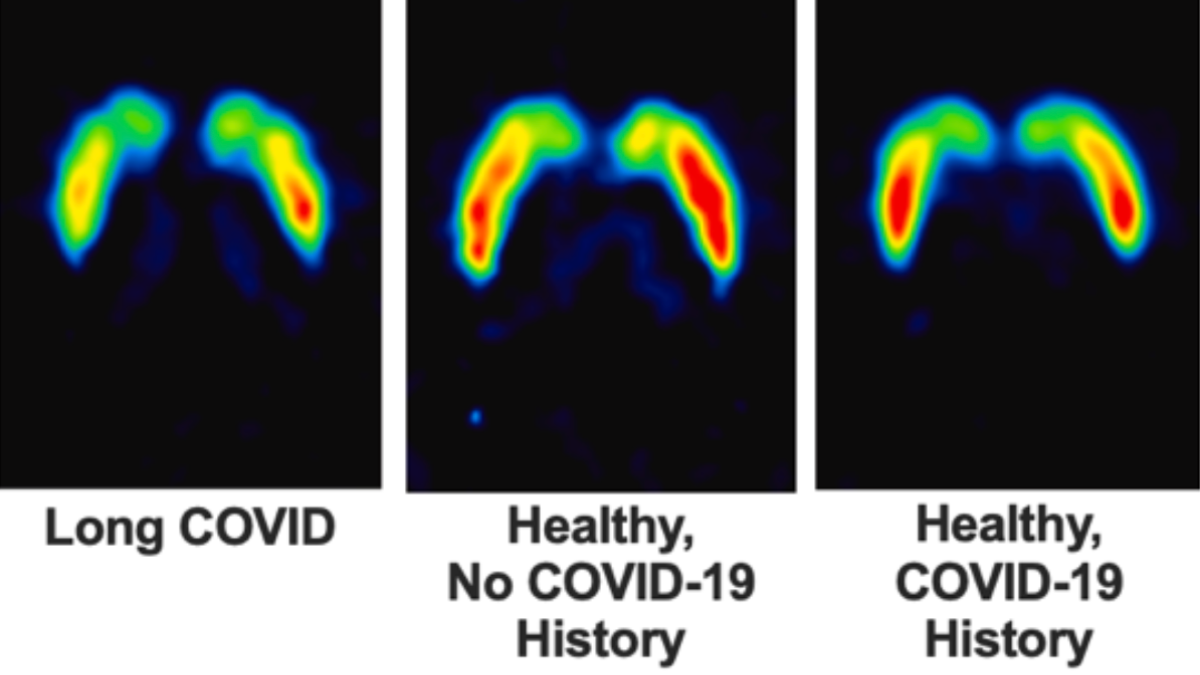
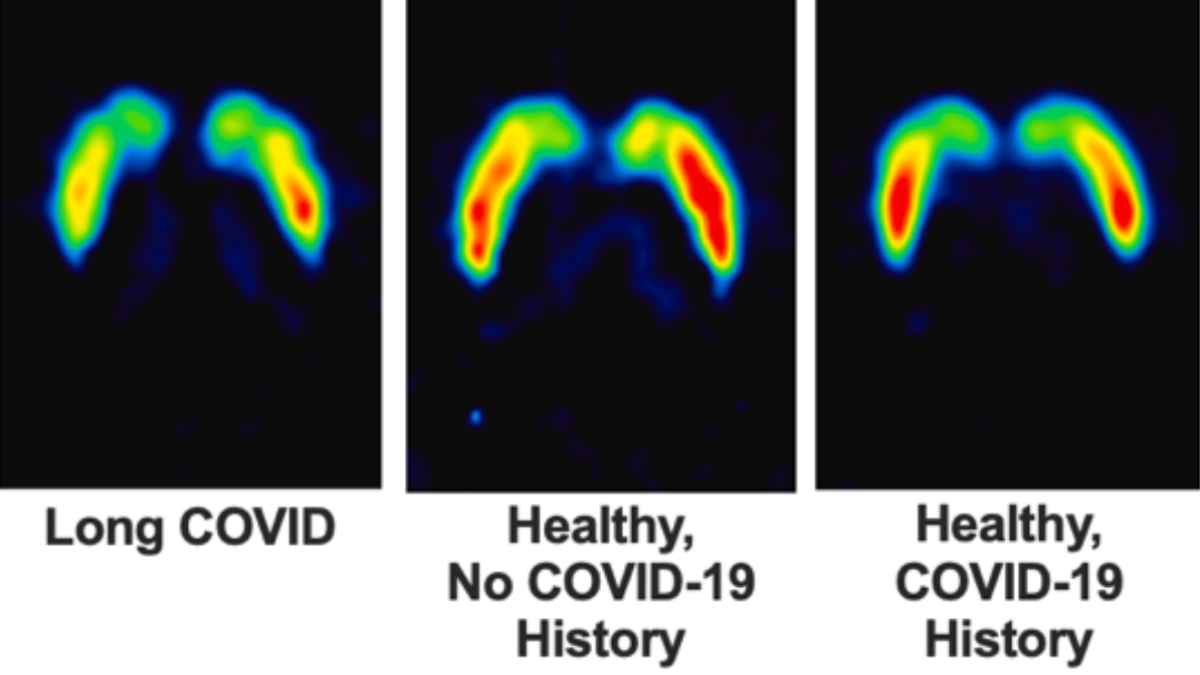
Researchers in Canada have discovered evidence of significant damage to the brain’s dopamine system in people suffering from long COVID. Using advanced brain imaging technology, scientists found that individuals experiencing persistent depression and apathy months after COVID-19 infection had approximately 18 percent fewer dopamine nerve endings compared to healthy individuals. This discovery provides visible, measurable evidence of brain injury in long COVID patients, addressing a major gap in understanding the condition’s neurological effects.
The study, published in eBioMedicine, involved analyzing positron emission tomography scans from 24 long COVID patients and 24 healthy controls. Researchers injected participants with a radiotracer to measure dopamine signaling in the striatum, a brain region responsible for movement and motivation. The damage appeared across different striatal regions, with effects ranging from reduced motivation to slower movement and memory decline. Notably, this neurological damage remained detectable in patients who had lived with long COVID for up to 4.6 years.
These findings carry important implications for long COVID treatment and diagnosis. Experts suggest the dopamine marker could eventually help diagnose the condition, while researchers are exploring whether medications targeting dopamine could alleviate symptoms. Currently, long COVID lacks validated treatments or diagnostic tests, leaving millions worldwide managing symptoms through trial-and-error approaches. With an estimated 65 million people globally affected by this debilitating illness, developing evidence-based therapies addressing the underlying biological changes remains a critical priority.
“`
Originally reported by Sciencealert →
About the Author