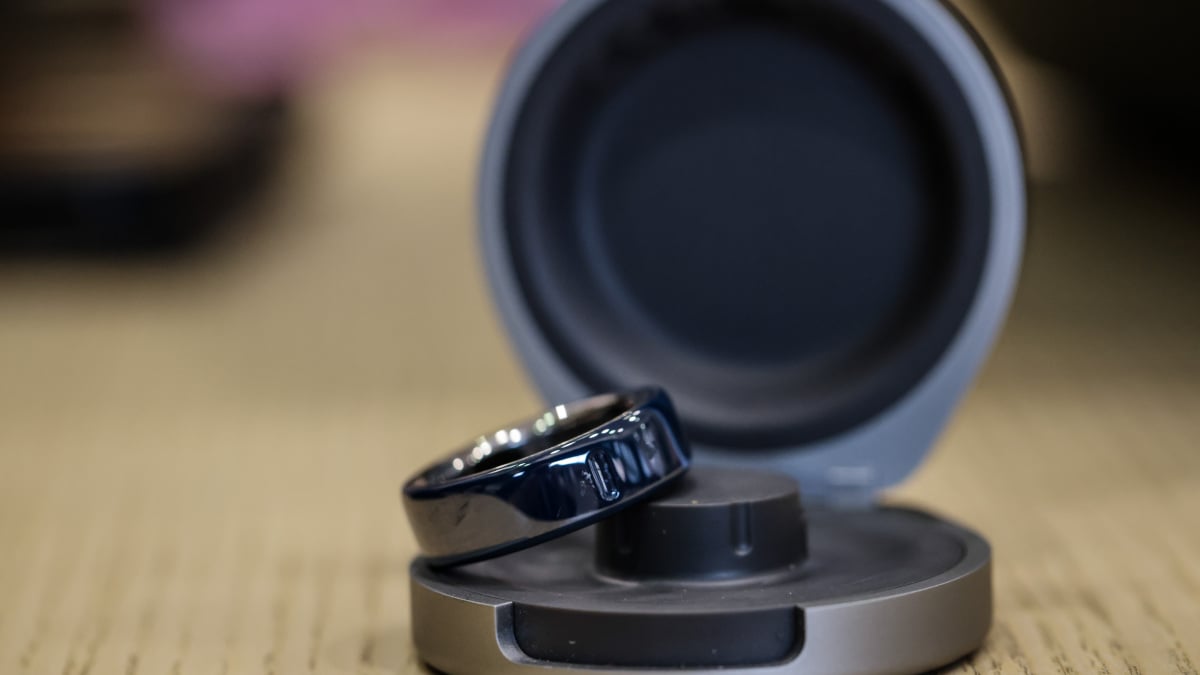
A class-action lawsuit filed in California’s Northern District court challenges the accuracy of the Oura Ring’s sleep tracking capabilities. The complaint, submitted on August 20, contends that the wearable device cannot measure the biological markers necessary for genuine sleep monitoring, including brain activity, eye movements, and muscle tone—measurements typically captured through specialized equipment like scalp electrodes and chin sensors.
According to the legal filing, Oura’s reliance on artificial intelligence models amounts to educated guessing rather than scientific measurement. The complaint asserts that the company markets sleep stage and cycle data as reliable information despite lacking the technological ability to directly measure these phenomena, potentially misleading consumers seeking health solutions. While Oura acknowledges in its technical documentation that it does not track brain activity or eye movements, the lawsuit argues this contradicts marketing claims about sleep measurement accuracy.
Plaintiff Madison Surber, represented by Clarkson Law Firm, purchased an Oura Ring 4 Gold in May 2025 for $513.68, believing the device would deliver accurate sleep data. The lawsuit alleges multiple violations, including fraudulent advertising, breach of warranty, and violations of California consumer protection laws. The case seeks compensation exceeding $5 million on behalf of more than 100 class members.
The company has been contacted for response to the allegations.
Originally reported by Mashable →
About the Author