Western Europe has recorded its hottest June and July in history, according to data released by the Copernicus Climate Change Service. The region’s two-month average temperature reached 21.62 degrees Celsius, approximately 2.79 degrees above normal levels and surpassing the previous record established in 2022.
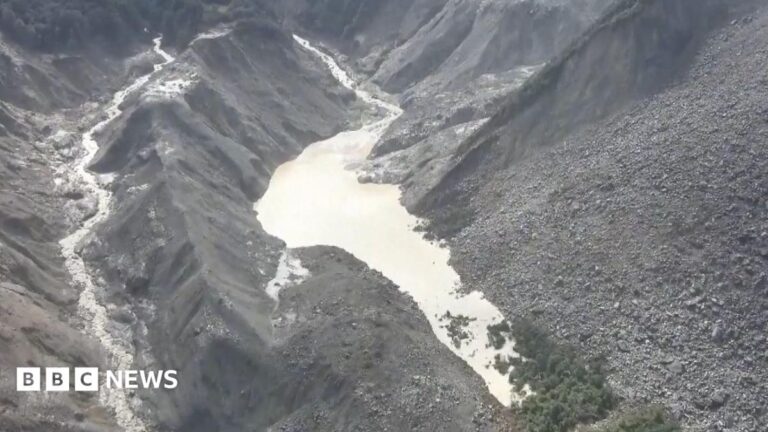
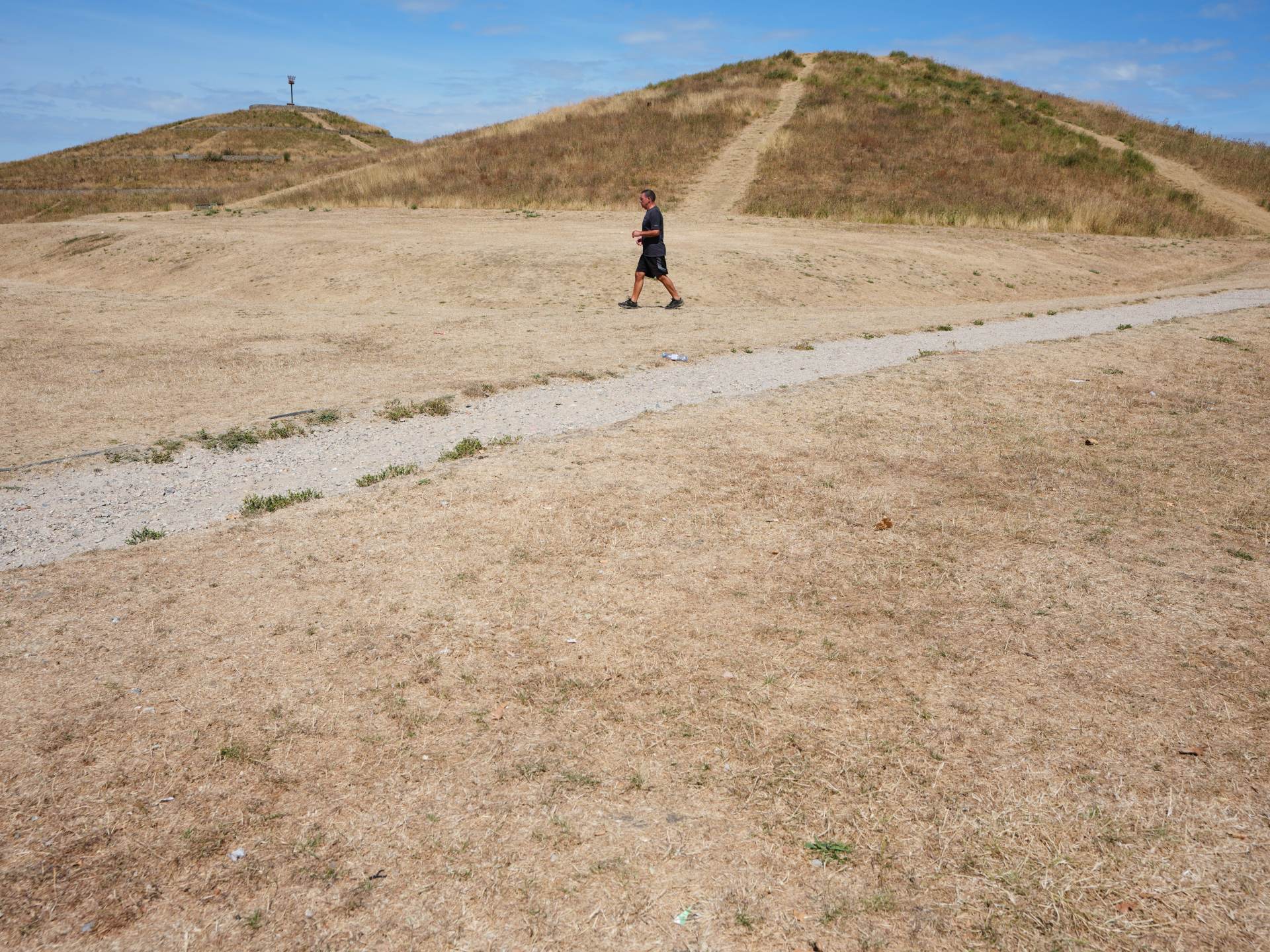
The exceptional heat was compounded by severe drought conditions across the continent. Soil moisture levels dropped significantly below previous measurements, with major rivers including the Seine, Rhine, and Danube experiencing critically low water levels. The combination of extreme temperatures and limited rainfall created dangerous conditions that required some nations to reduce nuclear power plant operations and disrupted irrigation systems.
The intensifying heat and drought conditions fueled catastrophic wildfires throughout the region. France experienced a major fire that destroyed nearly 42,000 hectares and displaced over 220,000 residents in late July, while Spain recorded its largest wildfire in recent years, consuming approximately 44,000 hectares near Madrid. Experts warn that smoke from such large fires can travel thousands of kilometers, affecting air quality across multiple countries.
Climate scientists attribute the extreme conditions to persistent high-pressure systems that trapped heat over Western Europe. As soil desiccates, it loses its natural cooling capacity, creating a reinforcing cycle where heat and drought amplify each other—a pattern increasingly linked to climate change acceleration.
Originally reported by Aljazeera →
About the Author