“`html
Women in Gaza facing breast cancer diagnoses are encountering a severe healthcare crisis stemming from Israel’s military operations and blockade in the territory. Medical facilities are struggling to provide adequate diagnostic and treatment services, with equipment failures and medication shortages becoming increasingly common. The situation has created dangerous delays in care for patients who desperately need timely intervention to improve survival outcomes.
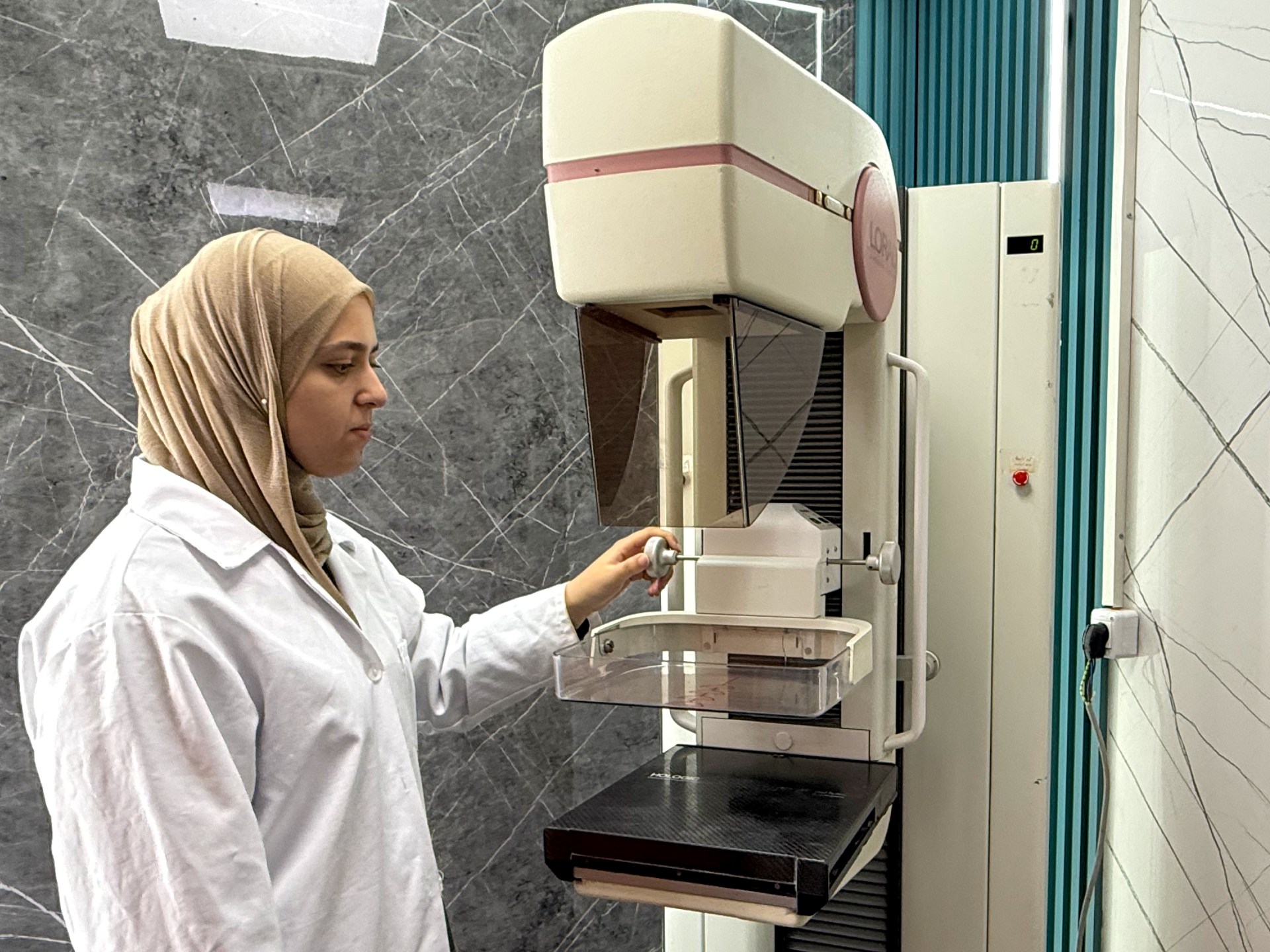
According to the World Health Organization, approximately 10,000 cancer cases exist in Gaza, with over 2,000 new diagnoses annually. Breast cancer represents one of the most prevalent malignancies among women in the region. However, physicians report a troubling shift in patient presentations, with hospitals documenting a 40 percent or greater increase in advanced-stage cancer cases since the conflict began in October 2023. Early detection equipment remains frequently non-functional, while essential medications and radiotherapy services remain in critically short supply.
Medical professionals highlight the compounding challenges patients face beyond physical illness. Women must balance medical appointments with the demanding task of sustaining their families in a conflict zone, often prioritizing immediate survival needs over healthcare visits. Additionally, the psychological toll of living through warfare significantly impacts recovery prospects. Doctors emphasize that delays in diagnosis reduce treatment effectiveness substantially, with some patients suffering fatal consequences while awaiting permission to seek care outside Gaza.
Healthcare providers stress that early detection through mammography screening dramatically improves survival rates, potentially exceeding 95 percent in certain cases. The current collapse of diagnostic infrastructure and treatment capacity represents a humanitarian crisis within the broader conflict affecting Gaza’s most vulnerable patients.
“`
Originally reported by Aljazeera →
About the Author