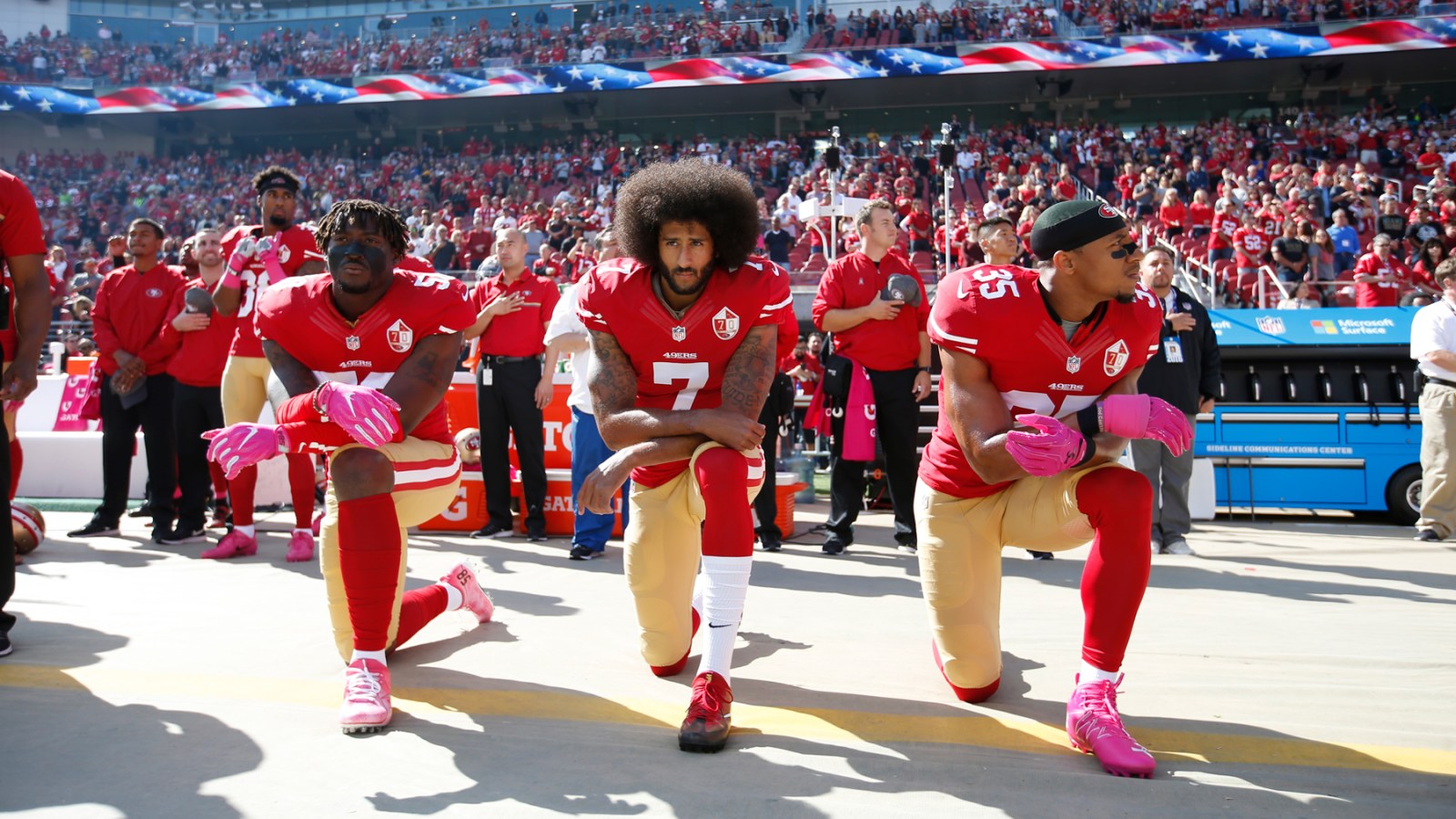
A decade ago, professional sports became a platform for social justice activism when San Francisco 49ers quarterback Colin Kaepernick kneeled during the national anthem in 2016 to protest racial inequality. Though he faced immediate backlash and left the NFL shortly after, Kaepernick has since become synonymous with athlete activism worldwide, securing Nike sponsorships and establishing Know Your Rights Camp, an organization focused on educating citizens about legal protections. He is set to release a memoir this month that will further cement his legacy.
However, Kaepernick’s prominence has overshadowed numerous athletes who participated in the broader protest movement. The Minnesota Lynx, led by Maya Moore, became the first professional team to demonstrate in support of Black lives in July 2016, predating Kaepernick’s actions. Yet their contributions have been largely forgotten, partly due to the disparity in media attention between male and female athletes and sponsorship opportunities available to them.
Other male athletes who joined the movement, such as Kenny Stills and Bruce Maxwell, faced career consequences without the same corporate backing Kaepernick received. Stills departed the NFL in 2021 after experiencing reduced playing time and injuries, attributing some of his struggles to his activism. The initial corporate backlash, despite temporary support during 2020’s racial justice movements, has created a lasting deterrent for current athletes considering public activism.
As Kaepernick’s story becomes the defining narrative of sports protest, the experiences and sacrifices of his fellow activists have been largely erased from public memory, leaving their individual journeys untold.
Originally reported by Rollingstone →
About the Author