
“`html
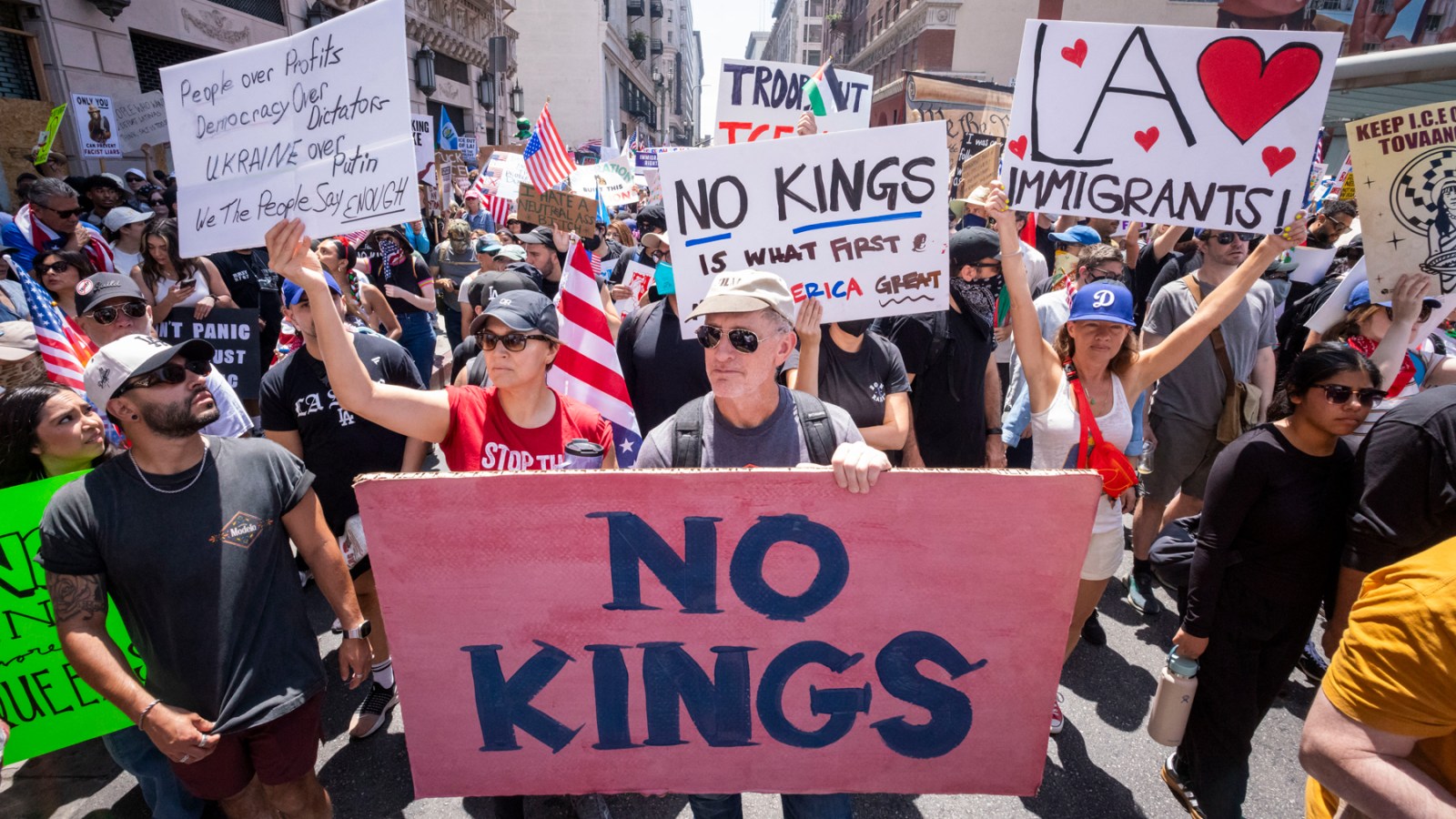
Political activism in America has long taken multiple forms, from permitted community demonstrations to more spontaneous and confrontational protests. While mainstream liberal participation typically involves peaceful marches and civic engagement, younger and more radical activists often employ direct action tactics. Historically, both approaches have contributed to significant social progress, including the establishment of labor rights and civil rights protections.
The current political landscape presents a concerning shift in how these varied forms of protest are being treated by authorities. Recent cases demonstrate a pattern of severe legal consequences for protest participants, with some facing decades-long sentences for roles in demonstrations. These prosecutions target vulnerable individuals from activist communities, establishing legal precedents that could expand the scope of criminal liability for political engagement.
Legal experts warn that this approach to prosecuting protest activities may not remain limited to radical activists. As the government tests the boundaries of what constitutes criminal conduct at demonstrations, the precedents established could eventually affect mainstream political participation. Civil liberties advocates express concern that peaceful protest and standard forms of political dissent could face increased legal scrutiny, fundamentally altering the landscape of constitutionally protected expression in the country.
“`
Originally reported by Rollingstone →
About the Author