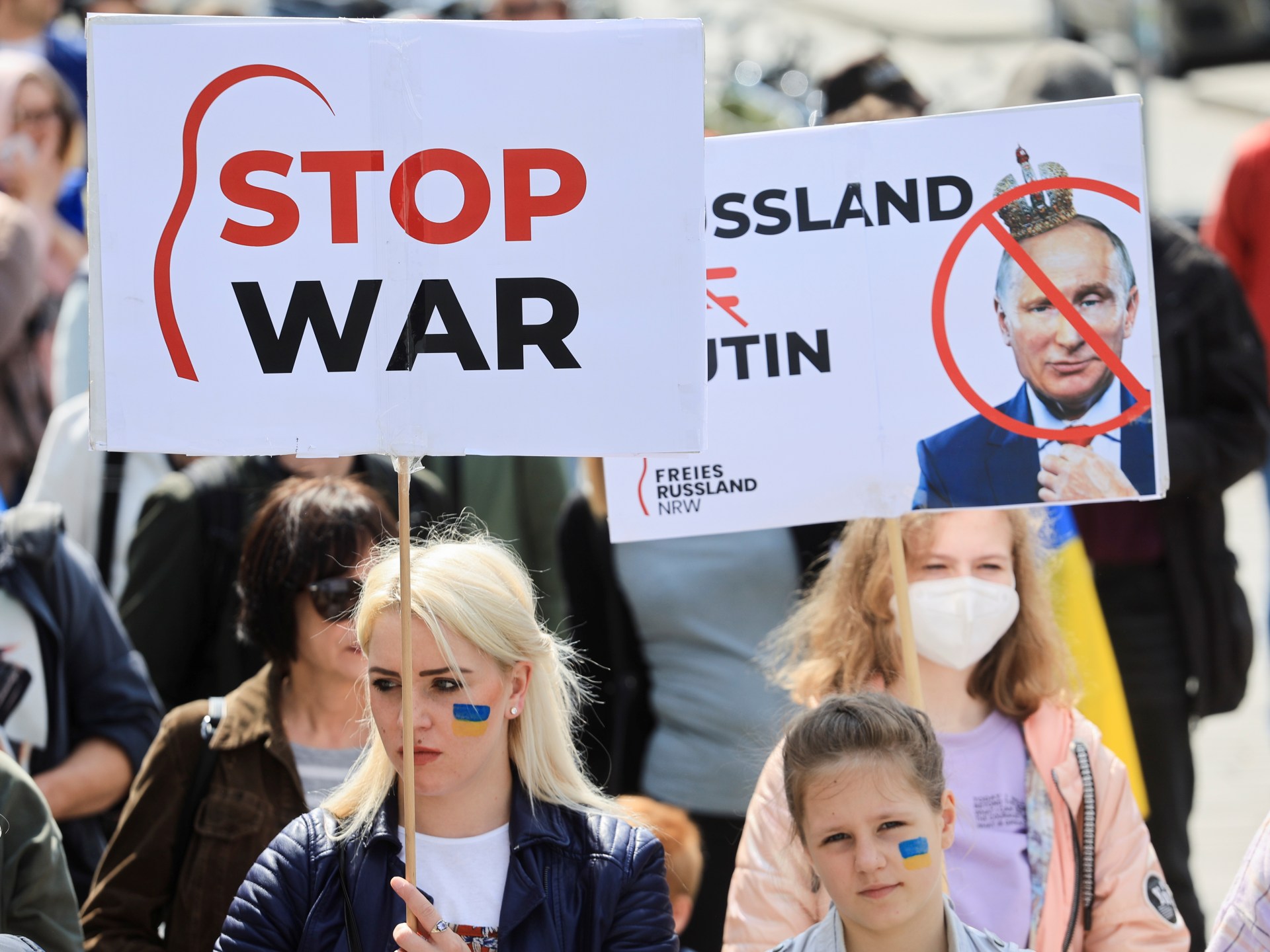
Russian dissidents face mounting legal persecution from two directions simultaneously. President Vladimir Putin recently signed legislation restricting consular services for Russians abroad who oppose his government, preventing thousands from renewing passports and accessing essential services. This action targets individuals convicted of offenses like violating “foreign agent” designations or criticizing the military.
Meanwhile, European nations are making it increasingly difficult for Russian emigres fleeing political persecution to secure legal residency or asylum. Germany, a primary destination for fleeing Russian dissidents, has severely limited humanitarian visa pathways and has begun deporting military deserters to third countries where they face potential imprisonment or forced conscription. Finland has denied over 1,100 asylum applications and deported more than 1,000 Russian citizens since the Ukraine invasion began.
The situation creates a paradox where opponents of Russia’s war are simultaneously stripped of citizenship protections at home while being denied refuge abroad. The new Russian legislation effectively renders dissidents stateless by terminating citizenship without formally revoking it, exploiting a legal loophole that prevents application of international statelessness protections. Over 4,500 people have lost Russian citizenship since October 2023 under these expanded laws.
This represents a return to historical patterns, echoing the mass denationalization of Russians following the 1917 Bolshevik Revolution. Unlike the international community’s previous response—the League of Nations’ Nansen passport system—current governments are failing to establish new mechanisms protecting stateless individuals.
Originally reported by Aljazeera →
About the Author