“`html
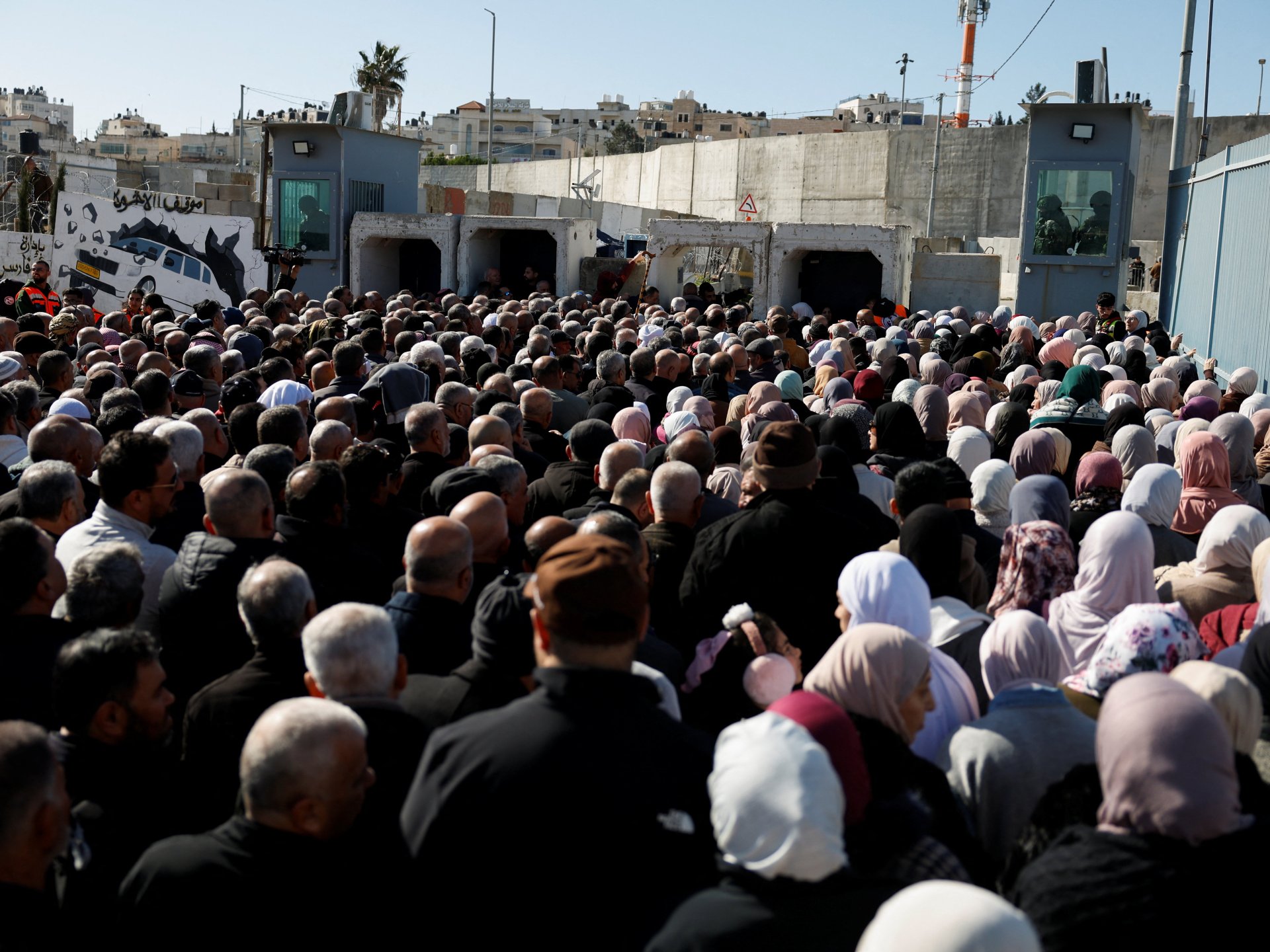
Movement restrictions imposed by Israeli authorities have fundamentally altered the landscape and daily experiences of Palestinians living in the West Bank over the past six decades. What once constituted straightforward travel between neighboring towns has evolved into a complex and time-consuming ordeal, with journeys that previously required 20 to 30 minutes now taking considerably longer due to military checkpoints, settlement expansion, and road barriers.
Israeli restrictions on Palestinian movement take multiple forms, including stationary and mobile army checkpoints, earthen embankments blocking village access roads, remote-controlled steel gates, permit systems for traveling to Jerusalem and Israel, and limitations at border crossings. These obstacles have intensified significantly since October 2023, fragmenting Palestinian society and severely disrupting economic activity. Trade has become increasingly costly as transportation delays cause perishable goods to spoil, while import and export processes face substantial impediments. The restrictions have made Area C, which contains most agricultural lands, increasingly inaccessible due to military no-go zones and settler violence.
The economic consequences are substantial, with Palestinian commerce heavily reliant on trade with Israel and the international community comprising roughly 67 percent of gross domestic product. Before the recent escalation, approximately 193,000 workers from the West Bank and Gaza were employed in Israel or Israeli settlements, contributing 20 to 25 percent to Palestinian GDP. Beyond economic impacts, Palestinians attempting to circumvent restrictions face significant risks, including loss of life and detention.
Despite security justifications provided by Israeli authorities, experts contend that these movement barriers fail to enhance Israel’s security while creating considerable hardship for Palestinian populations and undermining regional economic stability.
“`
Originally reported by Aljazeera →
About the Author