
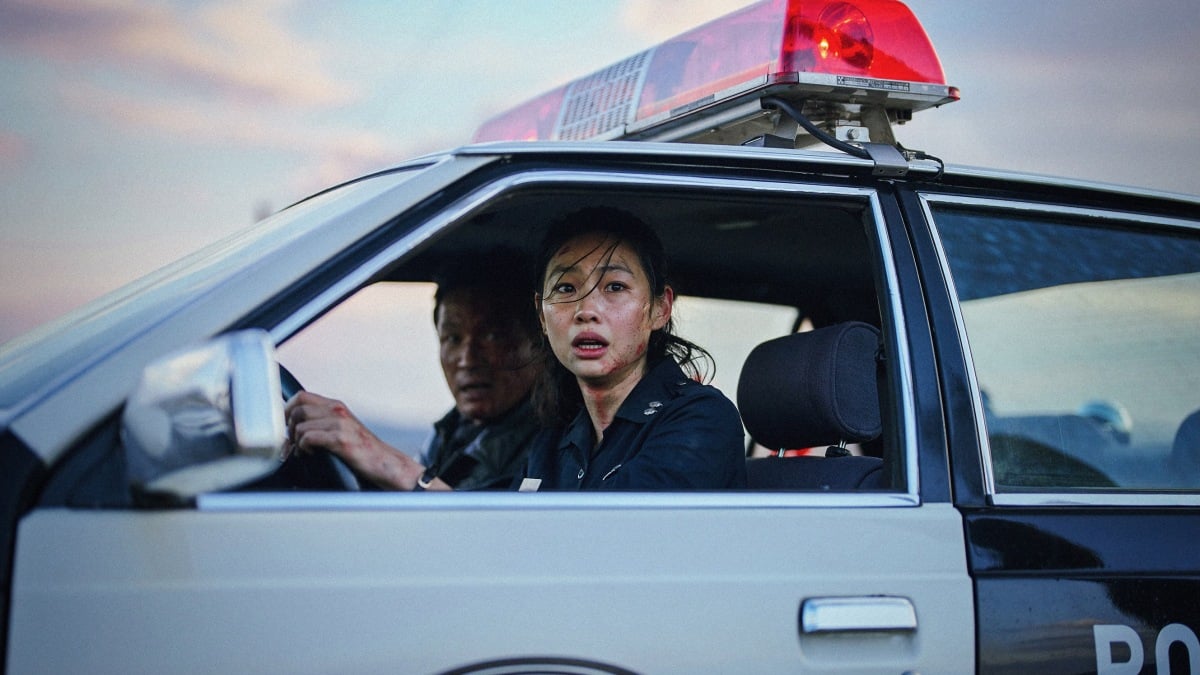
Director Na Hong-jin’s latest film “Hope” delivers a monster thriller that successfully balances visceral action with meaningful social commentary. Set in a remote South Korean village, the story follows police chief Bum-seok and officer Sung-ae as they confront a mysterious creature terrorizing their community. The film demonstrates how to execute ambitious genre filmmaking while maintaining narrative depth and thematic resonance.
Na draws inspiration from classic monster cinema, particularly Steven Spielberg’s “Jaws,” by establishing tension through strategic withholding of the creature’s full reveal. The initial investigation begins with ambiguous clues—mysterious claw marks on livestock—before escalating into full-scale chaos. The director deliberately delays showing the monster for nearly an hour, building anticipation through destruction and panic rather than direct confrontation. This approach generates genuine suspense and allows audience imagination to amplify the threat.
The film’s second half shifts perspective and tone, introducing new characters and unexpected plot revelations that complicate the simple man-versus-monster premise. The action sequences remain thrilling and visually inventive, but the narrative challenges viewers to reconsider their initial assumptions about the conflict. While some scenes feel slightly repetitive and the runtime occasionally indulges its concepts, the pacing maintains momentum throughout.
“Hope” stands as a rare achievement in contemporary monster cinema—accessible entertainment that refuses to sacrifice intelligence or complexity. Na’s creation prioritizes both spectacular set pieces and character-driven storytelling, ultimately delivering a film that entertains while encouraging deeper reflection on its themes.
Originally reported by Mashable →
About the Author