
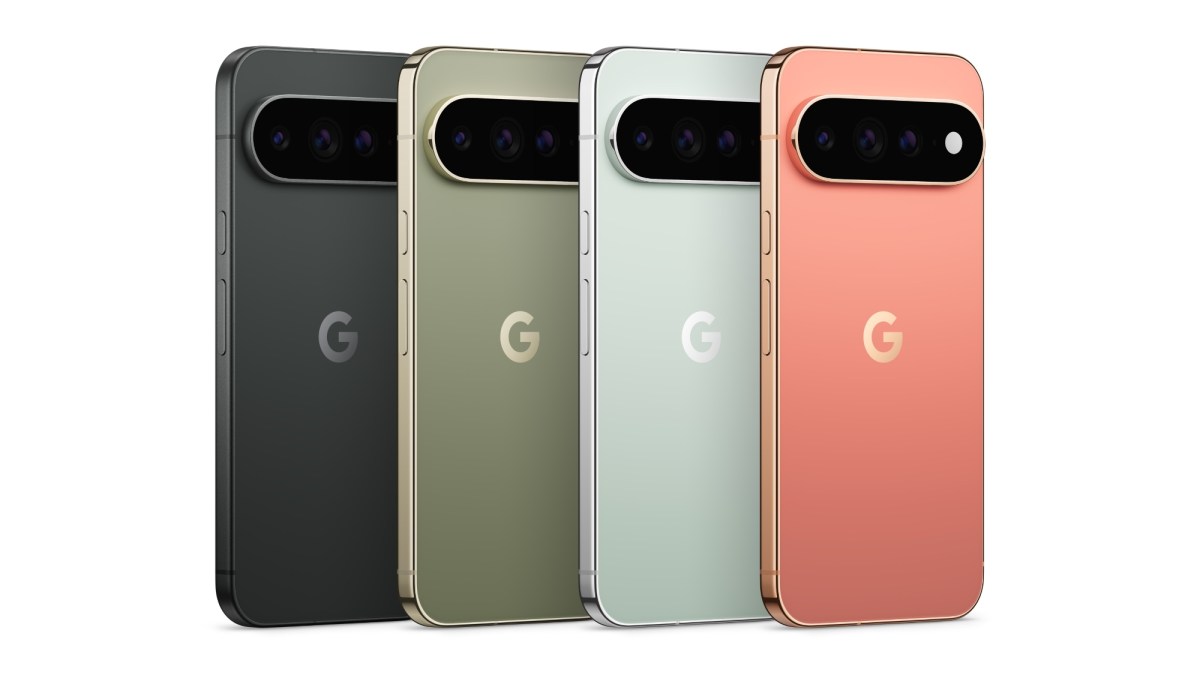
Google has unveiled its Pixel 11 lineup, marking another year where the company prioritizes artificial intelligence enhancements over significant hardware redesigns. The new devices introduce an expanded suite of Gemini-powered features designed to handle tasks autonomously, from ordering groceries and booking transportation to making phone calls on behalf of users for reservations and appointments. The series maintains similar design and internal architecture to its predecessor, continuing a trend established in recent years.
Pricing for the new smartphones begins at $899 for the base Pixel 11 model, representing a $100 increase from the previous generation, though the entry-level storage capacity has doubled to 256GB. The Pixel 11 Pro starts at $1,099, while the Pro XL variant costs $1,299. Beyond AI capabilities, Google has introduced notable camera improvements, including upgraded zoom ranges—120x for Pro models and 30x for the standard device—along with new features like Magic Capture, which automatically selects the best frames from video recordings.
The Pixel 11 series runs Google’s latest Tensor G6 processor, delivering improved power efficiency and faster performance metrics. Additional features include enhanced video capabilities supporting 8K resolution, a transcription tool called Rambler, live translation across multiple content types, and accessibility improvements such as sign language-to-text conversion. An LED indicator on the device’s rear alerts users to notifications from priority contacts or Gemini activity.
Originally reported by Techcrunch →
About the Author