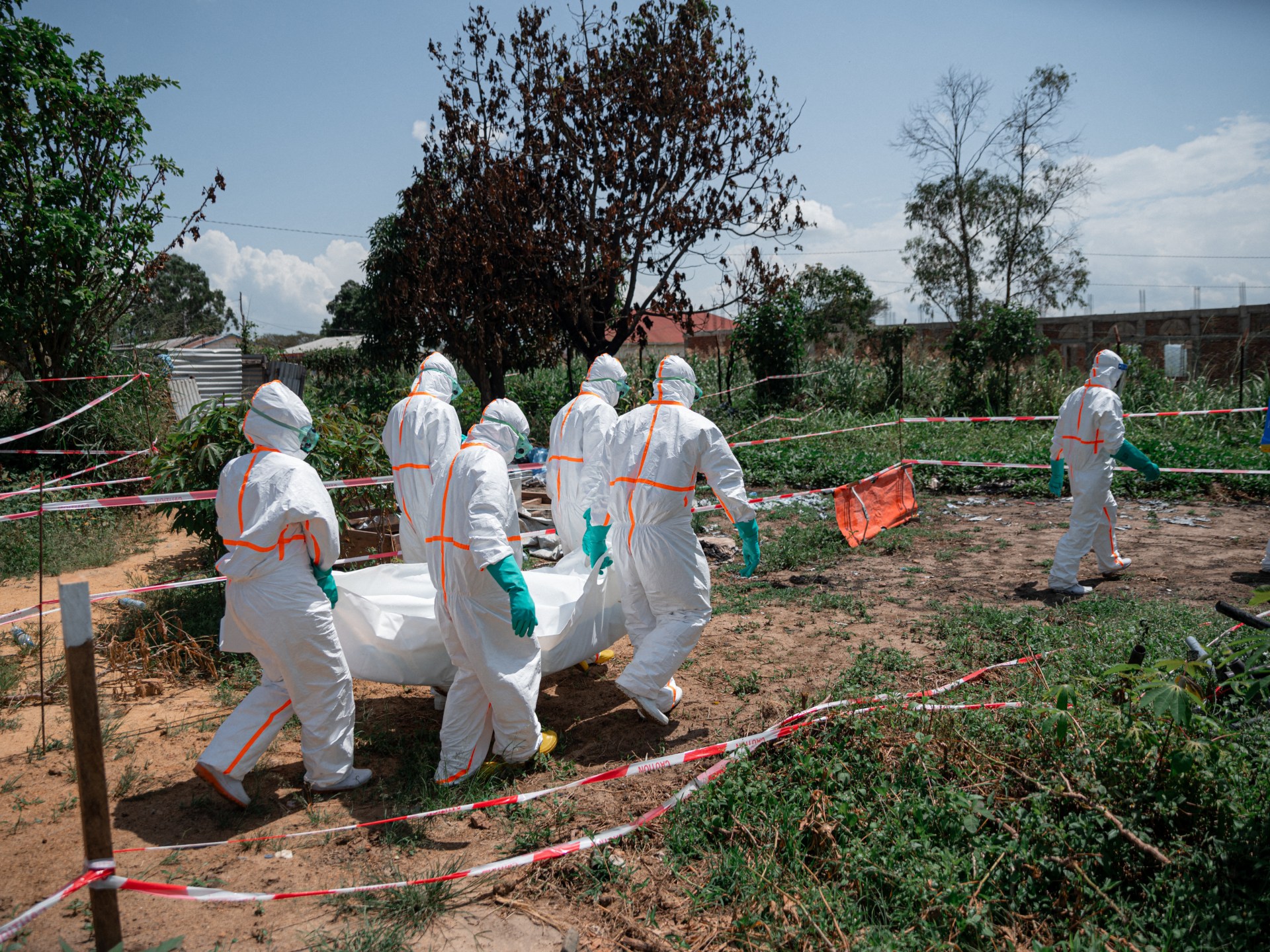
The Democratic Republic of Congo is experiencing its deadliest Ebola outbreak on record, with fatalities now exceeding 2,325 individuals. This grim milestone surpasses the previous record set during the 2018-2020 epidemic, marking a significant escalation in the public health crisis affecting the nation.
As of the latest update, health authorities have confirmed nearly 5,000 infections, including over 100 new cases detected within a single 24-hour period. The outbreak, which represents the country’s 17th such incident since records began, has already established itself as the largest in terms of total case numbers recorded in the DRC.
United Nations humanitarian officials have emphasized the urgency of the situation, characterizing the current epidemic as the fastest-growing outbreak documented to date. The case fatality rate has climbed to 46 percent, meaning that nearly half of those diagnosed do not survive. Experts attribute this alarming trend to delayed diagnoses, as patients are often identified only after seeking treatment in the community or following death.
The Bundibugyo strain responsible for this outbreak currently lacks approved vaccines or treatments, complicating containment efforts. Compounding these challenges are inadequate health infrastructure and regional instability. Health authorities are cautiously exploring experimental vaccines and therapies, though evidence remains limited at this stage.
Originally reported by Aljazeera →
About the Author