An 82-year-old woman in Bologna, Italy, underwent emergency abdominal surgery after presenting with severe intestinal blockage. She had arrived at the hospital experiencing worsening abdominal pain over four days, along with constipation, nausea, and vomiting. Medical imaging revealed a solid obstruction in her small intestine that required immediate surgical intervention to prevent life-threatening complications.
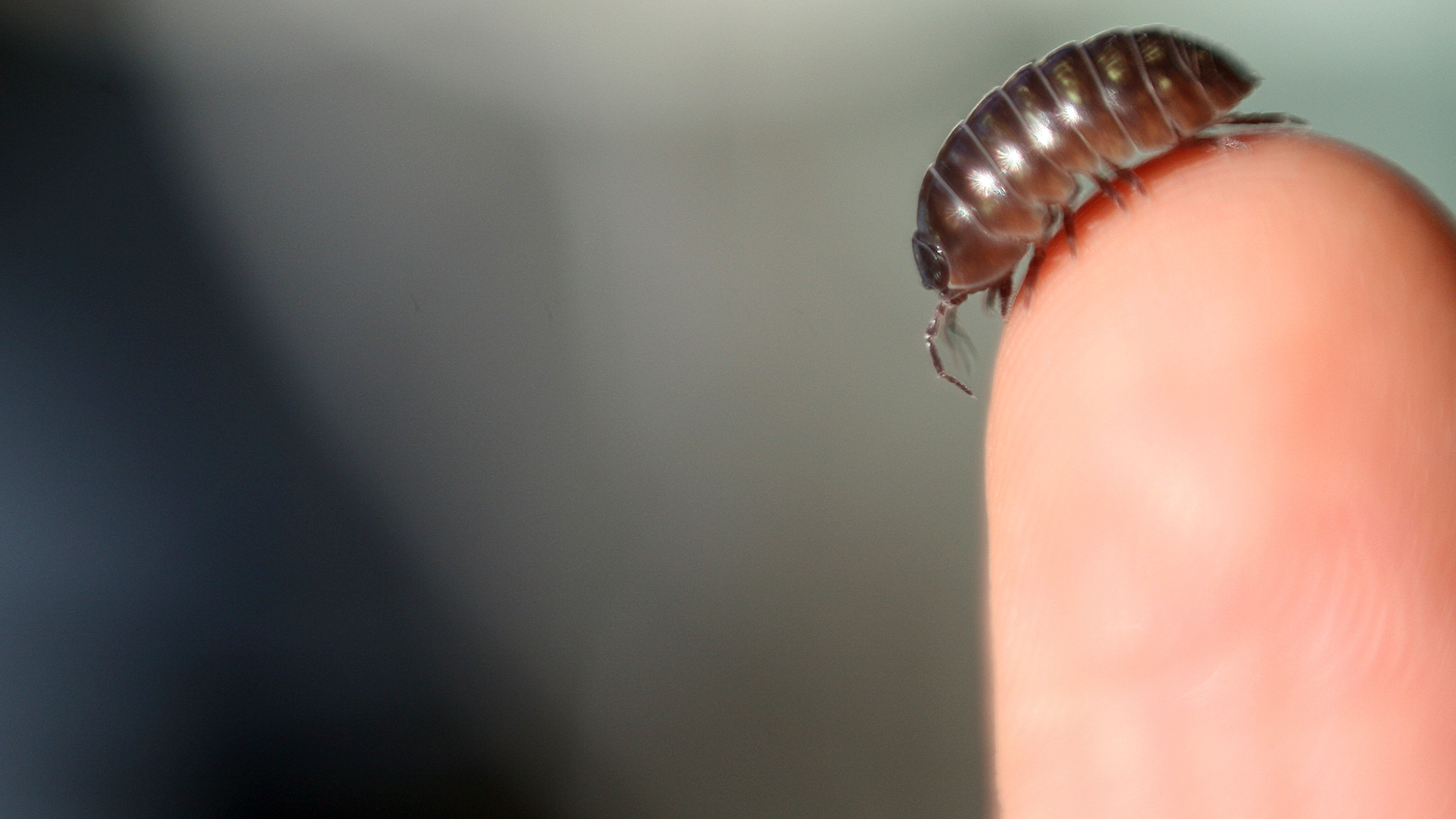
During the surgical procedure, physicians discovered the blockage was caused by a phytobezoar—a mass of compressed plant material measuring just over two inches long. However, the true surprise came when a living arthropod suddenly escaped from the vegetable mass and crawled across the sterile surgical field. Laboratory analysis identified the creature as a terrestrial isopod, a crustacean relative of crabs commonly known as a pill bug, sow bug, or wood louse.
Medical experts hypothesized that the patient had accidentally ingested the isopod while eating unwashed fruits or vegetables. The protective shell of the plant-based bezoar may have kept the arthropod alive inside her digestive system. The woman recovered well from surgery and was transferred to a retirement home, where she remained in good health approximately 18 months after the procedure.
This case remains remarkable because foreign body obstructions account for only about 25 percent of all small bowel blockages. Among patients over 50 years old, other causes such as volvulus are far more common, making this incident an exceptionally unusual medical occurrence.
Originally reported by Livescience →
About the Author