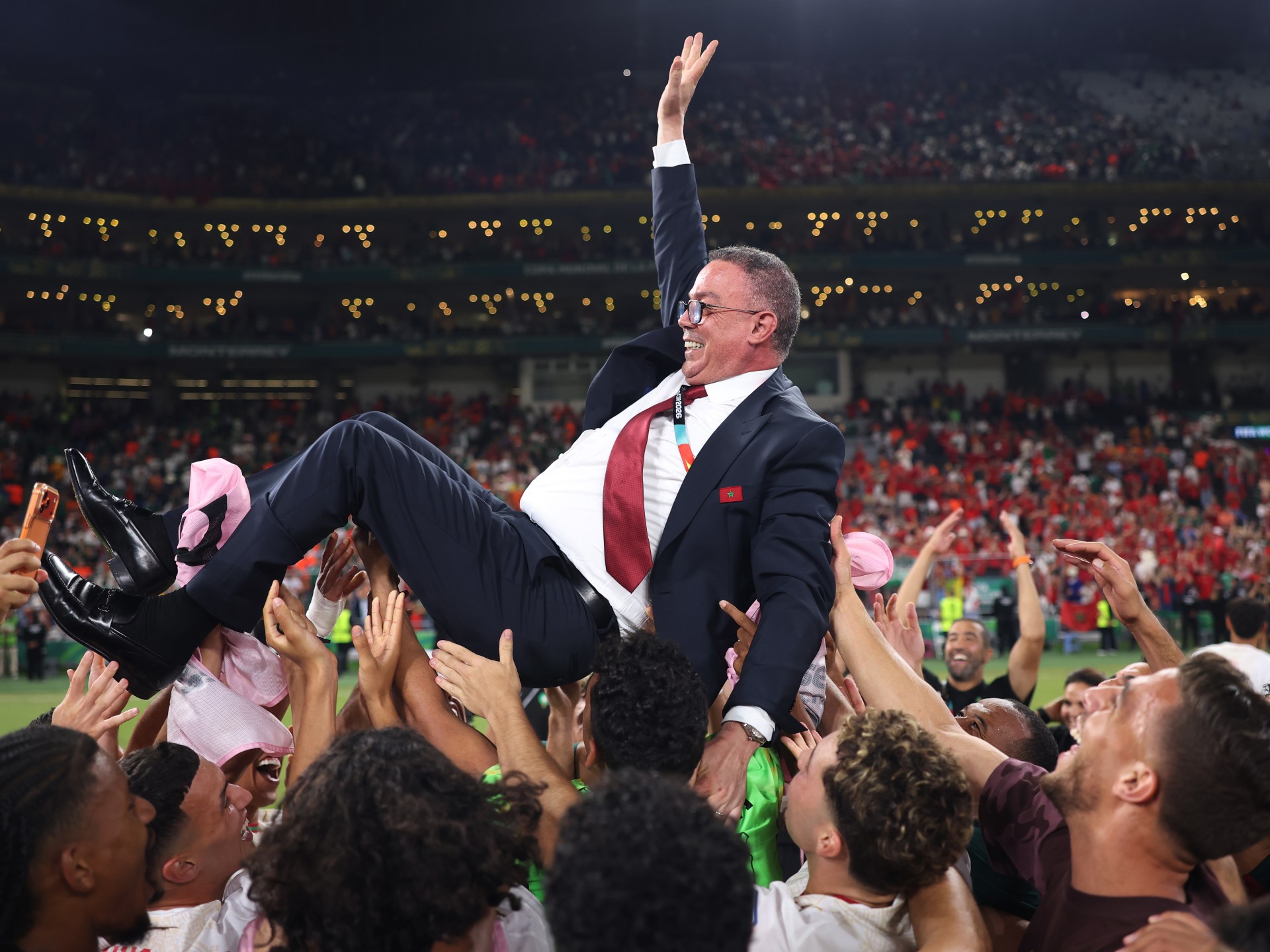
Fouzi Lekjaa, Morocco’s budget minister and head of the Royal Moroccan Football Federation, has sparked significant political discussion by joining the Authenticity and Modernity Party just months before the country’s September 23 parliamentary elections. His entry into partisan politics represents a notable shift in how Moroccan political power is being wielded and discussed among the country’s leadership and public.
Lekjaa’s prominence stems from his dual roles managing public finances and overseeing Morocco’s football transformation, particularly following the national team’s impressive 2022 World Cup semifinal appearance. Constitutional law experts note that while citizens have the right to join political parties, Lekjaa’s simultaneous positions in government and sports administration give his decision particular weight. The timing is especially significant given that Morocco’s next government will oversee preparations for co-hosting the 2030 FIFA World Cup alongside Spain and Portugal, with billions in infrastructure investment planned.
The development reflects broader changes in Moroccan politics, where administrative competence and national achievement increasingly influence political legitimacy. Rather than focusing on party platforms and records, public debate has centered on Lekjaa’s arrival itself, with some suggesting his reputation attracted the party rather than vice versa. This pattern highlights declining voter engagement with traditional party structures, particularly among younger citizens who express political concerns through social media rather than electoral participation.
Originally reported by Aljazeera →
About the Author