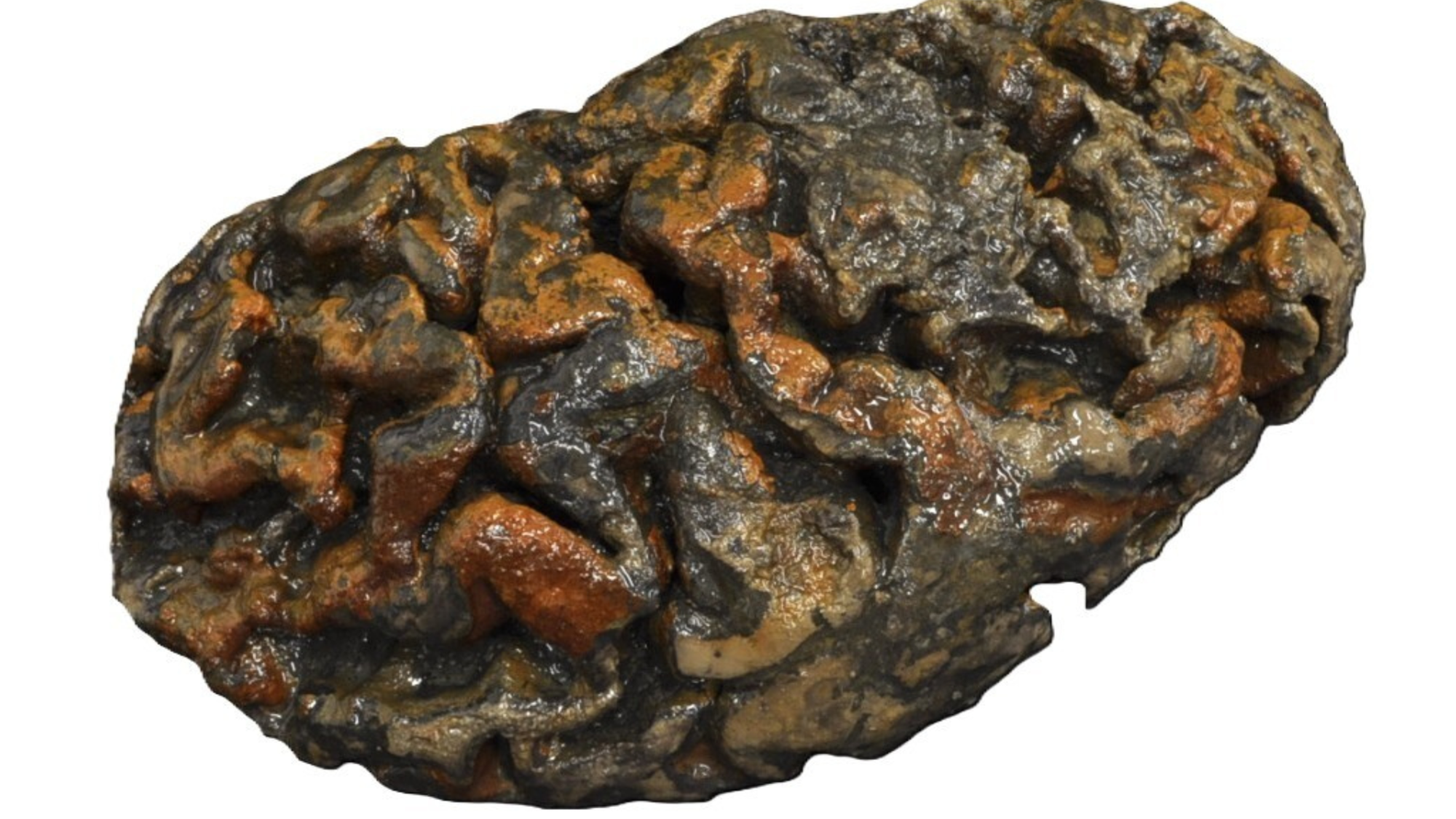
Researchers have identified a chemical mechanism that explains why human brains sometimes remain well-preserved in archaeological sites, even when surrounded by skeletal remains. The discovery addresses a long-standing puzzle that has intrigued scientists for decades, as more than 4,400 preserved brains have been recovered from burial sites spanning the last 12,000 years.
A team led by a paleobiology doctoral researcher at the University of Oxford conducted experiments burying mouse carcasses in various water and oxygen conditions over six months. By analyzing protein decay patterns using advanced mass spectrometry, they discovered that wet, oxygen-poor environments trigger a unique chemical pathway. Rather than causing complete decomposition, these conditions create tough protein structures that resist further breakdown, particularly within brain tissue.
The key factor involves free radicals and oxygen levels. High oxygen exposure causes rapid protein degradation, but in low-oxygen environments, the brain’s unique chemistry creates molecular crosslinks that form protective barriers. Brain tissue appears especially susceptible to this preservation mechanism due to its high metal content, abundant membranes, and the protective skull encasing it.
The findings have implications beyond archaeology. Researchers noted that the molecular signatures of preserved brains resemble patterns observed in neurodegenerative diseases like Alzheimer’s, suggesting that ancient preserved specimens could potentially aid in understanding these modern medical conditions.
Originally reported by Livescience →
About the Author