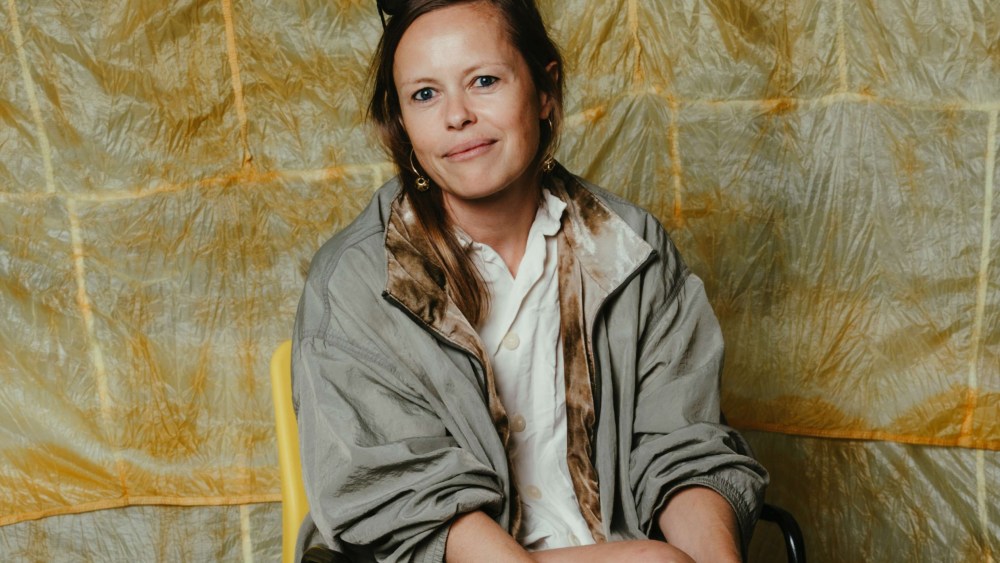
British filmmaker Beatrice Gibson’s feature film debut “At Night” premiered at the Locarno Film Festival, exploring complex themes of motherhood, womanhood, and identity. The film draws inspiration from poet Alice Notley’s feminist work and follows six women navigating Paris during a single night, blending dream sequences, fictional elements, and reality in its narrative structure.
Gibson employs poetry as a central storytelling device, using it in voiceovers, staged performances, and ambient moments to connect her diverse characters. The film centers on the relationship between Bea, a filmmaker, and Didi, a Black single mother, examining the racial and class tensions that strain their bond. Rather than avoiding these uncomfortable dynamics, Gibson deliberately incorporates them into her narrative as essential elements of her exploration.
Shot on grainy analogue film, “At Night” adopts a dreamlike visual quality that emphasizes immediacy and presence. The film also draws from 1970s feminist consciousness-raising sessions, featuring scenes where women openly discuss their experiences of motherhood and sexuality. Gibson describes the work as a “collective autofiction” that expands beyond individual perspective to encompass broader female experiences, deliberately portraying what she terms “midlife revelation” rather than crisis—a life stage rarely represented in cinema.
Originally reported by Variety →
About the Author