Arctic Rivers Are Defying What Scientists Thought They Knew About Erosion
 "We literally expected to see the opposite."
“`html
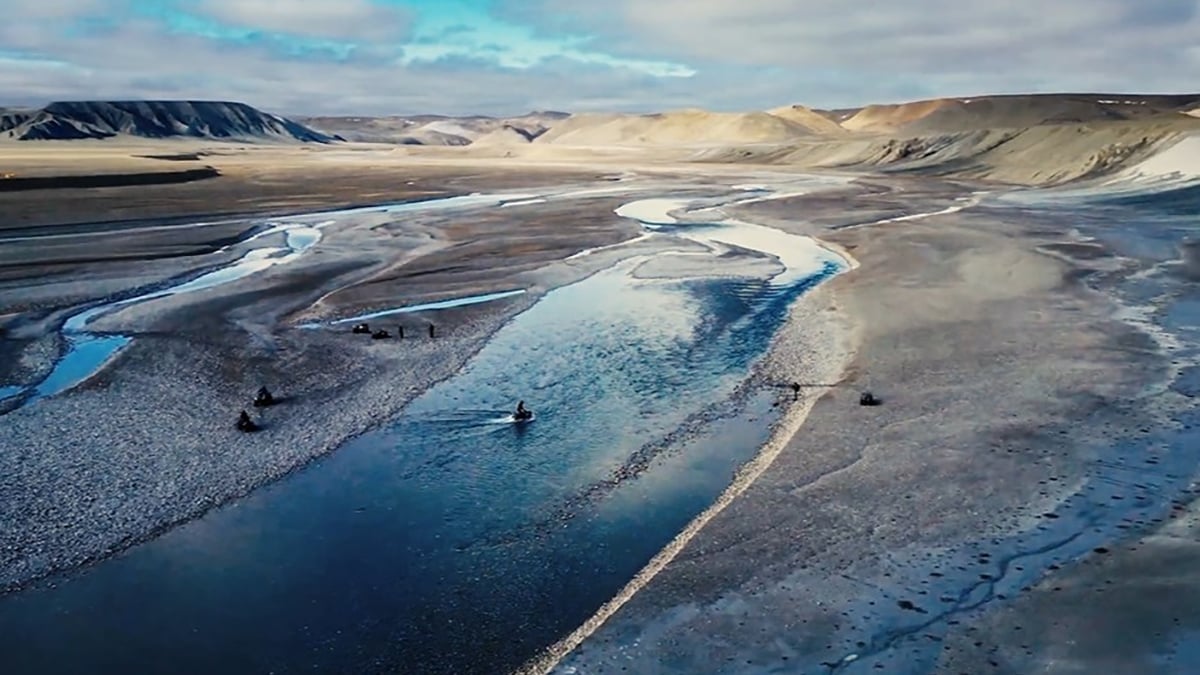
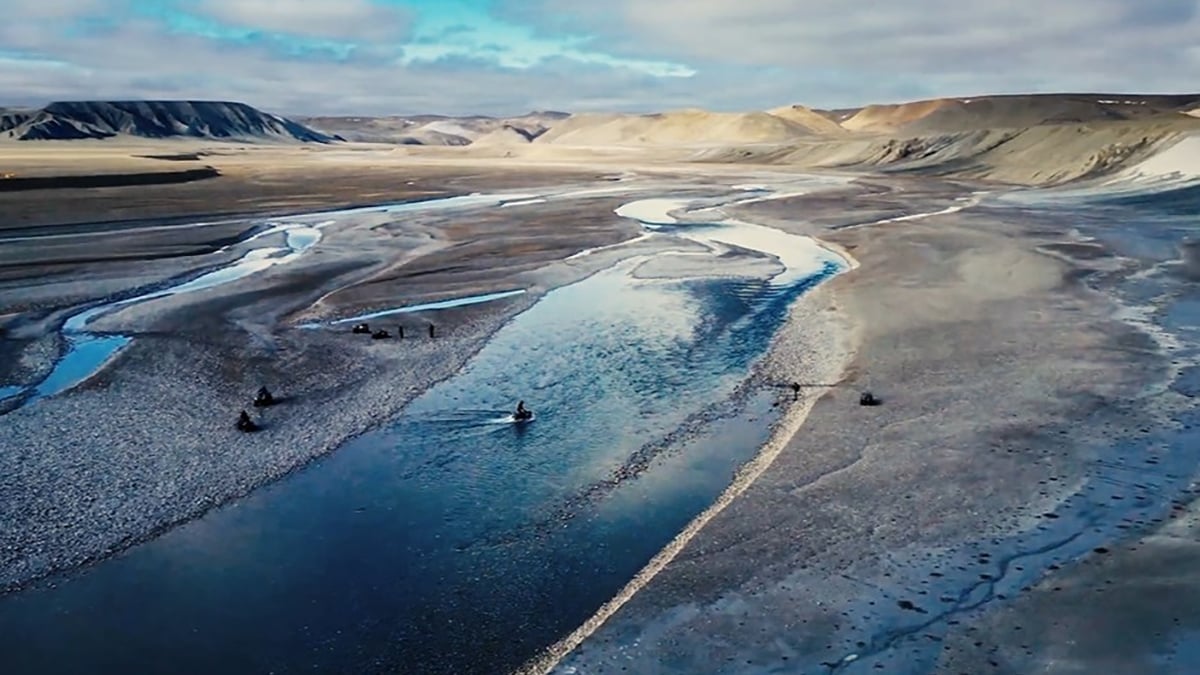
Researchers from Canadian universities have discovered that Arctic rivers erode sediment far more rapidly than previously understood, challenging established scientific assumptions about frozen landscapes. Scientists from Simon Fraser University and the University of British Columbia were studying how permafrost influences river erosion when their findings contradicted their initial predictions. Rather than freezing acting as a protective barrier that slows erosion, the team found that sediment loss occurred at rates approximately ten times higher than in unfrozen environments.
The research combined controlled laboratory experiments with field observations on Devon Island in the Canadian High Arctic. In their experiments, researchers recreated river conditions using a tilted glass channel filled with glass beads to simulate gravel. When they introduced flowing frozen water over sediment beds, the accelerated erosion rates appeared consistently, prompting repeated verification. The team developed mathematical models to interpret their observations and validate the findings across different conditions.
The explanation for this unexpected phenomenon involves the seasonal thawing process. As temperatures rise in spring, a shallow surface layer of sediment melts while deeper permafrost remains frozen. Water cannot penetrate the underlying frozen ground, so it spreads laterally across the thawing layer, carrying significantly more sediment particles. Understanding this mechanism is crucial as climate change continues warming Arctic regions, potentially triggering landscape transformations. The findings underscore gaps in current knowledge about how the Arctic will evolve under warming conditions.
“`
Originally reported by Sciencealert →
About the Author